

Iran war: Saudi Arabia joins US in Iraq strikes, raising regional tensions
Translated from Finnish, summarized and contextualized by DistantNews.
At a glance
News
Named sources
Context piece
- Saudi Arabia and the United States conducted airstrikes against paramilitary Hashed al-Shaab bases in Iraq, escalating regional tensions.
- The strikes targeted groups allied with Iran, which the US claims were directed by Iran's Revolutionary Guard to attack US forces and Saudi energy infrastructure.
- The incident follows recent drone attacks on Saudi oil facilities and Iranian missile launches toward a US base in Jordan, leading to a rapid increase in oil prices.
Tensions flared in the Persian Gulf region as Saudi Arabia joined forces with the United States to launch airstrikes against paramilitary Hashed al-Shaab positions in Iraq.
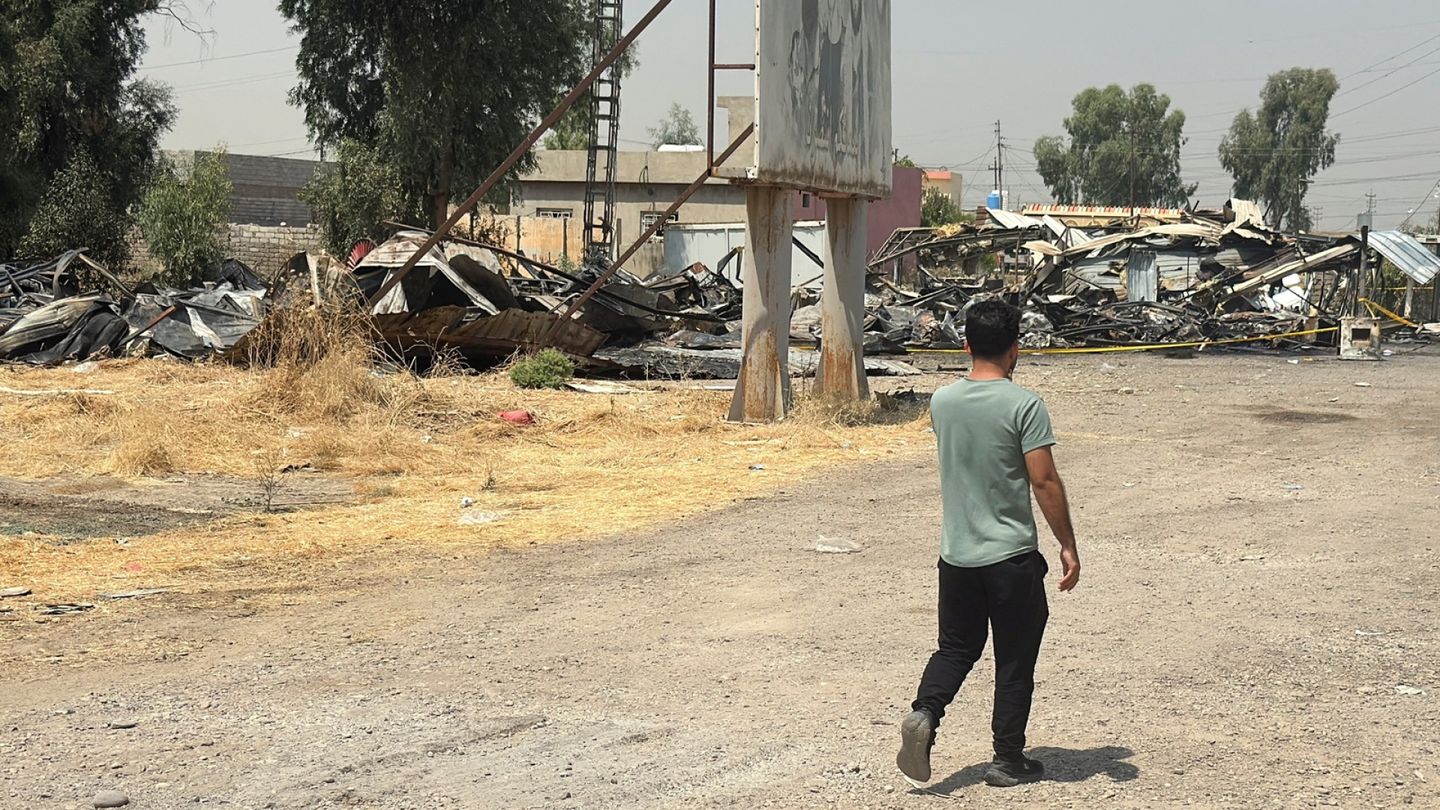
The joint operation, which occurred early Wednesday morning, targeted bases belonging to the Hashed al-Shaab, a coalition of Iran-aligned Shiite groups operating under the umbrella of Iraq's state security forces. According to reports from the BBC, The Guardian, and Al Jazeera, the strikes resulted in at least 20 fighters killed and 32 wounded across multiple provinces in Iraq. AFP reported that several Iranians were among the casualties.
The strikes targeted terrorists allied with Iran, whom the Iranian Revolutionary Guard had directed to attack US forces and Saudi Arabian energy infrastructure.
The US Central Command (Centcom), responsible for military operations in the Middle East, stated that the airstrikes were directed at "terrorists allied with Iran, whom the Iranian Revolutionary Guard had directed to attack US forces and Saudi Arabian energy infrastructure." This assertion frames the action as a direct response to Iranian-backed aggression.
The kingdom announced that it does not seek escalation with the strikes and justifies them with self-defense.
Saudi Arabia defended its actions as self-defense, stating it does not seek escalation. The kingdom had previously accused these groups of drone attacks on its oil facilities in the eastern part of the country and in the Riyadh region earlier in the week. However, the Hashed al-Shaab denied involvement in those attacks, calling the joint US-Saudi strikes a "very serious escalation" and a violation of Iraqi sovereignty.
The airstrikes in Iraq followed a series of recent escalations. Late Tuesday, Iran launched several ballistic missiles targeting a US base in Jordan, which the US reported as successfully intercepted. Iran confirmed these strikes and also claimed to have hit three oil tankers in the Strait of Hormuz. These developments have led to a rapid rise in oil prices, reversing a recent period of relative calm.
They call the strikes 'a very serious escalation' and a violation of Iraq's sovereignty and the country's official security forces.
Experts view the widening conflict with concern. Olli Ruohomäki, a visiting senior fellow at the Finnish Institute of International Affairs, suggested that the June interim agreement between Iran and the US was merely a temporary phase that could spiral out of control. While the perpetrator of the attacks on Saudi Arabia remains unconfirmed, Ruohomäki indicated that the Hashed al-Shaab's involvement in Iraq would not be surprising, stating, "The factory is in Tehran."
The factory is in Tehran.
DistantNews Editorial
Originally published by Helsingin Sanomat in Finnish. Translated, summarized, and contextualized by our editorial team with added local perspective. Read our editorial standards.
More Stories


From Our Blog

What Gets Lost (and Found) When News Is Translated

The Critical Role of Diaspora Media in Global News

What Travellers Should Know About Countries with Restricted Press

A Digital Nomad's Guide to Following Local News

How the Same Story Looks Different in Different Countries
