

Iran warns it will target US warships if they enter Strait of Hormuz via unauthorized routes
Translated from English, summarized and contextualized by DistantNews.
At a glance
News
Named sources
Context piece
- Iran warned it would not permit unauthorized shipping routes through the Strait of Hormuz and would target U.S. warships if necessary.
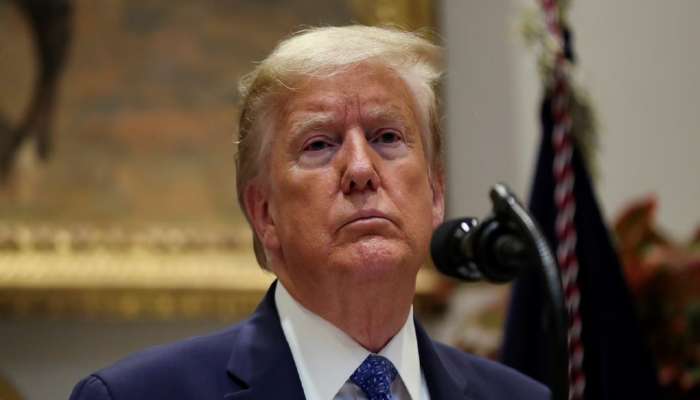
- The warning came from a senior military advisor in response to U.S. President Donald Trump's remarks about reopening the strait.
- Trump had stated that reopening the Strait of Hormuz was the first phase of potential negotiations with Iran, followed by discussions on denuclearization.
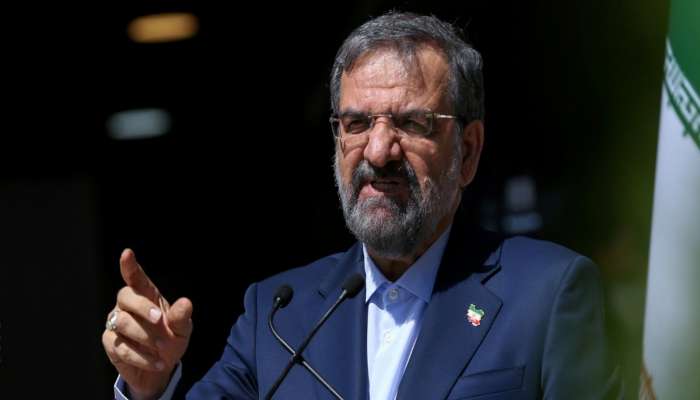
A senior military advisor to Iran's Supreme Leader has issued a stark warning, stating that Tehran will not permit any shipping route through the Strait of Hormuz other than the one it designates. Mohsen Rezaee rejected U.S. President Donald Trump's comments about reopening the strategic waterway, asserting that Iran would not allow unauthorized passage and would even target U.S. warships if they entered the strait via an unapproved route.
The US had accepted Iran's arrangements for the Strait of Hormuz under the (Islamabad) MoU, but later violated the agreement.
Rezaee's remarks, reported by Press TV, directly countered Trump's earlier statements. The U.S. President had indicated that discussions were underway to "completely" reopen the Strait of Hormuz as the first phase of potential negotiations with Iran. Trump also specified that the second phase would focus on Iran's denuclearization.
Even if the US sends warships through an unauthorized route into the Strait of Hormuz, we will target them.
According to Rezaee, the U.S. had previously agreed to Iran's arrangements for the Strait of Hormuz under a Memorandum of Understanding (MoU) but later violated the agreement. He claimed that Iran responded forcefully to this alleged breach, inflicting significant damage on U.S. forces during 17 days of fighting. Rezaee emphasized Iran's possession of missiles and its capability to defend itself, reiterating that any U.S. warship entering the Strait of Hormuz through an unauthorized route would be targeted.
Well, we'll find out today or tomorrow. I mean, they're going to go quickly one way or the other. It's not very complicated. We're talking about the Strait, the opening of the Strait, having it open, literally by tomorrow. Completely open. And that's Phase 1.
Trump had described the ongoing diplomatic engagement as Iran's "last chance" for an agreement. He also alleged that Washington had paused a planned military strike at the request of Saudi Arabia, the United Arab Emirates, Qatar, and Iran to pursue diplomacy. The U.S. President further claimed that Iran had sought negotiations while publicly denying that talks were taking place.
Phase 2 is then we will talk about the nuclear capacity... I think most accurately, the denuclearization of Iran has to happen. Has to happen. That'll be the second phase. But the first phase is the opening of the Strait, the second phase will be the denuclearisation... They cannot have a nuclear weapon. Iran cannot have a nuclear weapon, and I have never changed that position.
DistantNews Editorial
Originally published by Times of Oman in English. Translated, summarized, and contextualized by our editorial team with added local perspective. Read our editorial standards.
More Stories
From Our Blog

What Gets Lost (and Found) When News Is Translated

The Critical Role of Diaspora Media in Global News

What Travellers Should Know About Countries with Restricted Press

A Digital Nomad's Guide to Following Local News

How the Same Story Looks Different in Different Countries
