


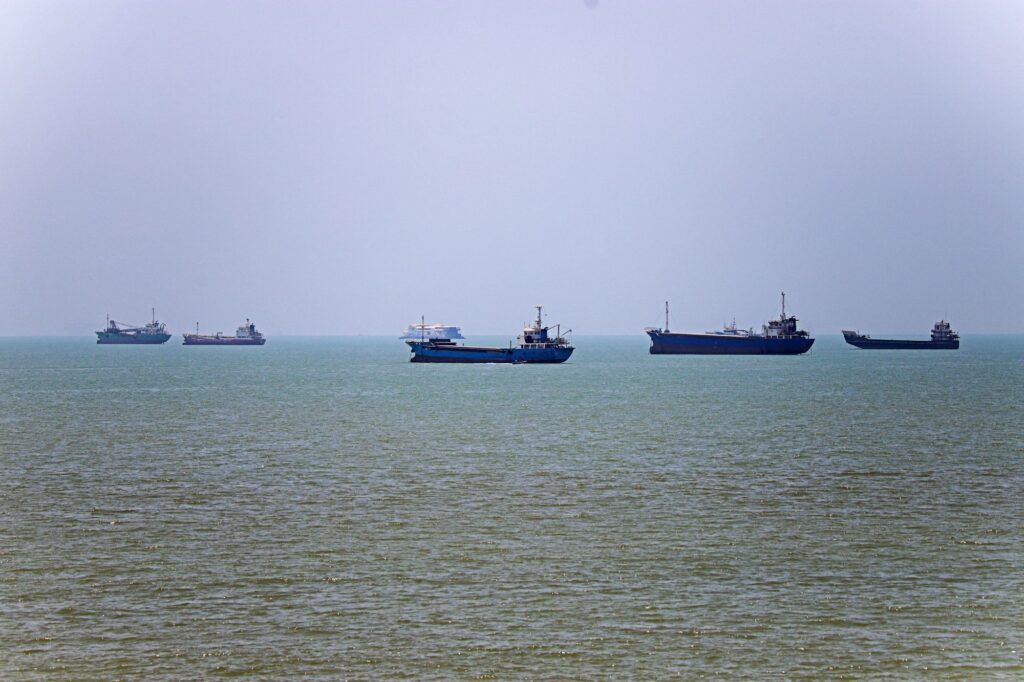
Iran warns oil tankers to use approved routes in Strait of Hormuz or face military response
Translated from Malay, summarized and contextualized by DistantNews.
At a glance
News
Official statement
New plan
- Iran has warned all oil tankers transiting the Strait of Hormuz to use approved shipping lanes or face military retaliation.
- The warning escalates tensions in the vital global energy supply route and was issued amid indirect U.S.-Iran talks in Qatar.
- Iran also cautioned against any U.S. military interference in the Strait, emphasizing its right to control ship movements and potentially impose fees.
Iran has issued a stern warning to all oil tankers navigating the Strait of Hormuz, demanding they adhere to state-approved shipping lanes or face decisive action from its armed forces. This directive, broadcast on Iranian state television, significantly heightens tensions in the crucial waterway for global energy supplies.
The warning comes as U.S. and Iranian diplomats engage in indirect negotiations mediated in Qatar, seeking a resolution to their ongoing conflict. The Iranian military command stated that any vessel failing to comply with the designated routes or Iranian protocols in the Strait would face immediate and firm retaliation, jeopardizing the safety of the offending ships.
Furthermore, Iran cautioned that any U.S. military intervention in the Strait would be met with swift and decisive countermeasures. The Strait of Hormuz, a narrow passage into the Persian Gulf, is a focal point in peace talks due to its critical role in international oil and gas shipments.
The exact trigger for Iran's heightened alert regarding tanker movements remains unclear. However, the U.S. Central Command had previously reported meetings with West Asian officials in Bahrain, where leaders reaffirmed their commitment to ensuring the free flow of commerce through the Strait. This phrase is believed to have provoked Iran's anger. Under a provisional agreement, Iran and the U.S. had allowed ships to pass through the Strait without fees for 60 days. However, Tehran insists on its right to control ship movements and impose charges thereafter, a departure from decades-old practices. The U.S. and most Arab Gulf nations reject Iran's proposal to charge vessels transiting the strait.
DistantNews Editorial
Originally published by Utusan Malaysia in Malay. Translated, summarized, and contextualized by our editorial team with added local perspective. Read our editorial standards.
More Stories

From Our Blog

What Gets Lost (and Found) When News Is Translated

The Critical Role of Diaspora Media in Global News

What Travellers Should Know About Countries with Restricted Press

A Digital Nomad's Guide to Following Local News

How the Same Story Looks Different in Different Countries
