

Is a Damascus-Tel Aviv security agreement possible?
Summarized and contextualized by DistantNews.
At a glance
News
Sources not specified
Context piece
- Israel maintains a policy of occupation, destabilization, and coercion in Syria, particularly in the south.
- The article questions the possibility of a security agreement between Damascus and Tel Aviv under these conditions.
- Israel's actions aim to solidify its occupation and influence in southern Syria.
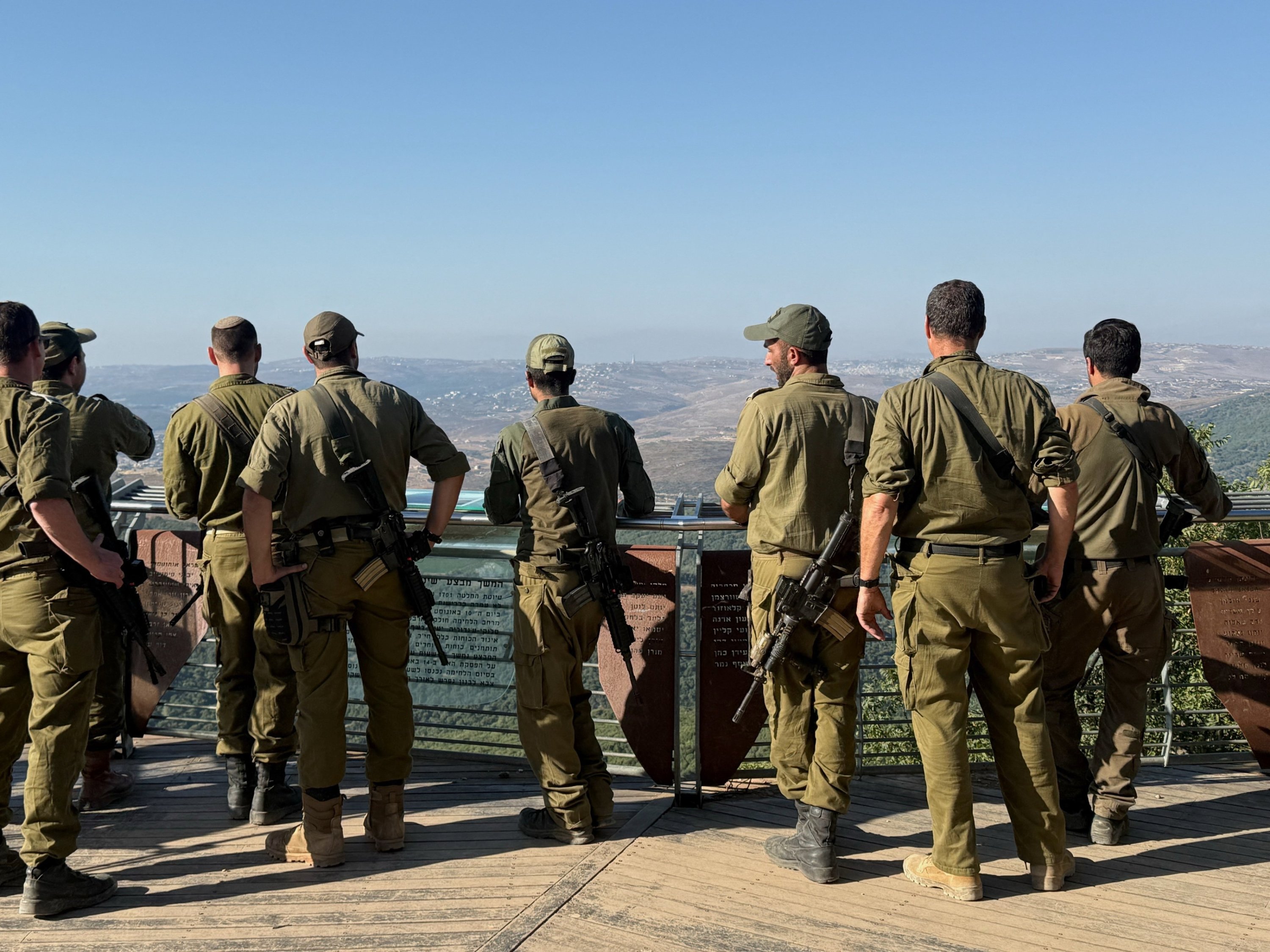
Israel's policy toward Syria is characterized by occupation, destabilization, and coercion, with efforts to entrench this occupation most evident in southern Syria. The article questions whether a security agreement between Damascus and Tel Aviv is feasible given Israel's entrenched presence and actions.
Israel's strategy in Syria focuses on maintaining control and preventing any resurgence of threats. This approach involves a multi-pronged effort to secure its northern border and limit Iranian influence in the region. The occupation of Syrian territory is a key component of this strategy, aimed at creating buffer zones and asserting dominance.
Destabilization tactics are employed to weaken Syrian government control and any potential opposition that could pose a threat to Israeli interests. Coercive measures are used to enforce compliance and deter any actions that challenge Israel's objectives. These policies collectively aim to reshape the security landscape in southern Syria to Israel's advantage.
DistantNews Editorial
Originally published by Daily Sabah. Summarized and contextualized by our editorial team with added local perspective. Read our editorial standards.
More Stories


From Our Blog

What Gets Lost (and Found) When News Is Translated

The Critical Role of Diaspora Media in Global News

What Travellers Should Know About Countries with Restricted Press

A Digital Nomad's Guide to Following Local News

How the Same Story Looks Different in Different Countries
