


Is a last-minute promotion fair?
Translated from Malay, summarized and contextualized by DistantNews.
At a glance
Analysis
Sources not specified
Context piece
- The practice of granting temporary promotions ('pangkat memangku') shortly before retirement in Malaysia's civil service raises concerns.
- While such promotions offer a temporary allowance, they do not increase the final pension, which is based on the substantive last-drawn salary, creating a financial imbalance.
- This 'strawberry rank' phenomenon can also negatively impact departmental effectiveness and the motivation of younger civil servants.
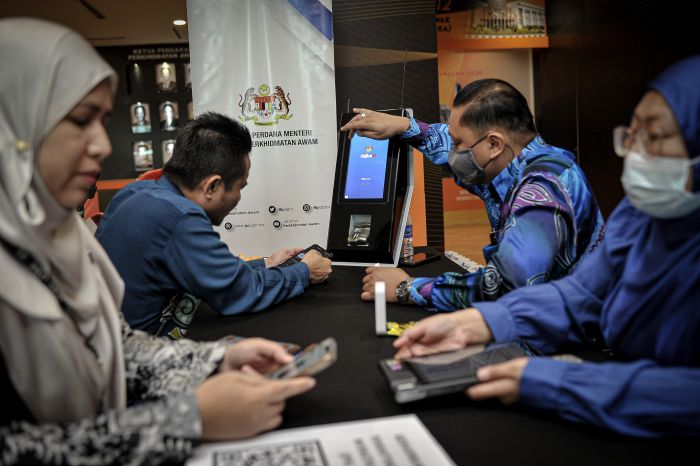
In Malaysia's civil service, promotions are typically seen as the pinnacle of recognition for an employee's sacrifice and service. However, when these promotions are granted on a temporary basis ('pangkat memangku') less than a year before retirement, they spark significant questions beyond mere congratulations.
Financially, officers in such situations do not reap long-term benefits. Civil servant pensions are calculated based on the substantive last-drawn salary before retirement. Since a temporary promotion does not alter the substantive salary scale, the monthly pension amount remains unchanged, based on the original grade. Officers receive only a temporary allowance for a brief period, despite shouldering increased responsibilities aligned with a higher position. This creates an imbalance where workload escalates without commensurate long-term rewards.
This practice has been colloquially termed 'strawberry rank' – appearing sweet at the end of one's service but offering no meaningful impact after retirement. Furthermore, late-stage promotions can affect departmental efficiency. Officers temporarily holding top positions for short durations may lack sufficient time to formulate policies, implement improvements, or ensure a structured leadership succession. This can lead to stalled plans and uncertainty for subordinates regarding management direction, often followed by the position being filled by a new appointee. The practice also incurs costs through allowances without optimal work returns.
This situation also impacts the motivation of other civil servants. When promotions are perceived as symbolic gestures at the end of a career, younger employees might feel their long-term efforts and performance are undervalued. Over time, this could erode a culture of excellence, replacing it with a minimum-effort mentality, ultimately diminishing the overall quality of public service delivery.
Therefore, it is suggested that temporary promotions be considered much earlier, at least two to three years before mandatory retirement. This extended period would allow officers to make more meaningful contributions and enable departments to leverage their experience and leadership more effectively. The article originates from Utusan Sakti, Bagan Datuk, Perak.
DistantNews Editorial
Originally published by Utusan Malaysia in Malay. Translated, summarized, and contextualized by our editorial team with added local perspective. Read our editorial standards.
More Stories


From Our Blog

What Gets Lost (and Found) When News Is Translated

The Critical Role of Diaspora Media in Global News

What Travellers Should Know About Countries with Restricted Press

A Digital Nomad's Guide to Following Local News

How the Same Story Looks Different in Different Countries
