


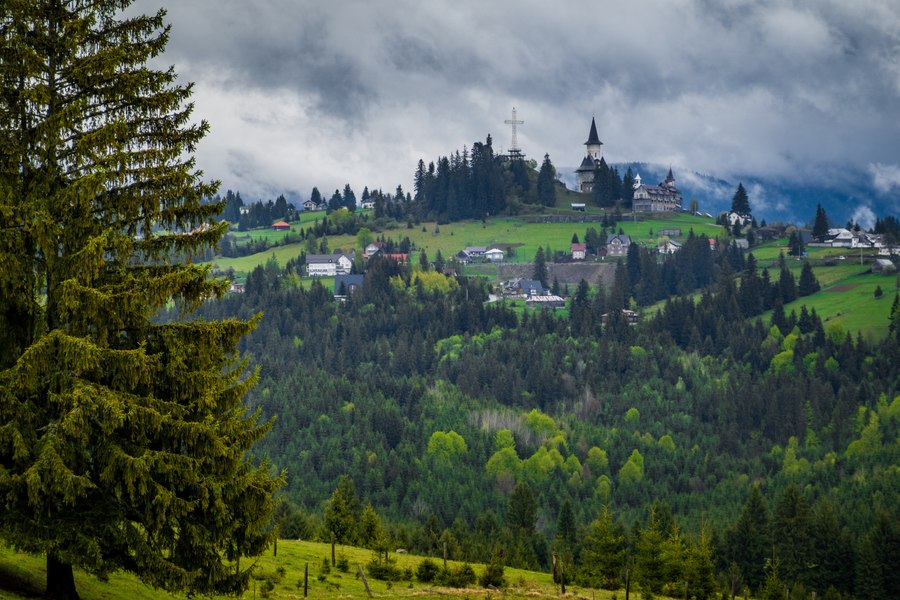
Is heritage the recipe for success in Romanian villages? Experts say restoration needs community buy-in
Translated from Romanian, summarized and contextualized by DistantNews.
At a glance
In-depth
Sources not specified
Context piece
- Romanian villages are attracting tourists with their traditional architecture, crafts, and cuisine, drawing on their Saxon heritage and rural lifestyle.
- Experts emphasize that preserving heritage requires more than just restoring buildings; it necessitates building local economies where traditions and crafts can thrive as professions.
- NGOs like Fundația Mihai Eminescu Trust and Asociația Monumentum have led successful restoration projects, highlighting the importance of community involvement and sustainable development for rural revitalization.
Romanian villages are increasingly becoming sought-after destinations, captivating visitors with their well-preserved Saxon houses, Maramureș farmsteads, carved gates, traditional crafts, and local cuisine. This rural charm offers a stark contrast to urban life and highly mechanized food production, transporting visitors to a storybook world that is a genuine tourist treasure.
However, behind the picturesque scenes lies a complex reality. While heritage sites are being restored, many communities are facing depopulation, and the very essence of village life is at risk. Specialists argue that the true salvation of these villages lies not only in the meticulous restoration of buildings but in fostering local economies where traditions, gastronomy, and crafts can once again become viable professions.
Inspired partly by the appreciation shown by figures like King Charles III for the Saxon villages of Transylvania, Romanians are gradually shifting their perspective on rural life. This change is largely driven by passionate individuals and non-governmental organizations. Groups such as Fundația Mihai Eminescu Trust have undertaken over 1,300 restoration projects, including the UNESCO World Heritage site of Viscri and the fortified church at Alma Vii, which received unprecedented European recognition. Similarly, Asociația Monumentum's "Ambulance for Monuments" project has saved over 100 heritage sites, including wooden churches and citadels, and initiated the "Map of Blue Houses" project to document old dwellings.
DistantNews Editorial
Originally published by Adevărul in Romanian. Translated, summarized, and contextualized by our editorial team with added local perspective. Read our editorial standards.
More Stories


From Our Blog

What Gets Lost (and Found) When News Is Translated

The Critical Role of Diaspora Media in Global News

What Travellers Should Know About Countries with Restricted Press

A Digital Nomad's Guide to Following Local News

How the Same Story Looks Different in Different Countries
