

Is oil stable despite the loss of 18 Russian refining capacities?
Summarized and contextualized by DistantNews.
At a glance
Analysis
Sources not specified
Context piece
- Europe faces potential supply shortages as Ukrainian attacks disrupt Russian oil refining capacity, leading to the loss of over 18 facilities.
- The disruption forces Europe to seek alternative suppliers, primarily from the Arabian Gulf, while the US also seeks oil amid its own consumption and imports.
- Oil prices may stabilize or slightly recover, but the market remains vulnerable to future crises, with a potential rise in prices as winter approaches.
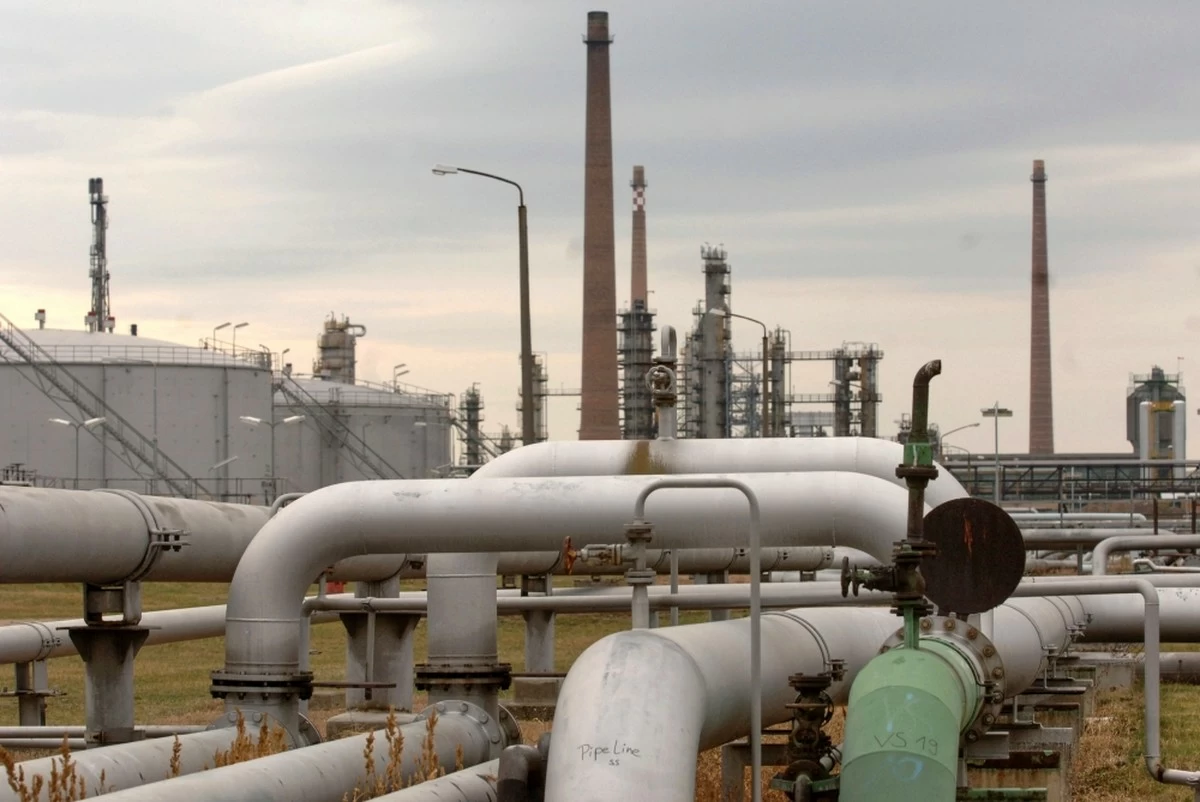
Europe's energy landscape faces significant disruption as Ukrainian attacks on Russian oil installations lead to the loss of over 18 refining capacities, jeopardizing Russia's role as a reliable supplier to the continent. This situation compels Europe to explore alternative sources, primarily from the Arabian Gulf, while simultaneously navigating the complexities of global oil markets.
The ongoing attacks are forcing a restructuring of supply chains, pushing Europe to alter its traditional sources. The Arabian Gulf emerges as a critical alternative, serving as a vital transit route for over 20 million barrels of oil daily. However, potential disruptions in this region could lead to critical global supply shortages. The United States, despite being a major producer, also relies on imported oil, including from Venezuela, and is actively seeking additional supply sources, underscoring the interconnectedness of global energy needs.
Analysts suggest that oil prices might stabilize or even see a slight recovery, potentially returning to a range of $75-$80 per barrel. This outlook assumes that leading oil suppliers can absorb the damage from any closures and that major importers can replenish their strategic reserves. However, the market's stability remains precarious, highly susceptible to future crises or disruptions.
The real challenge lies in the global market's reaction to unforeseen events. While prices for Russian oil may decrease, the loss of its refining capacity and petroleum products, coupled with potential instability in the Arabian Gulf, could lead to price increases as winter approaches and demand for stockpiling rises. The long-term prospect of replacing oil remains largely theoretical, with major oil companies acknowledging the reality of global oil market dynamics.
DistantNews Editorial
Originally published by Arab Times. Summarized and contextualized by our editorial team with added local perspective. Read our editorial standards.
More Stories


From Our Blog

What Gets Lost (and Found) When News Is Translated

The Critical Role of Diaspora Media in Global News

What Travellers Should Know About Countries with Restricted Press

A Digital Nomad's Guide to Following Local News

How the Same Story Looks Different in Different Countries
