

Is turmeric really good for health?
Translated from Turkish, summarized and contextualized by DistantNews.
At a glance
News
Named sources
Context piece
- Turmeric, a beloved spice used for 2,500 years, is believed in South Asia to have antiseptic and anti-inflammatory properties, offering comfort and nostalgia.
- Western interest in turmeric and its compound curcumin, marketed for health benefits like immune support, has surged, partly due to social media testimonials.
- However, some experts, like chemist Dr. Kathryn Nelson, question turmeric's benefits, citing its complex chemical structure and poor absorption, suggesting it may not deliver on its purported health claims.
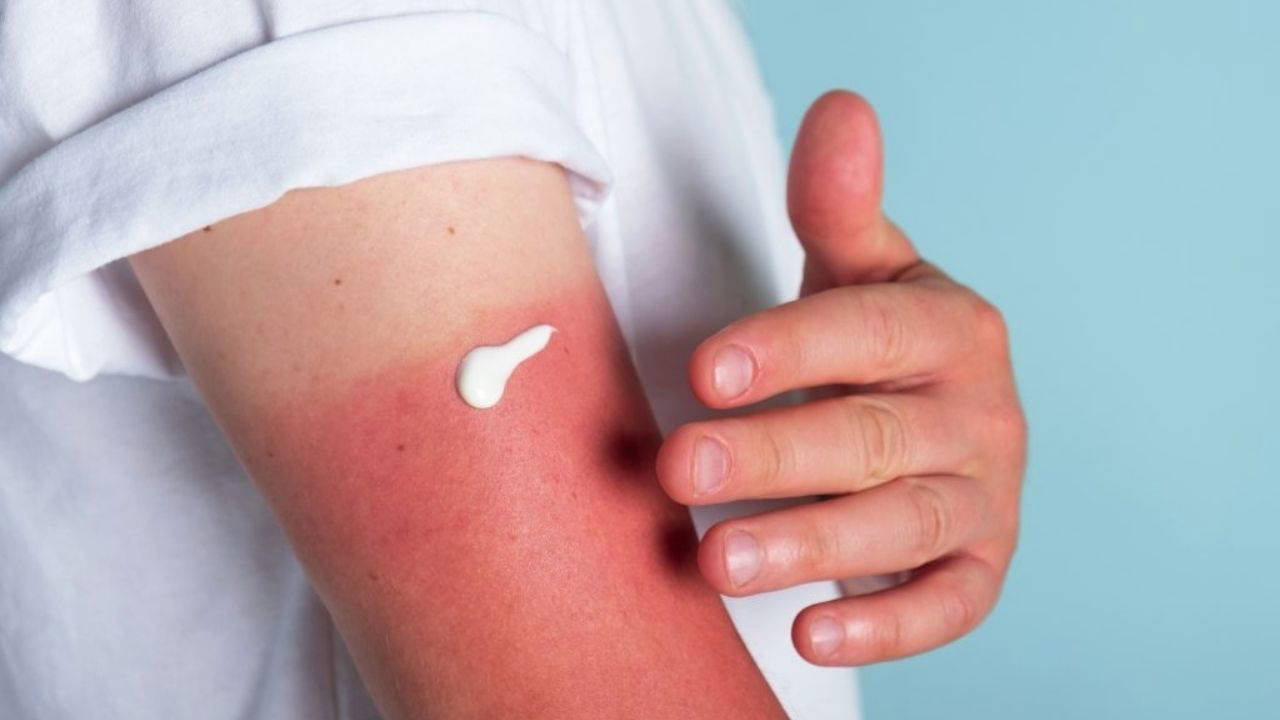
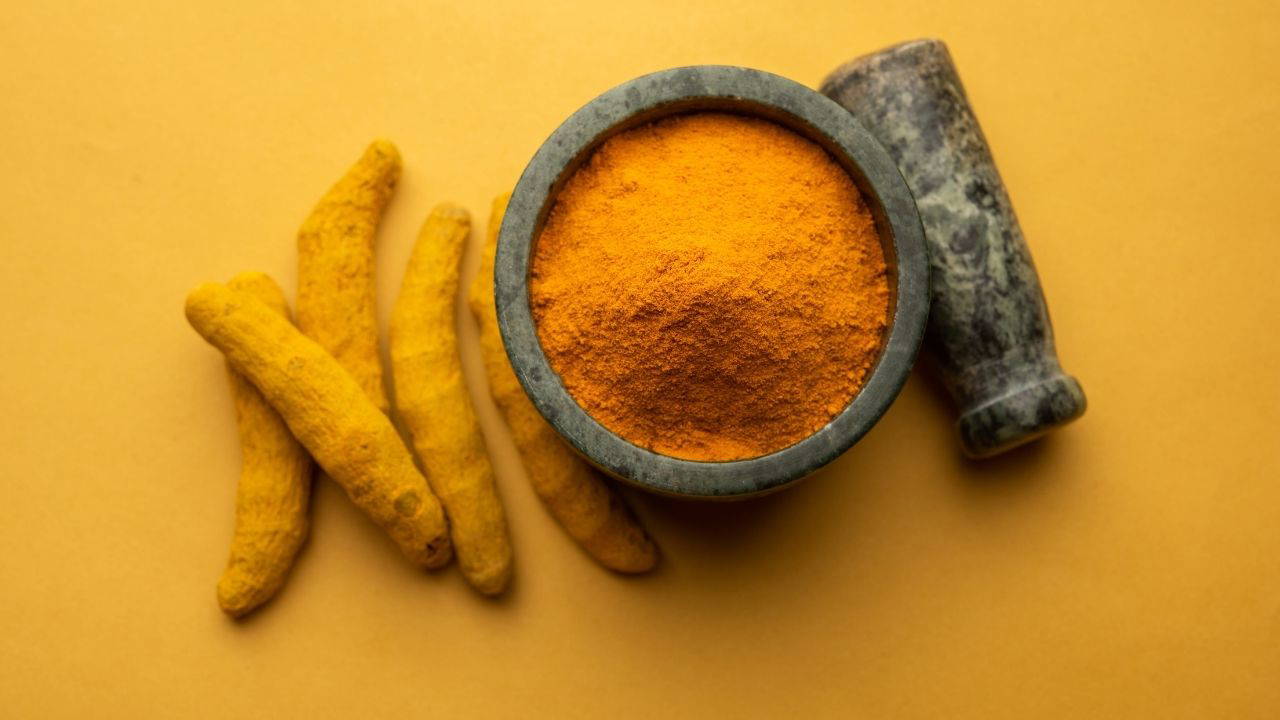
Turmeric, a spice cherished for millennia and a staple in South Asian cuisine, is increasingly capturing global attention for its purported health benefits. Food researcher Ragini Kashyap, whose family hails from Punjab, notes that turmeric is indispensable in her cooking and has been mentioned in texts dating back 2,500 years. In South Asia, it's traditionally revered for antiseptic and anti-inflammatory qualities, providing comfort and a sense of nostalgia for many, including Kashyap, who turns to it when feeling unwell.
The spice's popularity has spread globally, reaching Pacific and Caribbean islands through diaspora communities. In India, turmeric plays a role in pre-wedding rituals like the Haldi ceremony, where it's used in a paste for beautification. Today, this ancient spice is experiencing a sales boom, driven by Western consumers' interest in its traditional claims. Turmeric is rich in curcumin, a compound widely marketed for supporting bone and joint health and boosting the immune system, with many positive experiences shared on social media fueling its rise.
However, skepticism surrounds turmeric's widespread health claims. Chemist Dr. Kathryn Nelson, after reviewing over 100 research papers on curcumin, suggests that despite ambitious claims, it may achieve little. She points to turmeric's complex and highly reactive chemical composition, which can create misleading effects in tests, making it appear effective when it might not be. Dr. Nelson highlights that very little curcumin is absorbed into the bloodstream when taken orally, and many people consume it with black pepper to improve absorption. She describes its chemical structure as "one of the worst chemical structures" for producing a beneficial drug.
Despite decades of research, the definitive scientific backing for many of turmeric's widely promoted health benefits remains debated. While cultural traditions and anecdotal evidence highlight its perceived value, rigorous scientific validation continues to be a complex challenge due to the spice's intricate chemistry.
İddialar her şeyi yapabileceği yönünde, ama gerçekte muhtemelen neredeyse hiçbir şey yapmıyor.
DistantNews Editorial
Originally published by Cumhuriyet in Turkish. Translated, summarized, and contextualized by our editorial team with added local perspective. Read our editorial standards.
More Stories



From Our Blog

What Gets Lost (and Found) When News Is Translated

The Critical Role of Diaspora Media in Global News

What Travellers Should Know About Countries with Restricted Press

A Digital Nomad's Guide to Following Local News

How the Same Story Looks Different in Different Countries
