

Islamabad at Center of Fragile US-Iran Talks as War Timeline Shifts
Translated from English, summarized and contextualized by DistantNews.
TLDR
- Vice President JD Vance is expected in Islamabad for US-Iran talks, but Iran's confirmation is pending.
- Tensions in the Strait of Hormuz and disruptions to shipping have escalated, with Tehran responding to US maritime pressure.
- Analysts question the endgame of US policy, while Pakistan's role as a facilitator is appreciated.
As Pakistan's premier English-language newspaper, Dawn, we observe the intricate dance of international diplomacy unfolding on our soil. The shifting timelines from Washington regarding the end of the war with Iran, moving from 'days' to 'soon,' highlight the volatile nature of these negotiations. Our focus remains steadfastly on Islamabad, the crucial hub for these fragile diplomatic expectations.
Vice President JD Vance is expected to travel to Islamabad on Tuesday for the next round of talks, but the US media caution that the visit remains contingent on Iran’s confirmation of participation.
Vice President Vance's anticipated visit underscores Pakistan's pivotal role as a host and facilitator. We are preparing for a high-level engagement, yet the situation remains fluid. The escalating tensions in the Strait of Hormuz, marked by shipping disruptions and the seizure of an Iranian-linked vessel, cast a long shadow over these diplomatic efforts. Tehran's increased maritime pressure and Washington's insistence on maintaining its blockade until a broader agreement is reached create a precarious backdrop.
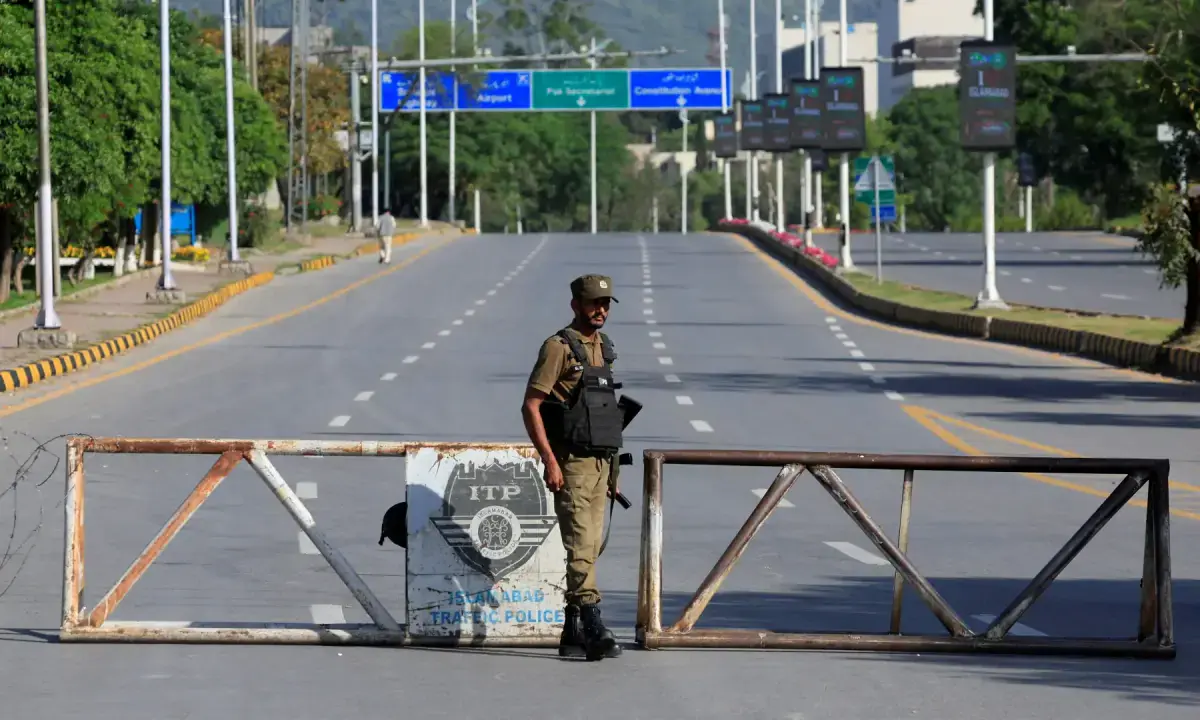
Preparations are underway in Islamabad for a possible high-level diplomatic engagement, though the situation continues to shift rapidly.
The energy markets' sharp reaction, with oil prices spiking and then easing, reflects the global anticipation surrounding these talks. However, analysts, as noted in the article, question the clarity of the US endgame. This uncertainty is amplified by the trust deficit between the US and Iran, as described by scholar Vali Nasr. His insights into the 'gradual escalation' and the misrepresentation of negotiations by US statements paint a concerning picture, fueling skepticism in Tehran about the meaningfulness of talks in Islamabad.
Pakistan remains positioned as host and facilitator, attempting to sustain a process that is still undefined in structure and uncertain in sequencing.
From our perspective in Pakistan, the appreciation for our role by analysts like Michael Kugelman is noted. Our immediate objective is to sustain the ceasefire, a task made challenging by the complex geopolitical currents. While Western media may focus on the broader US-Iran dynamic, our national interest lies in fostering regional stability and leveraging our position to facilitate dialogue, even amidst such uncertainty. The world watches Islamabad, and we strive to live up to the expectations placed upon us.
The diplomatic track is unfolding alongside renewed tensions in the Strait of Hormuz, where disruptions to shipping and the seizure of an Iranian-linked vessel by US forces have intensified the confrontation.
DistantNews Editorial
Originally published by Dawn in English. Translated, summarized, and contextualized by our editorial team with added local perspective. Read our editorial standards.
More Stories
From Our Blog

What Gets Lost (and Found) When News Is Translated

The Critical Role of Diaspora Media in Global News

What Travellers Should Know About Countries with Restricted Press

A Digital Nomad's Guide to Following Local News

How the Same Story Looks Different in Different Countries
