


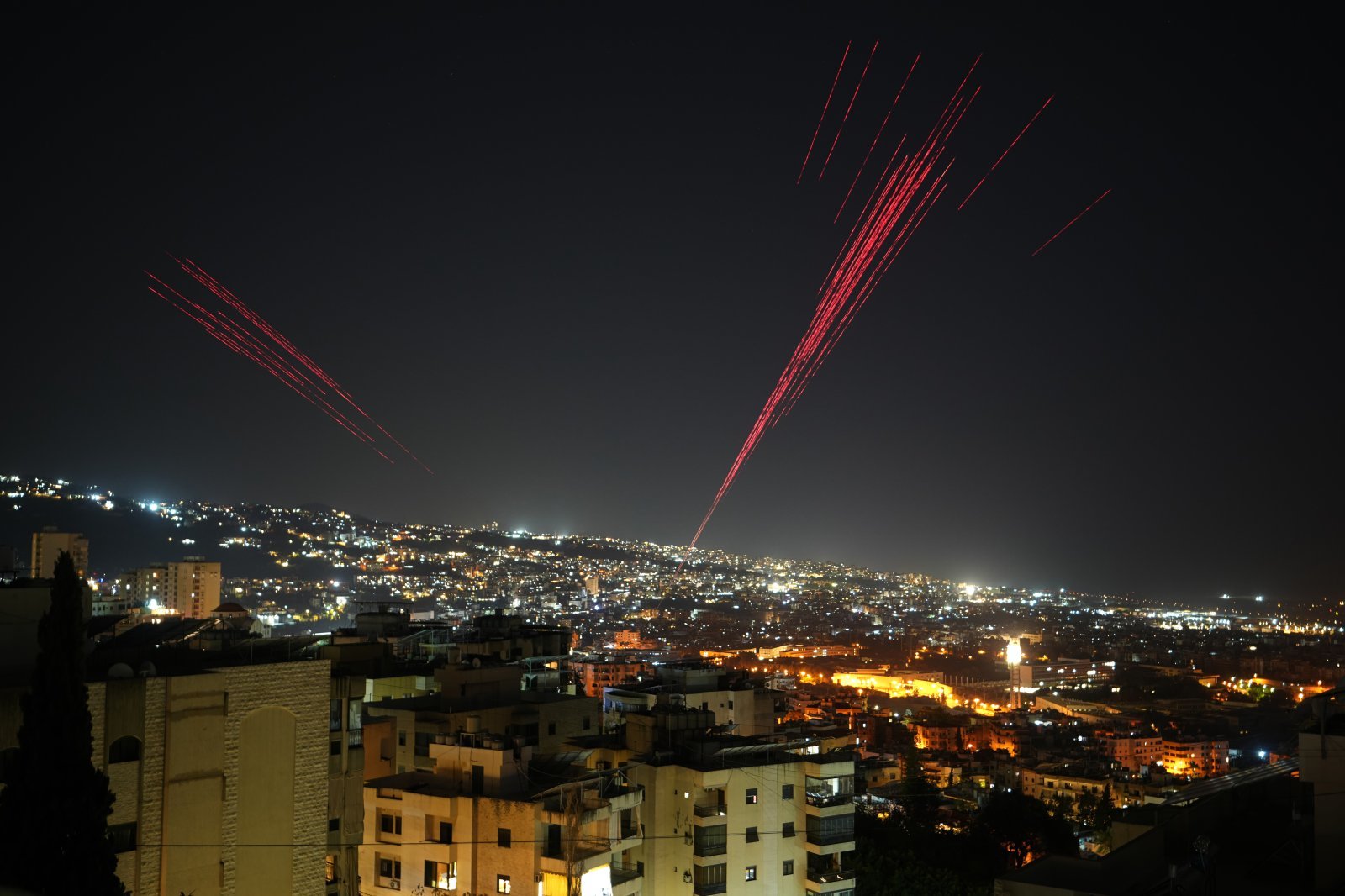
Israel, Lebanon Enter 10-Day Ceasefire Amidst Tensions Over Southern Occupation
Translated from Korean, summarized and contextualized by DistantNews.
TLDR
- Israel and Hezbollah have entered a 10-day ceasefire starting April 17, following mediation involving Iran and the US.
- The ceasefire is fragile, with Hezbollah demanding Israeli withdrawal from southern Lebanon, a condition Israel rejects.
- Despite the truce, intermittent shelling has been reported in southern Lebanon, and displaced residents are awaiting a stable resolution.
A fragile 10-day ceasefire has been brokered between Israel and Hezbollah, commencing on April 17th. This development, welcomed by Iran and major Middle Eastern nations, stems from a broader US-Iran agreement for a two-week truce. However, the underlying tensions remain high. Hezbollah insists on a full Israeli withdrawal from southern Lebanon, a demand vehemently rejected by Israel. The presence of Israeli forces in southern Lebanon is seen by Hezbollah as a justification for continued resistance, a stance echoed by Iranian officials who emphasize the indivisibility of the Lebanese issue from the wider US-Iran truce. The situation is particularly tense in southern Lebanon, the primary conflict zone, where intermittent shelling has continued even after the ceasefire's activation. Displaced residents are hesitant to return, closely monitoring the volatile situation. While Israeli Prime Minister Netanyahu spoke of a historic opportunity for peace, the core disagreement over troop withdrawal casts a long shadow over the sustainability of this ceasefire. The international community, including former US President Donald Trump, has urged adherence to the agreement, emphasizing the need to end the bloodshed and achieve lasting peace.
We welcome the ceasefire. This is part of the (ceasefire) agreement between Iran and the US, which was mediated by Pakistan.
DistantNews Editorial
Originally published by Dong-A Ilbo in Korean. Translated, summarized, and contextualized by our editorial team with added local perspective. Read our editorial standards.
More Stories


From Our Blog

What Gets Lost (and Found) When News Is Translated

The Critical Role of Diaspora Media in Global News

What Travellers Should Know About Countries with Restricted Press

A Digital Nomad's Guide to Following Local News

How the Same Story Looks Different in Different Countries
