

Israel's exit from US aid signals wider decline in Washington's alliances
Translated from English, summarized and contextualized by DistantNews.
At a glance
Analysis
Named sources
Context piece
- Israel's move to end U.S. military aid signifies a broader decline in Washington's alliances.
- This shift reflects the impact of the "America First" policy on global partnerships.
- Rising financial pressures and demands for allies to self-sufficiency are key factors.
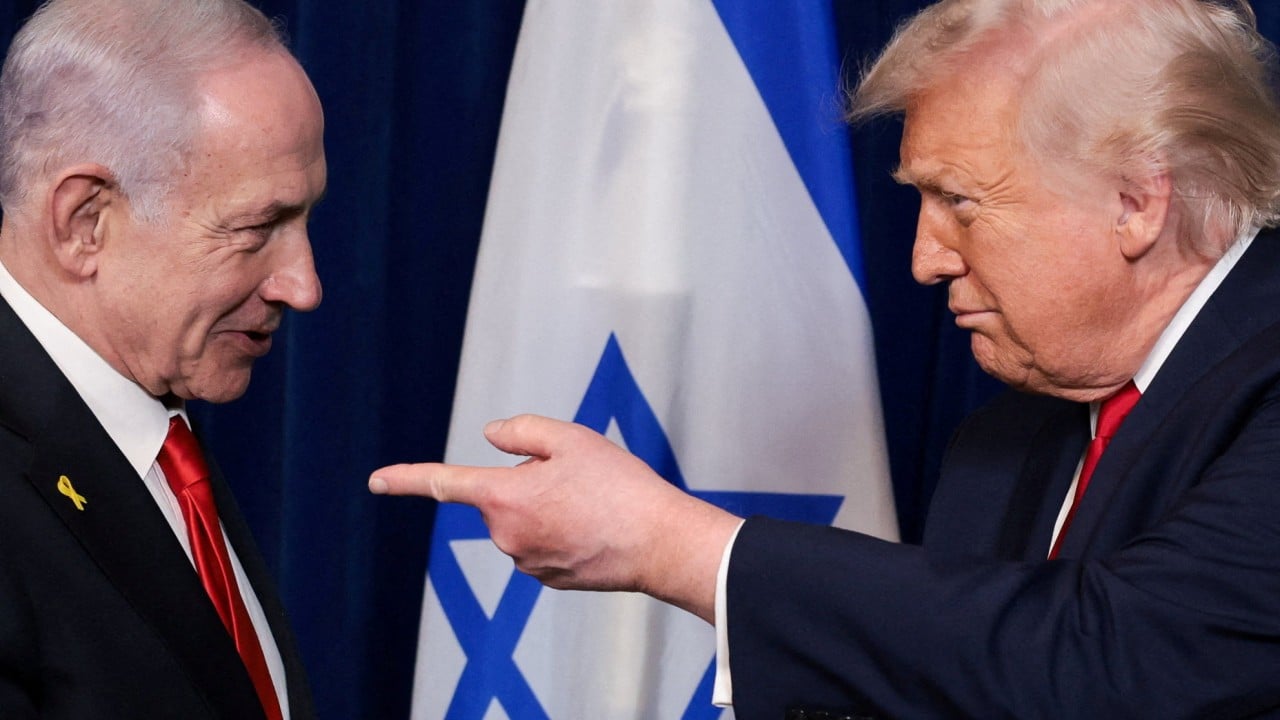
Israel's initiative to phase out American military aid signals a significant shift in global alliances, reflecting the diminishing role of U.S. support under the "America First" doctrine. This move suggests a broader trend where Washington's traditional partners are increasingly expected to stand on their own.
According to Zhu Zhaoyi, executive director of the Institute of Middle East Studies at Peking University's HSBC Business School, the "America First" approach has placed greater financial pressure on the United States. This has led to a demand that U.S. allies shoulder more of their own defense and security burdens.
Zhu argued in a commentary published Monday that factors such as increasing financial strains within the U.S. have fueled this "America First" stance. Consequently, Washington expects its allies to become more self-sufficient, a departure from previous eras of robust American military backing. This evolving dynamic challenges the long-standing nature of U.S. alliances.
factors such as rising financial pressures had fuelled an “America first” approach that demanded Washington’s allies shoulder...
DistantNews Editorial
Originally published by South China Morning Post in English. Translated, summarized, and contextualized by our editorial team with added local perspective. Read our editorial standards.
More Stories

From Our Blog

Countries Without a Free Press: What You Need to Know

What Press Freedom Means for the News You Read

What Gets Lost (and Found) When News Is Translated

The Critical Role of Diaspora Media in Global News

What Travellers Should Know About Countries with Restricted Press
