

Italy Battles Massive Ecological Disaster as Wildfires Ravage Piedmont Forests
Translated from Polish, summarized and contextualized by DistantNews.
At a glance
News
Sources not specified
Context piece
- Italy is battling a massive ecological disaster in the Piedmont region following a series of wildfires.
- An estimated 800 to 900 hectares of forest were destroyed, with up to 700,000 trees lost.
- Full ecological recovery is expected to take up to 70 years, though initial reforestation efforts will begin soon.
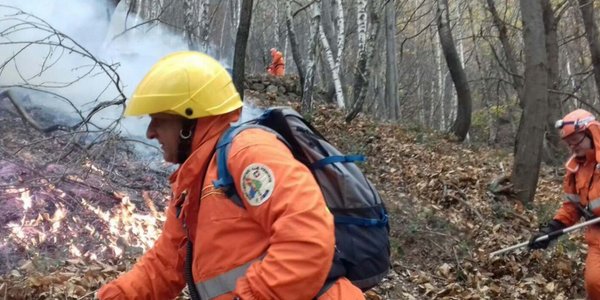
Italy is facing a long and arduous recovery process after wildfires ravaged the Piedmont region, destroying an estimated 800 to 900 hectares of forest and up to 700,000 trees. The regional government is preparing to launch emergency environmental reclamation plans, with reforestation efforts to commence as soon as conditions permit.
The fires, which affected the provinces of Turin, Vercelli, Novara, and Verbano Cusio Ossola, were fueled by exceptionally high temperatures and low rainfall from late May to early July, exacerbated by a heatwave and strong winds. Lightning strikes during thunderstorms are believed to have ignited the blazes, which then spread rapidly.
The most severely impacted area was Valsesia, where approximately 450 hectares burned. In Premosello Chiovenda, 226 hectares were consumed, with about 60% of the forest area destroyed, including valuable oak and beech forests. In Valle Soana, Turin province, fires spread from grassy, rhododendron-covered areas to fir and larch forests.
The ecological consequences extend beyond the loss of trees, significantly impacting local biodiversity, including microfauna, pollinators, reptiles, and birds. Large mammals like roe deer and chamois have been forced to flee into human-inhabited areas. Local authorities estimate that natural regeneration of the damaged areas will take decades, with pioneer plants appearing in 2-5 years, young forests developing in 15-20 years, and mature ecosystems taking up to 70 years to re-establish.
Firefighters, pilots, and volunteers are credited with preventing an even larger disaster, saving an estimated 3,500 hectares of forest and over 3 million trees, as well as nearby villages. Without their swift action, the devastation could have been far worse.
DistantNews Editorial
Originally published by Rzeczpospolita in Polish. Translated, summarized, and contextualized by our editorial team with added local perspective. Read our editorial standards.
More Stories


From Our Blog

What Gets Lost (and Found) When News Is Translated

The Critical Role of Diaspora Media in Global News

What Travellers Should Know About Countries with Restricted Press

A Digital Nomad's Guide to Following Local News

How the Same Story Looks Different in Different Countries
