


Italy braces for a hellish week as anticyclone brings extreme heatwave
Translated from Polish, summarized and contextualized by DistantNews.
At a glance
News
Sources not specified
Context piece
- Italy is bracing for an extreme heatwave with temperatures expected to exceed 40 degrees Celsius due to an African anticyclone.
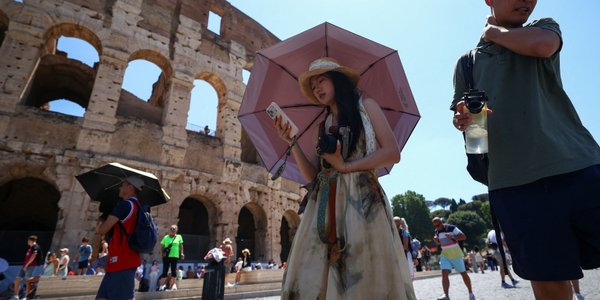
- Rome is particularly affected, with tourists seeking relief in fountains, a prohibited activity.
- Meteorologists warn of health risks, including increased stress, panic attacks, and a rise in cardiovascular events, especially during tropical nights where temperatures remain above 25 degrees Celsius.
Italy faces a severe week as an African anticyclone brings extreme heat, with temperatures predicted to soar above 40 degrees Celsius across the country. The heatwave is expected to be particularly intense in central and southern Italy, including Sicily and Sardinia, where temperatures could reach 42-43 degrees Celsius. The most extreme conditions are forecast for July 14 and 15, when hot air masses from the Sahara will cover most of the Italian territory.
Meteorologist Mattia Gussoni described the period as characterized by extreme and persistent weather phenomena. The heat poses significant health risks, especially to vulnerable individuals, but threatens everyone. Professor Francesco Franceschi from Rome's Polyclinic Gemelli warned that prolonged heatwaves, offering no respite even at night, increase stress, lower immunity, and raise the risk of infectious diseases. This stress can lead to irritability, anxiety, panic attacks, and concentration problems, contributing to an increase in quarrels and traffic accidents.
Ogólnie rzecz biorąc, ludzie są bardziej drażliwi, podatni na lęki i ataki paniki oraz zaburzenia koncentracji. Dlatego obserwujemy wzrost liczby awantur i wypadków drogowych.
Rome is anticipating "tropical nights," with temperatures unlikely to drop below 25 degrees Celsius, offering little relief after scorching days. The city's heat is exacerbated as buildings and streets retain the day's warmth. Thousands of tourists in the capital are unprepared for the extreme conditions, with some resorting to cooling off in prohibited fountains, drawing intervention from the city police. The article highlights the growing concern over the health impacts of such extreme weather events.
Powinniśmy zacząć się martwić wtedy, gdy popełniamy więcej błędów niż zwykle, zapominając o różnych rzeczach. To oznacza cierpienie z powodu upału i brak jasności umysłu.
DistantNews Editorial
Originally published by Rzeczpospolita in Polish. Translated, summarized, and contextualized by our editorial team with added local perspective. Read our editorial standards.
More Stories



From Our Blog

What Gets Lost (and Found) When News Is Translated

The Critical Role of Diaspora Media in Global News

What Travellers Should Know About Countries with Restricted Press

A Digital Nomad's Guide to Following Local News

How the Same Story Looks Different in Different Countries
