


Italy's overlooked city with Roman ruins, famous wines, and a fascinating history
Translated from Romanian, summarized and contextualized by DistantNews.
At a glance
News
Sources not specified
Context piece
- Brescia, a lesser-known Italian city, offers Roman ruins, medieval squares, renowned wines, and traditional restaurants, yet is often overlooked by tourists heading to major destinations like Milan and Verona.
- The city is working to revitalize areas like the Carmine district, transforming it from a previously avoided neighborhood into a vibrant bohemian hub with narrow streets, colorful walls, and lively bars.
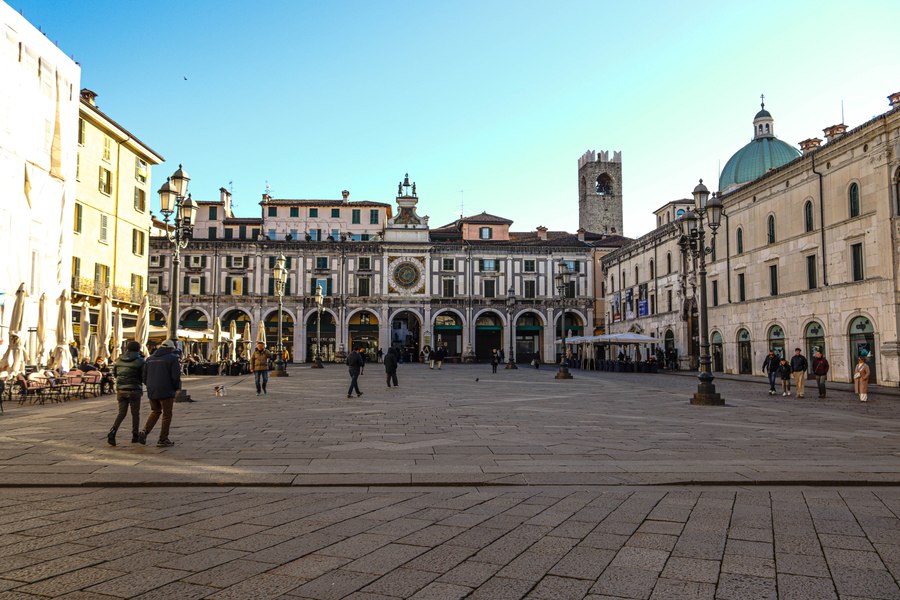
- Brescia's rich history is evident in its architecture, including Piazza della Loggia with its 16th-century clock tower and Piazza Vittoria, remodeled during the fascist era, while also remembering the tragic 1974 bombing.
Tourists often bypass Brescia, a northern Italian city brimming with Roman ruins, medieval squares, celebrated wines, and traditional eateries, in favor of more famous destinations like Milan and Verona or natural attractions such as Lake Garda and the Dolomites. However, Brescia offers a compelling blend of history, culture, and gastronomy that many travelers miss.
The city is actively transforming its image, with areas like the bohemian Carmine district undergoing a renaissance. Once considered unsafe and frequented by sex workers and petty criminals, it is now a vibrant area with narrow streets, colorful walls, graffiti art, and numerous bars and restaurants, offering a different Italian experience.
in childhood, she was warned not to go to this area.
Brescia's culinary scene is also a highlight, with local specialties like pizza and regional wines from Franciacorta. The city's historical depth is palpable, from the Piazza della Loggia, featuring a 16th-century clock tower with automatons that have struck the hour since 1581, to Piazza Vittoria, reshaped during Mussolini's fascist regime. The city also bears the scars of its past, with a monument in Piazza della Loggia commemorating the 1974 bombing that killed eight people during Italy's "Years of Lead."
two decades ago the area was known as a place for prostitutes and thieves.
DistantNews Editorial
Originally published by Adevărul in Romanian. Translated, summarized, and contextualized by our editorial team with added local perspective. Read our editorial standards.
More Stories



From Our Blog

What Gets Lost (and Found) When News Is Translated

The Critical Role of Diaspora Media in Global News

What Travellers Should Know About Countries with Restricted Press

A Digital Nomad's Guide to Following Local News

How the Same Story Looks Different in Different Countries
