


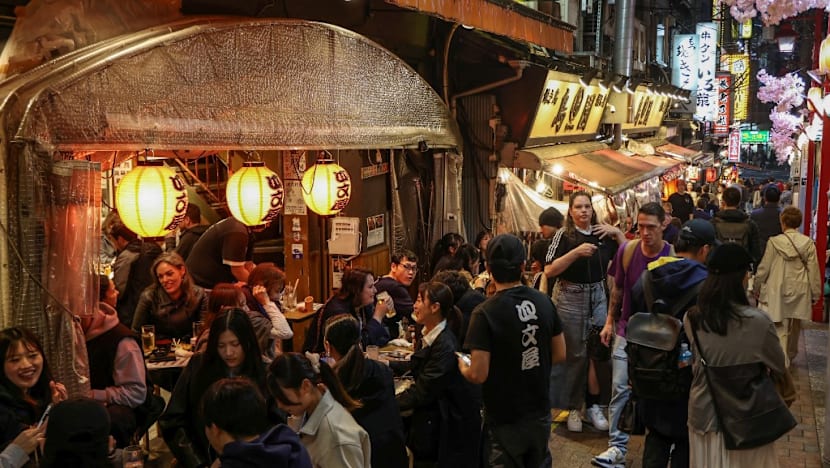
Japan halts new foreign worker intake for food services as quota nears
Summarized and contextualized by DistantNews.
TLDR
- Japan has halted new foreign worker intake for the food services sector as it approaches its quota under a skilled worker program.
- Businesses warn this suspension could exacerbate hiring difficulties in an already tight labor market.
- The sector has a cap of approximately 50,000 foreign workers through fiscal year 2028, with around 46,000 employed as of February.
The Japanese government's decision to halt new foreign worker admissions in the food services sector, effective April 13, signals a critical juncture for an industry already grappling with labor shortages. While the Specified Skilled Worker program was designed to address such issues, the rapid approach to the sector's quota highlights a potential mismatch between policy design and on-the-ground realities for businesses.
I’m in trouble. To serve meals, we need professionals. Cooks are most important for our restaurant.
Restaurant owners, particularly those like Nawab, which relies heavily on foreign staff for its authentic South Asian cuisine, express deep concern. The reliance on skilled foreign professionals, especially cooks, is paramount to maintaining the quality and authenticity of their offerings. The suspension raises immediate questions about operational continuity and the ability to meet customer demand.
This move could have far-reaching consequences, extending beyond just restaurants. Agencies that facilitate the placement of foreign workers report a significant surge in demand from the food services sector over the past two years, indicating a growing dependency. The policy's impact may be felt more acutely in rural areas, where demographic shifts are more pronounced and businesses already struggle to find local labor.
It’s going to become more difficult to hire new people … And there are working hour restrictions (to hire students).
As Japan navigates its demographic challenges and seeks to balance its workforce needs with managed immigration, the food services sector's experience serves as a stark reminder of the complexities involved. The government's approach, while aiming for controlled intake, risks creating significant operational hurdles for businesses that have come to depend on foreign talent.
We have (dispatched) in total about 1,000 (foreign workers). Most were to the nursing sector. Starting two years ago, demand increased in the restaurant business. Cafeterias in nursing homes are also considered restaurants.
DistantNews Editorial
Originally published by CNA. Summarized and contextualized by our editorial team with added local perspective. Read our editorial standards.
More Stories



From Our Blog

What Gets Lost (and Found) When News Is Translated

The Critical Role of Diaspora Media in Global News

What Travellers Should Know About Countries with Restricted Press

A Digital Nomad's Guide to Following Local News

How the Same Story Looks Different in Different Countries
