


Japan, India to promote biogas-powered vehicles in new energy pact
Translated from English, summarized and contextualized by DistantNews.
At a glance
News
Sources not specified
New plan
- Japan and India will establish a new framework to promote biogas-powered vehicles, aiming to boost India's biogas production to 1,000 methane-generation plants for CNG vehicles.
- A memorandum of understanding will be signed during Japanese Prime Minister Sanae Takaichi's visit, with Suzuki Motor playing a key role in producing biogas and promoting CNG vehicles.
- This initiative supports India's energy security by reducing reliance on imported crude oil and promoting cleaner transportation, while also deepening the strategic partnership between Japan and India.
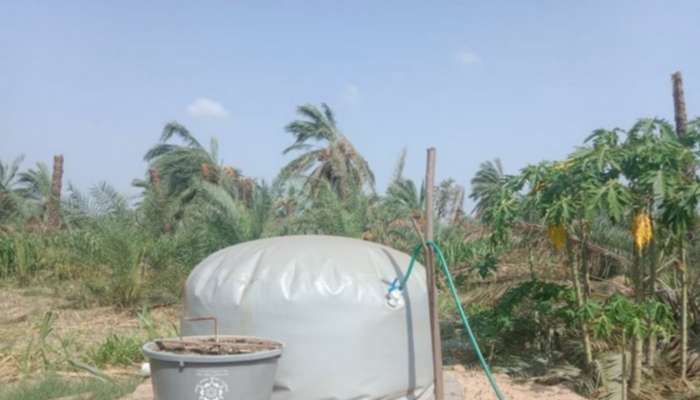
Japan and India are set to forge a new partnership to champion vehicles running on biogas, a clean fuel derived from organic waste like cow dung. This collaboration aims to significantly ramp up India's biogas production capacity, targeting the establishment of 1,000 methane-generation plants for compressed natural gas (CNG) vehicles.
The agreement will be cemented through a memorandum of understanding during Japanese Prime Minister Sanae Takaichi's three-day visit to India, commencing Wednesday. Prime Minister Takaichi is slated to meet with Indian Prime Minister Narendra Modi in New Delhi on Thursday. The summit, initially planned for Guwahati, was relocated to the capital at India's request.
Suzuki Motor, a dominant player in India's passenger vehicle market, is a crucial participant. The company is already producing biogas in India with support from Japanese government subsidies for developing economies and is actively promoting CNG vehicles, which now constitute over a fifth of new car sales in the country.
For India, this initiative is a strategic move to bolster energy security. Despite being the world's third-largest energy consumer, India heavily relies on imported crude oil. Expanding domestic biogas production offers a pathway to reduce this dependence while simultaneously advancing cleaner transportation solutions. The partnership also signifies a deepening strategic relationship between the two nations, with discussions expected to cover economic security and regional stability amid growing concerns over China's influence and global uncertainties.
DistantNews Editorial
Originally published by Times of Oman in English. Translated, summarized, and contextualized by our editorial team with added local perspective. Read our editorial standards.
More Stories



From Our Blog

What Gets Lost (and Found) When News Is Translated

The Critical Role of Diaspora Media in Global News

What Travellers Should Know About Countries with Restricted Press

A Digital Nomad's Guide to Following Local News

How the Same Story Looks Different in Different Countries
