


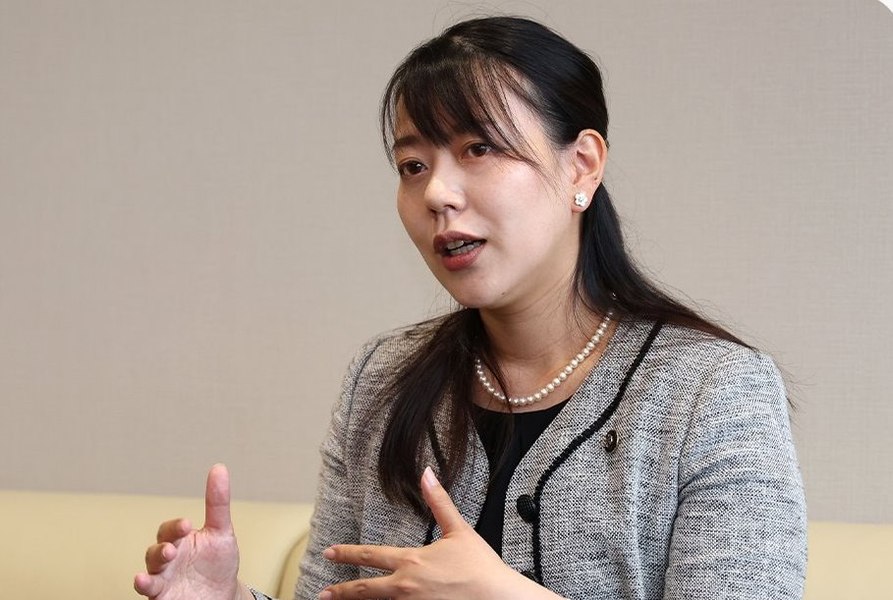
Japan Mayor's Maternity Leave Sparks National Debate
Translated from Romanian, summarized and contextualized by DistantNews.
At a glance
News
Sources not specified
Context piece
- Shoko Kawata, the 35-year-old mayor of Yawata, Japan, will take 16 weeks of maternity leave, a first for a sitting mayor in the country.
- The situation highlights challenges women face balancing careers and family in Japan's conservative economy, as the law lacks explicit provisions for elected officials.
- Kawata's decision sparks national debate amid Japan's demographic crisis, with record low birth rates putting pressure on authorities.
In Yawata, Japan, Mayor Shoko Kawata's decision to take 16 weeks of maternity leave has ignited a national conversation. While maternity leave is common in many countries, Kawata's case is unprecedented in Japan, exposing the deep-seated difficulties women encounter when trying to reconcile professional ambitions with family life in one of the world's most conservative developed economies.
The 35-year-old mayor, the youngest woman ever elected to the position in Japan, is expecting her first child in September. Her duties will be temporarily handled by a deputy during her absence. This situation exists in a legal gray area, as Japanese law provides maternity leave for public employees but lacks explicit provisions for elected officials.
The situation seems natural in many countries, but this case is considered a premiere in Japan and highlights the difficulties faced by women trying to combine career and family life in one of the most conservative developed economies in the world.
Despite some criticism that an elected official's absence could be a burden on taxpayers, Kawata reports largely favorable reactions from her constituents and local administration. She stated that both city employees and residents have encouraged her to focus on her family during this period. This local support underscores a slow but discernible shift in Japanese society.
Although Japanese public officials benefit from maternity leave, the legislation does not contain explicit provisions for elected officials.
Experts in gender equality view Kawata's decision as a reflection of gradual changes occurring in Japan. While the number of women in local leadership roles has increased, it remains low. In early 2026, fewer than 80 women served as mayors across Japan's more than 1,700 municipalities, and women hold less than 15% of seats in the House of Representatives. Many institutional practices in Japan were established during an era when leadership was presumed to be exclusively male.
Kawata's announcement comes at a critical time for Japan, which is grappling with a severe demographic crisis. The country recorded a historic low of 671,236 births in 2025, marking the tenth consecutive year of decline. The government is implementing measures like family subsidies and housing support to encourage childbirth, but specialists argue that institutional and societal norms still present significant barriers for working mothers.
The reactions from the community she leads have been, according to Kawata, largely favorable. The mayor says that both local administration employees and city residents encouraged her to take her leave and focus on her family during this period.
DistantNews Editorial
Originally published by Adevărul in Romanian. Translated, summarized, and contextualized by our editorial team with added local perspective. Read our editorial standards.
More Stories


From Our Blog

What Gets Lost (and Found) When News Is Translated

The Critical Role of Diaspora Media in Global News

What Travellers Should Know About Countries with Restricted Press

A Digital Nomad's Guide to Following Local News

How the Same Story Looks Different in Different Countries
