


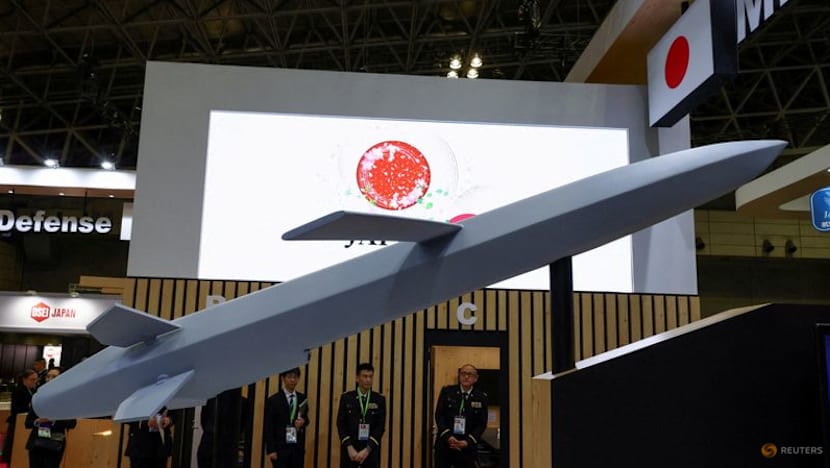
Japan Opens Door to Global Arms Market with Major Export Rule Change
Translated from English, summarized and contextualized by DistantNews.
TLDR
- Japan has significantly overhauled its defense export rules, allowing for the overseas sale of warships, missiles, and other weapons.
- This move marks a major departure from Japan's post-war pacifist security policy and aims to bolster its defense industrial base.
- The change is driven by global demand, strained US production, and a desire to diversify supply chains among allies.
CNA reports on a landmark decision by Japan to liberalize its defense export policy, a move that signals a significant shift in its post-war security posture. For decades, Japan's pacifist constitution has heavily restricted its arms exports. However, the government, under Prime Minister Sanae Takaichi, has now removed key restrictions, paving the way for the global sale of advanced weaponry, including warships and missiles. This is not merely a regulatory change; it's a strategic pivot aimed at strengthening Japan's own defense industry.
The move aimed at strengthening Japan's defence industrial base marks another step away from pacifist restraints that have shaped its postwar security policy.
The rationale behind this historic decision is multifaceted. Global conflicts, such as those in Ukraine and the Middle East, have exposed vulnerabilities in existing supply chains and strained production capacities, particularly in the United States. Allies in Europe and Asia are actively seeking to diversify their sources of military hardware. Japan, with its advanced technological capabilities, sees this as a critical opportunity to not only support its allies but also to boost its domestic defense manufacturing base, increase production volumes, and lower costs.
Wars in Ukraine and the Middle East are also straining US weapons production, expanding opportunities for Japan.
From Japan's perspective, this policy change is crucial for its national security and economic resilience. By engaging in defense exports, Japan aims to enhance its industrial capacity, which can be vital during times of crisis. Furthermore, collaborating on defense technology, such as the joint development of a next-generation fighter jet with Britain and Italy, strengthens alliances and shares the burden of costly R&D. While international media might focus on the geopolitical implications, for Japan, this is about building a more robust and self-reliant defense sector, essential for deterring regional threats and securing its place in the global security architecture. This marks a new era for Japanese defense.
Countries ranging from Poland to the Philippines are exploring procurement opportunities as they modernise their forces.
DistantNews Editorial
Originally published by CNA in English. Translated, summarized, and contextualized by our editorial team with added local perspective. Read our editorial standards.
More Stories



From Our Blog

What Gets Lost (and Found) When News Is Translated

The Critical Role of Diaspora Media in Global News

What Travellers Should Know About Countries with Restricted Press

A Digital Nomad's Guide to Following Local News

How the Same Story Looks Different in Different Countries
