


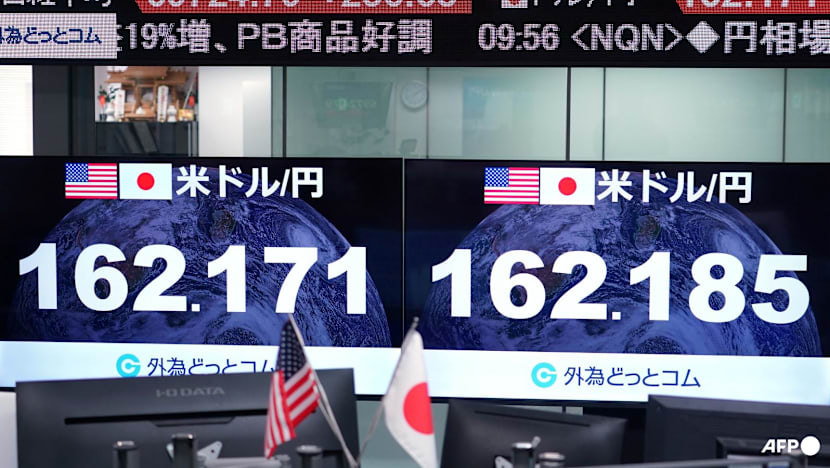
Japan ready to act as yen hits 40-year low against dollar
Translated from English, summarized and contextualized by DistantNews.
At a glance
News
Named sources
Ongoing story
- Japan's finance minister signaled readiness to intervene in currency markets as the yen hit a 40-year low against the dollar.
- The yen's decline is attributed to the Middle East war and interest rate differentials between Japan and the U.S.
- While a weak yen boosts tourism, it increases import costs for Japan, which has implemented subsidies to shield consumers.
Japan's authorities are prepared to take "appropriate action" to support the weakening yen, which recently touched a 40-year low against the U.S. dollar. Finance Minister Satsuki Katayama indicated the government's readiness to intervene in currency markets as needed, a move intended to signal resolve to traders.
The yen has been on a downward trend for years, exacerbated recently by geopolitical tensions from the Middle East war and significant interest rate gaps between Japan and the United States. The currency fell below 161.96 per dollar in London on Monday, its lowest point since 1986, before recovering slightly.
A weaker yen makes imports, particularly dollar-priced oil, more expensive for resource-scarce Japan. The government has been using fuel and energy subsidies to mitigate the impact on consumers. Conversely, the weak yen has significantly boosted Japan's tourism sector by making travel, accommodation, and shopping more affordable for foreign visitors.
Despite the Bank of Japan raising interest rates to a 31-year high, expectations that the U.S. Federal Reserve might further increase borrowing costs suggest the interest rate gap will persist. However, additional rate hikes by the Bank of Japan could face resistance from Prime Minister Sanae Takaichi's government, which is concerned about stifling economic growth.
will take appropriate action at any time as necessary
DistantNews Editorial
Originally published by CNA in English. Translated, summarized, and contextualized by our editorial team with added local perspective. Read our editorial standards.
More Stories



From Our Blog

What Gets Lost (and Found) When News Is Translated

The Critical Role of Diaspora Media in Global News

What Travellers Should Know About Countries with Restricted Press

A Digital Nomad's Guide to Following Local News

How the Same Story Looks Different in Different Countries
