

Japan's Prime Minister Criticized Over Post About Minimal Sleep
Translated from Polish, summarized and contextualized by DistantNews.
At a glance
News
Named sources
Context piece
- Japanese Prime Minister Fumio Kishida faced criticism for a social media post detailing her demanding work schedule and minimal sleep.
- Politicians questioned whether such a work style and public communication are appropriate for a national leader.
- Critics suggested the prime minister should delegate tasks more effectively to ensure she can make decisions with a clear mind.
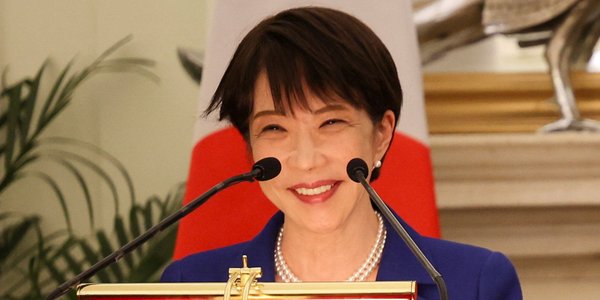
Japanese Prime Minister Fumio Kishida has drawn criticism from both ruling and opposition parties for a post on the social media platform X detailing her intense work schedule and the minimal sleep she reportedly gets. Politicians are questioning the appropriateness of such a work style and public communication for a national leader.
Usually I sleep 0-3 hours.
In her July 20 post, Kishida described working late into the night on weekends since early July, including reviewing a document on "Basic Directions for Economic and Fiscal Management and Reforms for 2026." She wrote about being overwhelmed by stacks of documents and thousands of pending emails, stating that since becoming prime minister, sleeping only "0 to 3 hours" per day has become the norm.
Kishida did mention that on July 20, she was able to sleep for five hours, the first time in a while, and spent some personal time ironing and sewing. However, her focus on sleep deprivation sparked debate.
Is it not also part of being a leader to distribute duties so that the leader can focus on tasks that only the leader can perform?
Yuichiro Tamaki, leader of the opposition Democratic Party for the People, questioned at a press conference whether "distributing duties so that the leader can focus on tasks that only the leader can perform is, in a sense, also part of being a leader?" He suggested that Kishida should rest more and that her staff should create conditions for her to make important decisions with a fresh mind, possibly by delegating household chores.
I think she should rest more. Why doesn't her environment provide her with more support to create conditions where she can make important decisions with a fresh mind?
An anonymous official from an opposition party expressed surprise that the prime minister would "flaunt the fact that she doesn't sleep." A representative from Kishida's own Liberal Democratic Party acknowledged that "history will judge how the prime minister worked," but added that it would be important whether she has enough trusted advisors to whom she can delegate work. Kishida is Japan's first female prime minister.
history will judge how the prime minister worked, but it will be important whether she has enough advisors whom she can trust and delegate work to.
DistantNews Editorial
Originally published by Rzeczpospolita in Polish. Translated, summarized, and contextualized by our editorial team with added local perspective. Read our editorial standards.
More Stories

From Our Blog

What Gets Lost (and Found) When News Is Translated

The Critical Role of Diaspora Media in Global News

What Travellers Should Know About Countries with Restricted Press

A Digital Nomad's Guide to Following Local News

How the Same Story Looks Different in Different Countries
