



Japan sends three Chinook helicopters to aid Kalimantan wildfire fight
Translated from Indonesian and summarized by DistantNews. Read the original for the full story.
At a glance
News
Named sources
Ongoing story
- Japan's Ministry of Defense will send three CH-47 Chinook helicopters and personnel from the Self-Defense Forces to Indonesia to help fight wildfires in Kalimantan.
- The deployment is in response to a request from the Indonesian government for assistance with severe forest and land fires.
- The helicopters will transport water from lakes and fly to fire hotspots to extinguish the flames.
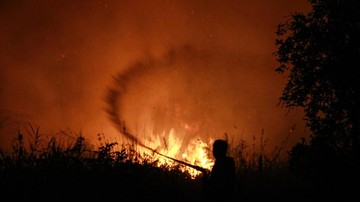
Japan's Ministry of Defense has committed to supporting Indonesia's battle against devastating forest and land fires in Kalimantan. The decision comes after the Indonesian government formally requested assistance from Japan to tackle the severe environmental damage caused by the ongoing blazes.
As part of its international disaster relief efforts, Japan will dispatch personnel and equipment from its Self-Defense Forces (JSDF). A key component of this aid will be the deployment of a tank landing ship, JS Kunisaki, which will transport three CH-47 Chinook helicopters to Indonesia. The preparations for this deployment are being finalized, with the mission expected to commence as soon as possible.
Footage released by the Japanese Ministry of Defense shows the Chinook helicopters in action during previous wildfire suppression operations. These powerful aircraft are capable of scooping water from lakes and delivering it directly to the heart of the fires. This aerial firefighting capability is crucial for reaching remote and inaccessible areas affected by the Kalimantan wildfires.
The deployment of Japanese helicopters underscores the severity of the wildfire situation in Kalimantan and the need for international cooperation. The CH-47 Chinooks are expected to significantly bolster the firefighting capacity on the ground, aiding Indonesian authorities in their efforts to control and extinguish the widespread fires.
About this summary
Originally published by Republika in Indonesian. Translated, summarized, and contextualized automatically by DistantNews, with a note on how the source frames the story. Not individually reviewed before publishing. How this works.
More Stories


From Our Blog

What Gets Lost (and Found) When News Is Translated

The Critical Role of Diaspora Media in Global News

What Travellers Should Know About Countries with Restricted Press

A Digital Nomad's Guide to Following Local News

How the Same Story Looks Different in Different Countries
