

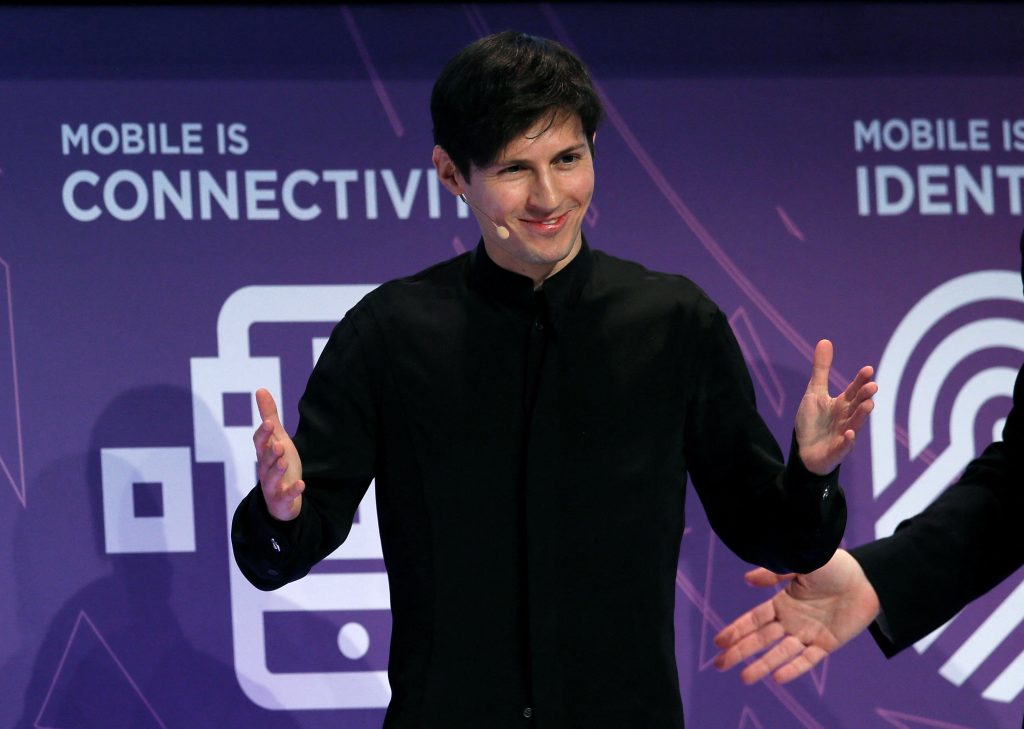

Jeff Bezos predicts AI will create labor shortages, not job losses
Translated from Greek, summarized and contextualized by DistantNews.
At a glance
News
Sources not specified
Context piece
- Amazon founder Jeff Bezos believes artificial intelligence will increase demand for human workers, not cause mass job losses.
- Speaking at the VivaTech conference in Paris, Bezos countered fears that AI will make employees redundant, suggesting it will open new career paths.
- His comments contrast with warnings from others, like former UK Prime Minister Rishi Sunak, about AI's impact on young people's job prospects.
Jeff Bezos, the founder of Amazon, expressed an optimistic outlook on artificial intelligence's impact on the job market, asserting that AI will ultimately drive up demand for human labor rather than lead to widespread unemployment. Addressing attendees at the VivaTech technology conference in Paris, Bezos directly challenged the prevailing anxiety that AI will render workers obsolete.
"Many people, even very smart ones, worry that artificial intelligence will replace people. I completely disagree with this view," Bezos stated. He posited that AI will instead create new professional horizons and generate more employment opportunities, potentially leading to a scarcity of human workers. This perspective positions AI as a catalyst for job creation and evolution, rather than a force for displacement.
Bezos's remarks stand in contrast to more cautious viewpoints, including those from political figures like former British Prime Minister Rishi Sunak, who has voiced concerns about AI's potential to negatively affect the career prospects of younger generations. The Amazon founder's vision is one where technology enhances human creativity and productivity by removing limitations.
His comments were made in the context of his new business venture, Prometheus, which aims to accelerate industrial production using advanced technologies. Bezos also touched upon his ambitious space exploration goals, emphasizing the need to make space more accessible to foster a burgeoning space economy. He views the Moon as a critical first step for humanity's permanent presence beyond Earth, citing its resources and proximity as key advantages for establishing sustainable off-world operations.
DistantNews Editorial
Originally published by Ta Nea in Greek. Translated, summarized, and contextualized by our editorial team with added local perspective. Read our editorial standards.
More Stories


From Our Blog

What Gets Lost (and Found) When News Is Translated

The Critical Role of Diaspora Media in Global News

What Travellers Should Know About Countries with Restricted Press

A Digital Nomad's Guide to Following Local News

How the Same Story Looks Different in Different Countries
