


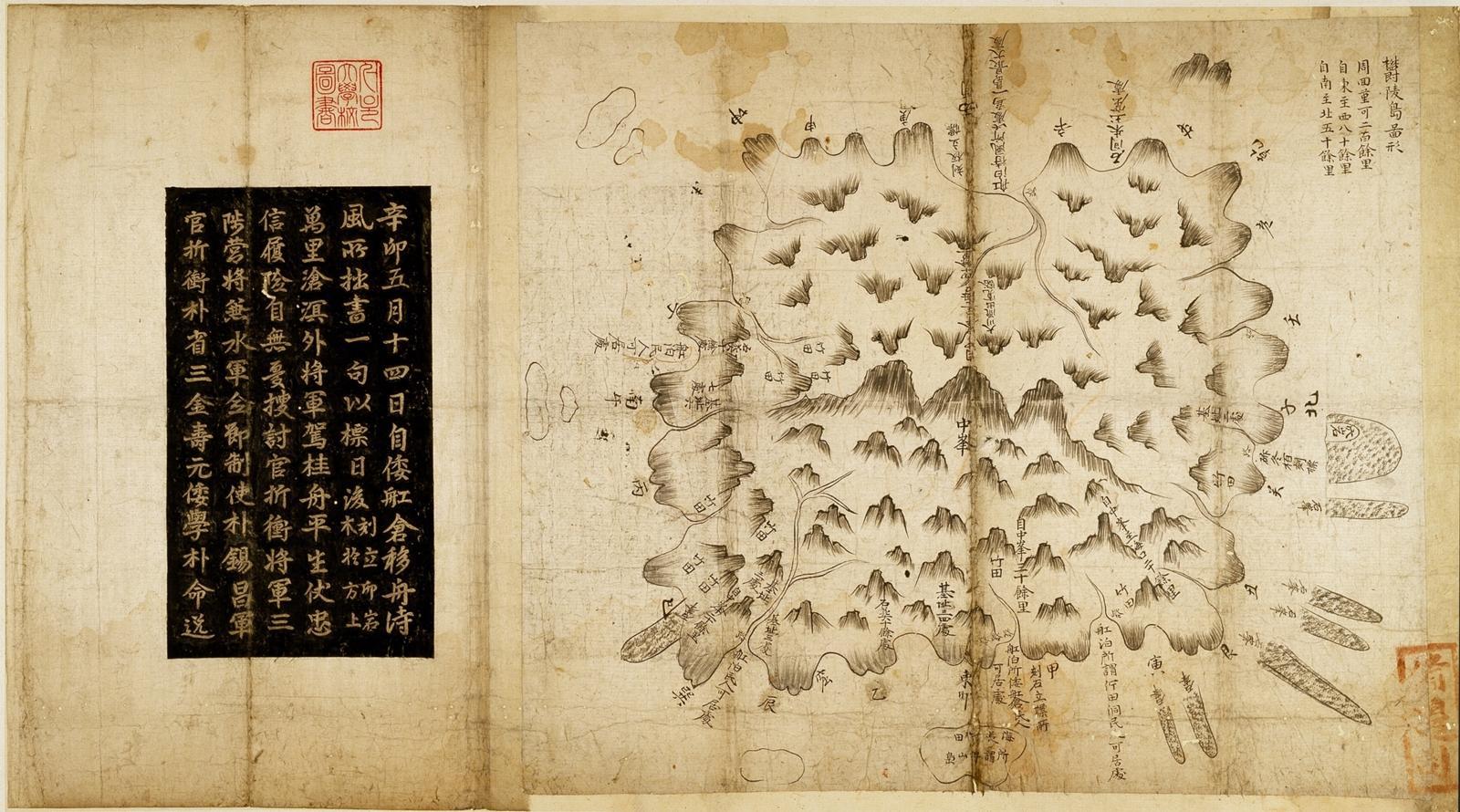
Joseon Era 'Suto' Legacy: Ulleungdo-Dokdo Academic Survey Resumes After 73 Years
Translated from Korean, summarized and contextualized by DistantNews.
TLDR
- A comprehensive academic survey of Ulleungdo and Dokdo, first conducted after liberation to protect Korean territory, is set to resume after 73 years.
- The Northeast Asian History Foundation will lead a survey team of about 20 researchers to the Ulleungdo area from April 20-24, with Dokdo to be surveyed in the latter half of the year.
- The survey will focus on the "Suto" (search and suppress) activities during the Joseon Dynasty, which involved regular patrols to defend the territory, and aims to build a systematic database of Ulleungdo and Dokdo.
After a hiatus of 73 years, South Korea is reviving a crucial academic initiative to reaffirm its sovereignty over Ulleungdo and Dokdo, islands historically vital to the nation's territorial integrity. The Northeast Asian History Foundation is spearheading this comprehensive survey, a project first undertaken in the immediate aftermath of liberation to safeguard national claims. This renewed effort underscores South Korea's unwavering commitment to documenting and preserving the historical, cultural, and natural significance of these islands.
The foundation's research committee and external experts, totaling about 20 people, will survey the Ulleungdo area from the 20th to the 24th of this month, and Dokdo will be surveyed in the second half of the year.
The survey's focus on the Joseon Dynasty's "Suto" activities—the systematic patrols and defense operations conducted to protect the territory—is particularly significant. By examining related inscriptions, historical maps, and records, the project aims to connect past efforts of territorial defense with present-day assertions of sovereignty. The inclusion of a leading expert in traditional rubbings, Monk Heungseon, highlights the meticulous approach being taken to capture and analyze historical evidence.
We plan to conduct interdisciplinary research covering literature, historical sites, artifacts, oral accounts, testimonies, and folklore related to Suto.
This academic endeavor is more than just research; it's a vital component of South Korea's national narrative and its ongoing efforts to counter historical revisionism. While international coverage might focus on the geopolitical implications, for South Koreans, this survey represents a deep dive into the historical consciousness of territorial defense. It's about honoring the spirit of those who protected the islands and ensuring that robust, scientific data underpins national claims. The Dong-A Ilbo, as a prominent voice in South Korean media, views this as a critical step in reinforcing national identity and historical accuracy, ensuring that the legacy of territorial defense is passed on to future generations.
We will inherit the spirit of territorial defense of the Suto officials and build a systematic and scientific database for Ulleungdo and Dokdo.
DistantNews Editorial
Originally published by Dong-A Ilbo in Korean. Translated, summarized, and contextualized by our editorial team with added local perspective. Read our editorial standards.
More Stories


From Our Blog

What Gets Lost (and Found) When News Is Translated

The Critical Role of Diaspora Media in Global News

What Travellers Should Know About Countries with Restricted Press

A Digital Nomad's Guide to Following Local News

How the Same Story Looks Different in Different Countries
