

Journey to Turn Waste into Resources in Vietnam
Translated from Vietnamese, summarized and contextualized by DistantNews.
TLDR
- Vietnam is losing an estimated $2.9 billion annually due to inefficiencies in plastic waste management and recycling, according to a World Bank report.
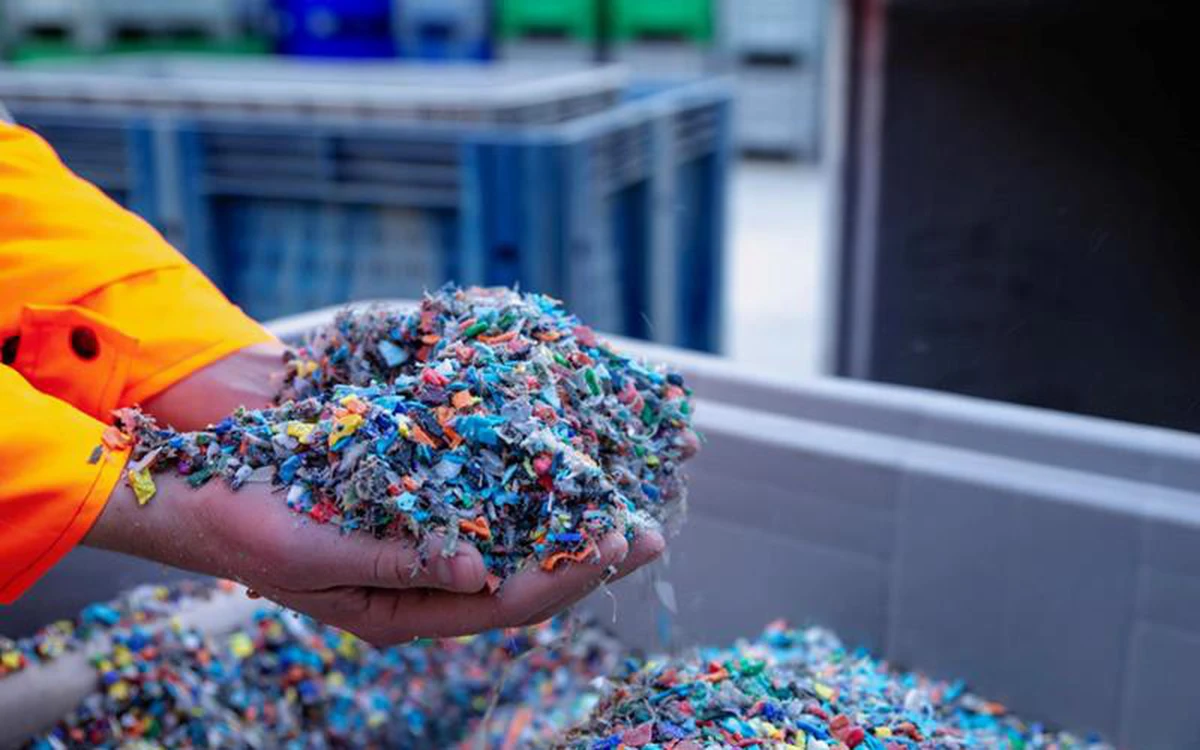
- A significant portion of valuable plastic material is lost because it is not collected or becomes contaminated during initial sorting.
- The report emphasizes the need for a synchronized system involving household sorting, collection/processing infrastructure, and transparent material tracking to improve the value chain.
A recent World Bank report highlights a stark reality for Vietnam: the nation is hemorrhaging valuable resources, with an estimated $2.9 billion lost annually from the plastic value chain. This staggering figure, detailed in the report 'Scaling Up Plastic Circularity Initiatives with Investment in ASEAN,' underscores the critical need for a more robust and integrated approach to waste management and recycling.
The core issue, as identified by the report, lies not just in a lack of community awareness or collection infrastructure, but in the fundamental breakdown of the system at the initial sorting stage. A substantial amount of high-value plastic material is lost simply because it's mixed with other waste or contaminated, rendering it unusable for recycling and thus diminishing its economic potential. This 'fractured' material flow, as described, means that even with legislative efforts like the Environmental Protection Law 2020 mandating source separation, the system struggles to capture the inherent value in plastic waste.
From a Vietnamese perspective, this is not merely an environmental issue but a significant economic one. The potential to transform waste into a valuable resource is immense, yet currently unrealized. Companies like Unilever Vietnam are pioneering systemic solutions, recognizing that addressing this challenge requires a multi-pronged strategy. Their efforts span from consumer-level awareness campaigns and improved packaging design to establishing public-private partnerships like the PPC model, which aims to enhance collection and recycling capacities.
This comprehensive approach, involving synchronized efforts across household behavior, collection logistics, processing capabilities, and transparent data management, is crucial for unlocking the circular economy's potential in Vietnam. The goal is to move beyond simply managing waste to actively creating value from it, turning a costly problem into an economic opportunity and contributing to both environmental sustainability and national economic growth.
DistantNews Editorial
Originally published by Tuổi Trẻ in Vietnamese. Translated, summarized, and contextualized by our editorial team with added local perspective. Read our editorial standards.
More Stories

From Our Blog

What Gets Lost (and Found) When News Is Translated

The Critical Role of Diaspora Media in Global News

What Travellers Should Know About Countries with Restricted Press

A Digital Nomad's Guide to Following Local News

How the Same Story Looks Different in Different Countries
