


Justice Summit: 'We See Terrible Things' – Resilience Needed for Jurists
Translated from German, summarized and contextualized by DistantNews.
TLDR
- The German Judges and Prosecutors Association is focusing on the psychological resilience of legal professionals.
- Association chair Andrea Titz highlighted the immense mental toll of dealing with severe crimes like abuse and murder.
- The association is also concerned about political influence on the judiciary, advocating for greater self-governance.
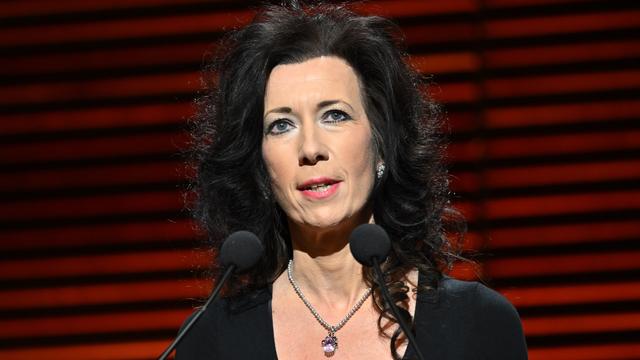
Weimar, Germany – The 24th German Judges and Prosecutors Conference in Weimar is confronting a critical issue: the psychological well-being of those who uphold the law. Andrea Titz, chairwoman of the German Judges Association, has drawn attention to the profound mental strain experienced by judges and prosecutors who regularly encounter the darkest aspects of human behavior.
Man sieht ganz schreckliche Dinge: Missbrauch, aber auch Kapitaldelikte, und muss Strategien entwickeln, damit umzugehen. Das ist aber kein Selbstläufer, wir müssen an unserer Resilienz arbeiten.
"One sees terrible things: abuse, but also capital offenses, and one must develop strategies to cope with it. But this is not a given; we must work on our resilience," Titz stated in an interview with the German Press Agency. The overwhelming demand for a workshop on "Resilience for Judges and Prosecutors" at the conference, necessitating the addition of a second session, underscores the urgency and widespread nature of this concern among legal professionals. This focus on mental health is crucial in Germany, where the judiciary is seen as a cornerstone of its democratic order, and its practitioners must be supported to maintain their effectiveness and integrity.
Mehrere hundert Kolleginnen und Kollegen haben sich zu dem Workshop mit einer erfahrenen Psychologin angemeldet.
Beyond the personal toll, the conference is also addressing systemic threats to the justice system. Under the motto "Save the Rule of Law," Titz expressed concern over a discernible "right-wing shift" in state-level politics in recent years. The association is questioning how effectively the judiciary is protected from potential attacks by parties that do not fully embrace the principles of liberal democracy. This is a particularly sensitive topic in Germany, given its historical experiences and the ongoing debates surrounding extremist ideologies.
Es muss Orte geben, in denen man geschützt zugeben darf, dass diese Art von Verfahren belasten, in denen man das offen ansprechen kann, ohne das Gefühl vermittelt zu bekommen, als würde man die Arbeit nicht schaffen.
To counter such threats, Titz is advocating for enhanced self-governance within the judiciary. "It is about creating structures in which the judiciary itself decides on appointments, promotions, and disciplinary measures," she explained, pointing to the challenging situation in Thuringia where political deadlock has prevented the appointment of new judges. From a German perspective, ensuring the independence of the judiciary from political interference is not merely an administrative issue but a fundamental safeguard of its democratic freedoms, a principle deeply ingrained in the nation's post-war constitutional framework.
In den vergangenen Jahren war auf Landesebenen ein deutlicher Rechtsruck zu spüren.
DistantNews Editorial
Originally published by Die Zeit in German. Translated, summarized, and contextualized by our editorial team with added local perspective. Read our editorial standards.
More Stories



From Our Blog

What Gets Lost (and Found) When News Is Translated

How the Same Story Looks Different in Different Countries

The Critical Role of Diaspora Media in Global News

What Travellers Should Know About Countries with Restricted Press

A Digital Nomad's Guide to Following Local News
