

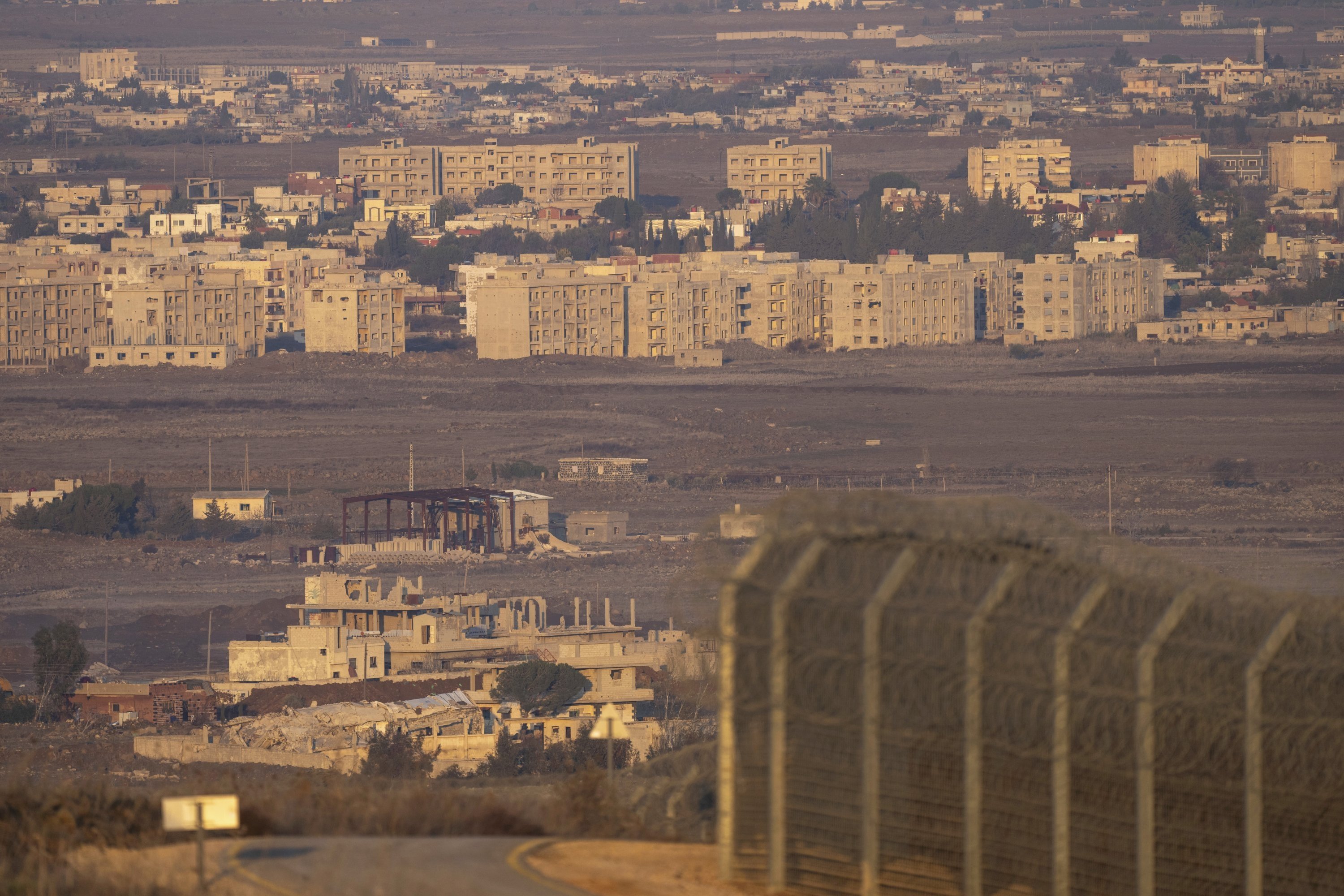
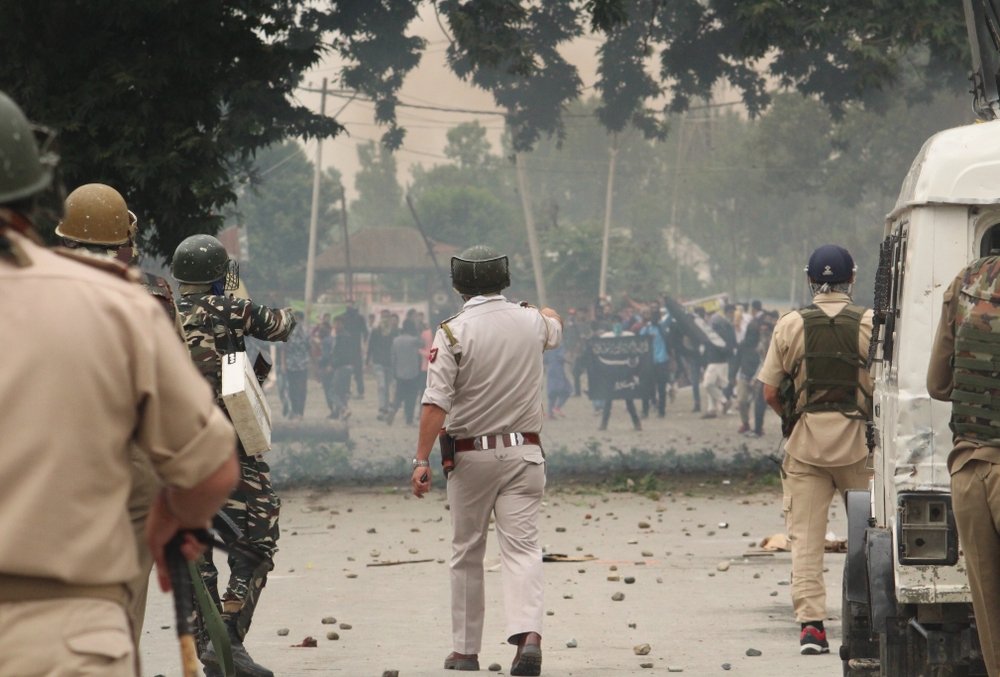
Kashmir's identity and demographics shift after India's 2019 constitutional changes
Translated from English, summarized and contextualized by DistantNews.
At a glance
News
Sources not specified
Context piece
- India's 2019 constitutional changes in Indian Illegally Occupied Jammu and Kashmir revoked key articles, initiating measures with grave implications for regional peace and human rights.
- New domicile laws have allowed millions of non-residents to obtain residency and land ownership, a move seen as demographic engineering undermining Kashmiri self-determination.
- Human rights organizations and UN bodies have repeatedly raised concerns over abuses, including communication blackouts, detentions, and restrictions on press freedom, contributing to fears of identity erosion.
India's 2019 constitutional changes in Indian Illegally Occupied Jammu and Kashmir (IIOJK) have sparked widespread concern over their impact on the region's peace, security, and the fundamental rights of its people. The revocation of Articles 370 and 35-A marked the beginning of a series of measures that have significantly altered the territory's legal and demographic landscape.
The constitutional changes introduced by India in 2019 did more than revoke Articles 370 and 35-A; they set in motion a series of measures which have had grave implications on the peace and security of the region, as well as on the basic human rights and fundamental freedoms of people of IIОЈК.
Article 35-A, in place since 1954, had protected the region's demographic character by reserving land ownership and public employment for permanent residents. This safeguard was intended to preserve the territory's identity pending the implementation of UN Security Council resolutions and the people's right to self-determination. However, new domicile laws enacted after 2019 have extended eligibility for residency, land ownership, and government jobs to a large number of individuals who were not previously considered permanent residents. Reports indicate millions of domicile certificates have been issued, opening up land for acquisition by non-local entities.
These developments represent a deliberate process of demographic engineering aimed at undermining the right to self-determination of Kashmiris, as promised under the United Nations Security Council's Resolutions.
These developments are viewed by many as a deliberate attempt at demographic engineering, aimed at undermining the Kashmiris' right to self-determination. The Indian government's actions also face scrutiny under international humanitarian law, particularly the Geneva Conventions. Human rights organizations, including Amnesty International and Human Rights Watch, along with UN bodies, have consistently highlighted concerns about the situation in IIOJK. These include prolonged communication blackouts, internet shutdowns, the detention of political figures under laws like the Public Safety Act, the continued application of the Armed Forces Special Powers Act granting broad immunity to security forces, enforced disappearances, extrajudicial killings, and the use of pellet guns against civilians.
Human rights organizations, including Amnesty International, Human Rights Watch, as well as U.N. human rights bodies, have repeatedly raised concerns over the situation in IIOJK, including prolonged communication blackouts and internet shutdowns, the detention of political leaders and activists under laws such as the Public Safety Act, the continued use of the Armed Forces Special Powers Act (AFSPA) which grants sweeping immunity to security personnel, enforced disappearances and extrajudicial killings, and the use of pellet guns against civilians, including children.
Furthermore, press freedom is severely curtailed, with journalists facing harassment, travel bans, and prosecution under anti-terrorism laws. Kashmiris express deep uncertainty about their homeland's future and their own identity. Concerns extend to changes in educational curricula, the historical narrative presented, and the place of Kashmiri language and cultural heritage in public institutions. These trends collectively foster a perception among Kashmiris that their distinct identity is under systematic erosion, creating a climate of anxiety and apprehension.
Press freedom does not exist, with journalists facing harassment, travel bans and prosecution under anti-terrorism laws.
DistantNews Editorial
Originally published by Daily Sabah in English. Translated, summarized, and contextualized by our editorial team with added local perspective. Read our editorial standards.
More Stories

From Our Blog

What Gets Lost (and Found) When News Is Translated

The Critical Role of Diaspora Media in Global News

What Travellers Should Know About Countries with Restricted Press

A Digital Nomad's Guide to Following Local News

How the Same Story Looks Different in Different Countries
