


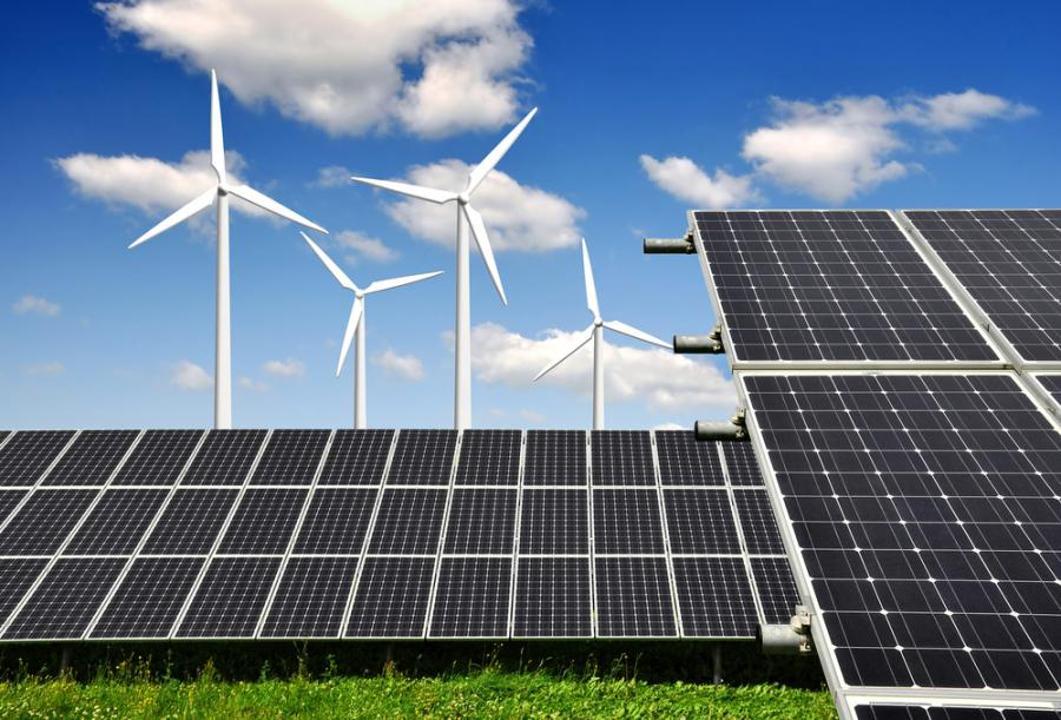
Kazakhstan Meets Renewable Energy Goal Ahead of Schedule. What Comes Next?
Summarized and contextualized by DistantNews.
At a glance
News
Official statement
Outcome reported
- Kazakhstan exceeded its 2025 renewable electricity generation target, producing 8.6 billion kilowatt-hours, or 7% of total production.
- Renewable generation increased by over 1.7 times compared to 2022, surpassing a goal of 1.5 times growth.
- The country plans to add 10 more renewable projects in 2026, but faces challenges in integrating intermittent sources into the national grid.
Kazakhstan has surpassed its national target for renewable electricity generation for 2025, producing 8.6 billion kilowatt-hours, which accounts for 7% of the country's total electricity output. This marks a significant increase of over 1.7 times compared to 2022 levels, exceeding the government's goal of a 1.5-fold increase.
The Ministry of Energy attributes this success to sustained government backing, including renewable energy auctions, investment attraction, and the commissioning of new facilities. In 2025 alone, nine renewable energy projects with a combined capacity of 503.5 megawatts were launched. Authorities plan to add another 10 projects totaling 245 MW this year, comprising wind farms, solar power plants, and a hydropower station.
Wind power continues to dominate Kazakhstan's renewable sector expansion. International data shows a steady increase in installed renewable capacity, rising from 5,561 MW in 2024 to 6,084 MW in 2025. Wind capacity grew from 1,520 MW to 1,909 MW, while solar capacity saw a smaller increase. Despite this growth in capacity, renewables' share in the total electricity generation capacity only marginally increased from 22.4% to 22.8%.
Looking ahead, Kazakhstan's priority is to maintain investment momentum and diversify its energy mix. However, the rapid integration of intermittent sources like wind and solar power presents the next challenge, requiring focus on power system management, transmission infrastructure, energy storage, and grid flexibility. Neighboring Central Asian countries are also expanding their clean energy deployment, reflecting a regional trend towards diversifying away from fossil fuels.
DistantNews Editorial
Originally published by The Astana Times. Summarized and contextualized by our editorial team with added local perspective. Read our editorial standards.
More Stories

From Our Blog

What Gets Lost (and Found) When News Is Translated

The Critical Role of Diaspora Media in Global News

What Travellers Should Know About Countries with Restricted Press

A Digital Nomad's Guide to Following Local News

How the Same Story Looks Different in Different Countries
