


Kazakhstan: Russia May Halt Oil Transport to Germany via Druzhba Pipeline
Translated from German, summarized and contextualized by DistantNews.
TLDR
- Kazakhstan confirmed that oil transport to Germany via the Druzhba pipeline could be halted from May, citing unofficial sources.
- Russia has reportedly planned zero transit capacity for Kazakh oil through the pipeline, with unofficial explanations pointing to technical limitations.
- Kazakhstan's Energy Minister suggested the issue might be linked to recent attacks on Russian infrastructure, but stated the country plans to maintain oil production and explore alternative routes.
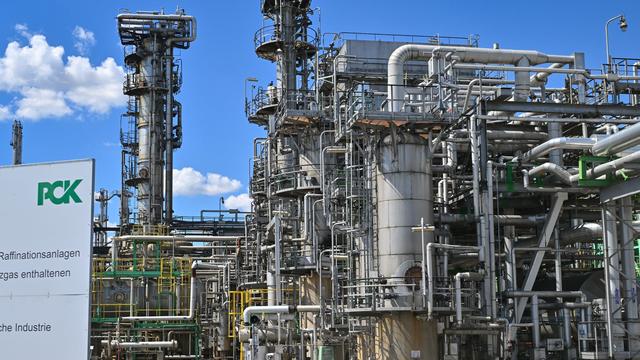
A potential disruption looms over European energy supplies as Kazakhstan has indicated that oil transport to Germany through the vital Druzhba pipeline may cease starting in May. While official confirmation from Russia is pending, Kazakh officials, citing unofficial sources, have confirmed the impending halt. According to Kazakhstan's Energy Minister, Yerlan Akkenzheynov, Russia has allocated zero transit capacity for Kazakh oil via the pipeline, with unofficial reasons suggesting technical impediments. This development raises concerns, particularly given the refinery in Schwedt, Germany, which relies on Kazakh oil delivered through this route.
But according to unofficial sources, we know that this is true.
Minister Akkenzheynov speculated that the technical issues might be connected to recent attacks on Russian infrastructure, a sentiment that hints at broader geopolitical tensions impacting energy flows. However, he assured that Kazakhstan is not planning to reduce its oil production and is actively exploring alternative distribution channels. This proactive stance aims to mitigate the impact of any potential transit halt and ensure the continued flow of its oil resources.
Russia has planned the transit of oil from Kazakhstan via the Druzhba pipeline and further to the Schwedt plant in Brandenburg with zero capacity.
Meanwhile, Rosneft Germany, the German subsidiary of Russian oil giant Rosneft, is reportedly assessing the situation. Having received notification from its Kazakh partners about potential transport difficulties, the company is investigating options for securing alternative supplies to maintain the PCK refinery's production levels. A spokesperson for Rosneft Germany emphasized that the situation is not insurmountable and that they are thoroughly examining the potential consequences. The Kremlin, for its part, has remained tight-lipped, with spokesperson Dmitry Peskov stating that they have no information on the matter and directing inquiries to the involved companies. This situation highlights the intricate web of energy dependencies and the vulnerability of critical infrastructure in the current geopolitical climate.
Unofficially, Russia has explained this by saying that the technical possibilities for transporting oil from Kazakhstan are not available.
DistantNews Editorial
Originally published by Die Zeit in German. Translated, summarized, and contextualized by our editorial team with added local perspective. Read our editorial standards.
More Stories



From Our Blog

What Gets Lost (and Found) When News Is Translated

How the Same Story Looks Different in Different Countries

The Critical Role of Diaspora Media in Global News

What Travellers Should Know About Countries with Restricted Press

A Digital Nomad's Guide to Following Local News
