


Kazakhstan's First Kurultai Campaign Focuses on Policy Priorities Through Debates
Translated from English, summarized and contextualized by DistantNews.
At a glance
News
Named sources
New plan
- Kazakhstan's first campaign for the new Kurultai features televised debates among seven registered political parties.
- Debates cover a range of policy priorities including education, economic growth, and social policy.
- The campaign highlights differing party emphasis on similar concerns, with upcoming elections on Aug. 23.
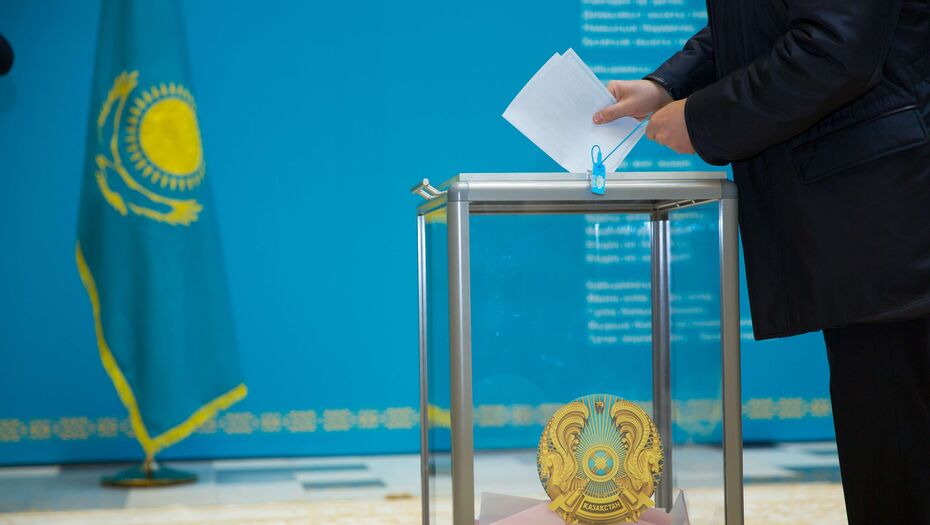
Kazakhstan's inaugural campaign for its new Kurultai has ignited a national political debate, bringing all seven registered political parties into the spotlight. Televised discussions and public meetings are actively showcasing their distinct policy priorities ahead of the Aug. 23 vote.
The campaign has heavily emphasized televised debates, with representatives from all seven parties participating in discussions broadcast across multiple channels. These forums have tackled diverse topics, from education and human capital development to economic growth and social policy. A key moment was the final debate on Aug. 19, which convened all party leaders to discuss how economic prosperity could translate into improved living standards for citizens.
This format has provided party leaders a platform to present their programs, challenge opponents, and respond directly to questions, fostering a space for substantive political competition. Zhanar Bukanova, Deputy Chairperson of the Kazakhstan Institute for Public Development’s SARAP Expert Club, described the televised debates as crucial for open discussion, expanding voter access to information, and promoting meaningful political engagement. She noted, however, that elections are not the end of the process, emphasizing the need for continued dialogue between the state, parties, civil society, and experts after the vote.
Economic and social matters have dominated the campaign discourse, with employment, household incomes, education, healthcare, social protection, entrepreneurship, and regional development frequently appearing in party platforms. While parties often identify similar concerns, they diverge significantly in their emphasis and proposed solutions. For instance, the Auyl Party focuses on agriculture and regional development, Ak Zhol champions entrepreneurship, the Baytaq Green Party centers on environmental issues, and the People’s Party of Kazakhstan and Nationwide Social Democratic Party prioritize social policy. Adilet offers a broad program encompassing law and order, digitalization, and economic competitiveness.
At the same time, elections are not the final point of the socio-political process. After voting is completed, responsibility to society only increases. It is important that the initiatives voiced during the campaign and the demands of citizens find their continuation in concrete decisions. Therefore, after the elections, it is also important to maintain dialogue between the state, political parties, civil society and experts.
DistantNews Editorial
Originally published by The Astana Times in English. Translated, summarized, and contextualized by our editorial team with added local perspective. Read our editorial standards.
More Stories


From Our Blog

What Gets Lost (and Found) When News Is Translated

The Critical Role of Diaspora Media in Global News

What Travellers Should Know About Countries with Restricted Press

A Digital Nomad's Guide to Following Local News

How the Same Story Looks Different in Different Countries
