


Kazakhstan's First Kurultai Focuses on Legislative Modernization and Institutional Reform
Translated from English and summarized by DistantNews. Read the original for the full story.
At a glance
News
Sources not specified
New plan
- Kazakhstan's first Kurultai convened on Aug. 28, with President Kassym-Jomart Tokayev setting a legislative and institutional reform agenda.
- The Kurultai, granted broader powers under the new constitution, will focus on modernizing legislation, improving lawmaking quality, and strengthening checks and balances.
- Key tasks include updating laws, appointing judicial and electoral officials, and potentially using AI for legislative analysis.
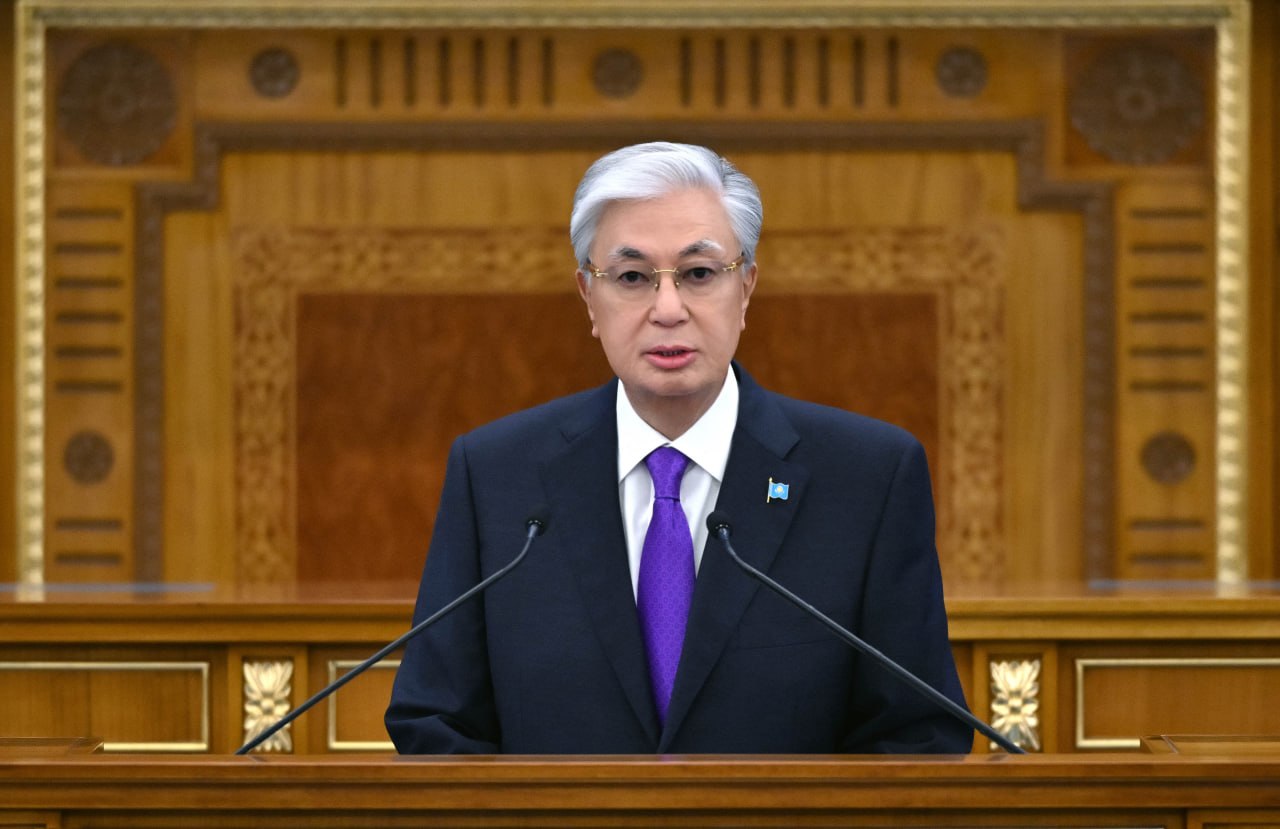
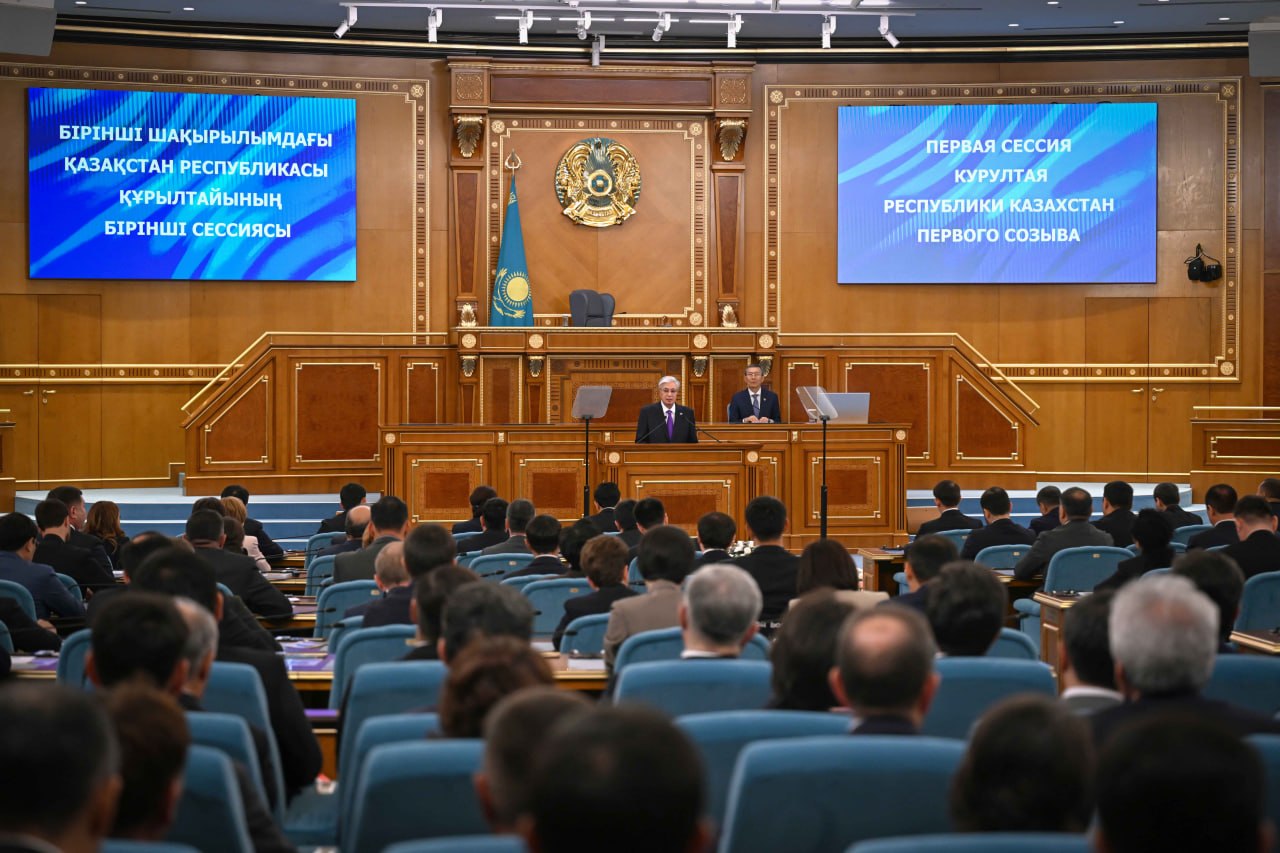
Kazakhstan's newly established Kurultai convened for its inaugural session on August 28, marking a significant step in the nation's institutional transformation. President Kassym-Jomart Tokayev addressed the deputies, laying out a comprehensive agenda centered on legislative modernization and strengthening the country's governance system.
The beginning of the Kurultai’s activities gives a start to fundamental institutional changes in the system of public administration, since this body plays an important role in shaping the system of government.
Tokayev emphasized that the Kurultai, empowered by the new constitution, will play a pivotal role in shaping Kazakhstan's government. Its expanded responsibilities include participating in the appointment of Constitutional Court judges, members of the Central Election Commission, and the Supreme Audit Chamber. Furthermore, deputies will have the authority to appoint and dismiss Supreme Court judges upon the President's proposal, significantly enhancing the legislative branch's influence and reinforcing the system of checks and balances between government branches.
Thus, we have significantly strengthened the influence of the legislative body. This means strengthening the system of checks and balances between the branches of government.
A primary task for the Kurultai is the comprehensive review and update of Kazakhstan's existing legislation to align with constitutional principles. President Tokayev urged deputies to ensure laws are "fair, understandable to people and progressive," and to address legal gaps through stronger scrutiny of draft laws. He also encouraged the broader use of artificial intelligence in legislative analysis to improve efficiency and mitigate corruption risks, while stressing that digital tools should complement, not replace, professional legal expertise.
Lawmaking is a very responsible job. Laws must be fair, understandable to people and progressive, that is, meet modern requirements.
Erlan Karin, First Deputy Head of the Presidential Administration, described the Kurultai's launch as the beginning of a "complete institutional reboot of the political system," signaling a transition to a "more dynamic and open state-political model." The development of an e-Parliament information system is underway to support these modernization efforts by identifying legal risks and integrating digital services.
With the beginning of Kurultai’s work, a complete institutional reboot of the political system is beginning. This will ensure the final transition to a new, more dynamic and open state-political model.
About this summary
Originally published by The Astana Times in English. Translated, summarized, and contextualized automatically by DistantNews, with a note on how the source frames the story. Not individually reviewed before publishing. How this works.
More Stories


From Our Blog

What Gets Lost (and Found) When News Is Translated

The Critical Role of Diaspora Media in Global News

What Travellers Should Know About Countries with Restricted Press

A Digital Nomad's Guide to Following Local News

How the Same Story Looks Different in Different Countries
