

Kelantan Not Planning to Implement Work-From-Home Policy
Translated from Malay, summarized and contextualized by DistantNews.
TLDR
- The Kelantan State Government is not currently planning to implement a work-from-home (WFH) policy for its employees.
- The decision is based on a review of current needs and the experiences of other entities that have adopted WFH.
- The matter has not yet been discussed by the Kelantan State Executive Council.
The Kelantan State Government has announced that it has no immediate plans to introduce a work-from-home (WFH) policy for its civil servants. This decision reflects a cautious approach, prioritizing a thorough assessment of the policy's feasibility and potential impact within the state's specific context. Unlike some other jurisdictions that have rapidly embraced remote work, Kelantan appears keen to observe and learn from the experiences of those who have already implemented such measures.
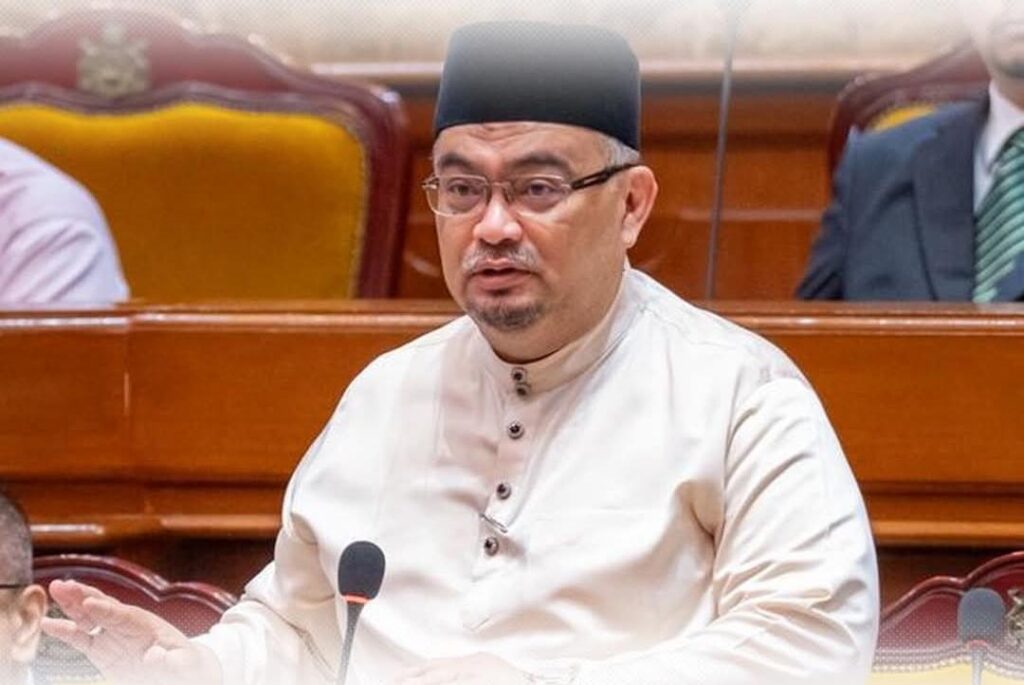
Deputy Menteri Besar Datuk Dr. Mohamed Fadzli Hassan stated that the WFH policy has not yet been a subject of discussion within the Kelantan State Executive Council. This indicates that any potential adoption of WFH would require significant deliberation and consensus among the state's leadership. The government's stance suggests a preference for traditional working models unless a compelling need or proven benefit for WFH is established through careful study and observation.
The government's decision to hold off on implementing WFH is likely influenced by a desire to ensure that productivity and service delivery are not compromised. By examining the performance of organizations that have adopted remote work, Kelantan aims to avoid potential pitfalls and ensure that any future policy aligns with the state's operational requirements and public service standards. This measured approach prioritizes stability and efficiency in public administration.
While the article does not delve into the specific reasons for this cautious stance, it is plausible that factors such as the nature of public service roles in Kelantan, existing infrastructure, and the state's unique socio-economic landscape play a role. The government's commitment to 'meneliti keperluan semasa' (examining current needs) and 'melihat pengalaman pihak-pihak yang telah melaksanakannya' (observing the experiences of those who have implemented it) signals a responsible and evidence-based approach to policy-making.
DistantNews Editorial
Originally published by Utusan Malaysia in Malay. Translated, summarized, and contextualized by our editorial team with added local perspective. Read our editorial standards.
More Stories

From Our Blog

What Gets Lost (and Found) When News Is Translated

The Critical Role of Diaspora Media in Global News

What Travellers Should Know About Countries with Restricted Press

A Digital Nomad's Guide to Following Local News

How the Same Story Looks Different in Different Countries
