

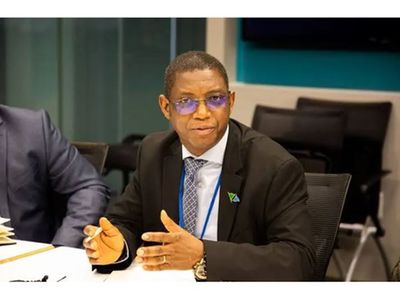
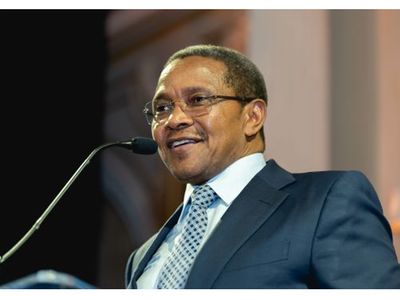
Kikwete: Infrastructure should transform lives, not merely economies
Summarized and contextualized by DistantNews.
At a glance
News
Named sources
Context piece
- Former Tanzanian President Jakaya Kikwete urged African nations to focus on education and digital skills alongside infrastructure development.
- He stressed that infrastructure's true value lies in creating jobs and improving livelihoods, not just economic metrics.
- Kikwete warned that Africa's growing youth population could be a challenge if not equipped with relevant skills for the future of work, particularly in AI and digital technologies.
Former Tanzanian President Jakaya Kikwete has called on African countries to prioritize education, digital skills, and artificial intelligence (AI) in their development strategies, asserting that infrastructure alone will not drive the continent's transformation.
For many years, infrastructure development has been measured by the number of kilometres of roads built, megawatts of electricity generated, pipelines laid, ports expanded or people connected to the internet. But the real measure should be the opportunities created through those investments, including jobs generated, skills developed, businesses enabled and lives transformed.
Speaking at the Infra for Africa Forum in Dar es Salaam, Kikwete argued that the success of infrastructure projects, such as roads, railways, and digital networks, should be measured by their ability to generate employment and enhance the quality of life for citizens, rather than merely by the number of projects completed or economic output.
With Africa's youthful population projected to constitute over a quarter of the global working-age population by 2050, Kikwete highlighted the critical need to equip young people with quality education and relevant skills. He cautioned that this demographic advantage could become a significant challenge if the youth are not integrated into the evolving world of work, which is increasingly shaped by AI and digital technologies.
By 2030, Africa will have more than 230 million jobs requiring digital skills. Countries across the continent must ensure young people acquire the knowledge needed to meet that demand.
Kikwete emphasized that the primary challenge is not just unemployment, but a growing skills gap. He urged African governments to proactively invest in the necessary skills and innovation to become active participants in the global digital economy. This includes fostering local talent in fields like engineering, research, data analytics, and digital product development, ensuring that African youth are creators, not just consumers, of technology.
African youth should not remain consumers of technologies developed elsewhere. They must participate in building their own digital platforms, own technological innovation and compete in high-value fields such as engineering, research, data analytics and digital product development.
DistantNews Editorial
Originally published by The Citizen. Summarized and contextualized by our editorial team with added local perspective. Read our editorial standards.
More Stories



From Our Blog

What Gets Lost (and Found) When News Is Translated

The Critical Role of Diaspora Media in Global News

What Travellers Should Know About Countries with Restricted Press

A Digital Nomad's Guide to Following Local News

How the Same Story Looks Different in Different Countries
