

KMT leader says Taiwan can preserve peace by avoiding ‘de jure independence’
Summarized and contextualized by DistantNews.
At a glance
News
Official statement
Context piece
- Taiwan's main opposition leader, Cheng Li-wun, stated that cross-strait peace depends on Taipei avoiding "de jure independence".
- She emphasized the importance of a credible military deterrent and sincere dialogue for preventing conflict.
- Cheng's remarks were made during a seminar at Harvard University while visiting the United States.
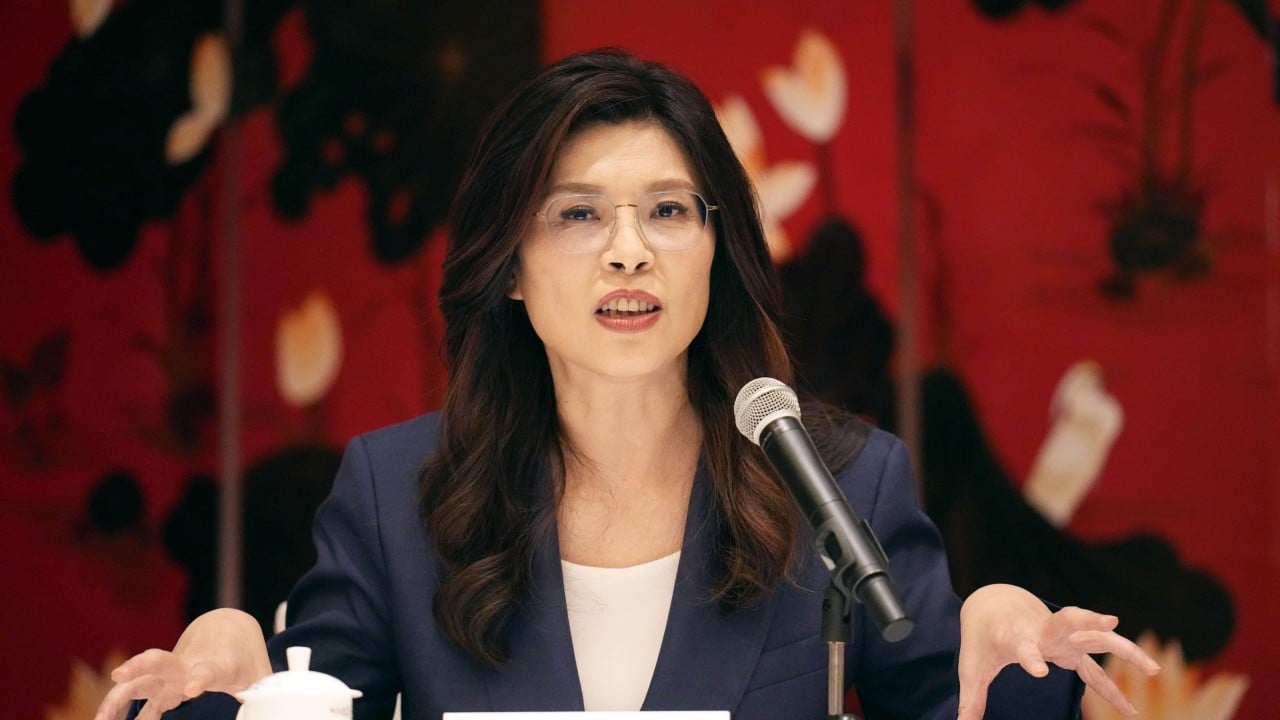
Taiwan's main opposition leader, Cheng Li-wun, asserted that peace across the Taiwan Strait hinges on Taipei refraining from pursuing "de jure independence." Speaking at a closed-door seminar at Harvard University's John F. Kennedy School of Government, Cheng described cross-strait stability as a shared interest with the U.S. and the region.
Cheng, chairwoman of the Kuomintang (KMT), stated that peace could be maintained as long as Taiwan does not cross the "red line" of de jure independence. She also highlighted the necessity of both a "credible military deterrent" and a "smooth and sincere framework for dialogue" to prevent conflict, according to a KMT statement.
peace and stability across the Taiwan Strait, which she described as the greatest common denominator with US and regional interests, could be sustained “as long as Taiwan does not cross the red line of ‘de jure independence’”.
Beijing considers Taiwan a part of China and aims for reunification, by force if necessary. While most nations, including the U.S., do not formally recognize Taiwan as an independent state, Washington opposes any forceful change to the status quo and supplies Taiwan with defensive weaponry. De jure independence typically refers to the legal assertion that Taiwan and mainland China are separate countries.
A “credible military deterrent” and “a smooth and sincere framework for dialogue” were both important to preventing conflict
DistantNews Editorial
Originally published by South China Morning Post. Summarized and contextualized by our editorial team with added local perspective. Read our editorial standards.
More Stories

From Our Blog

Countries Without a Free Press: What You Need to Know

What Press Freedom Means for the News You Read

What Gets Lost (and Found) When News Is Translated

The Critical Role of Diaspora Media in Global News

What Travellers Should Know About Countries with Restricted Press
