

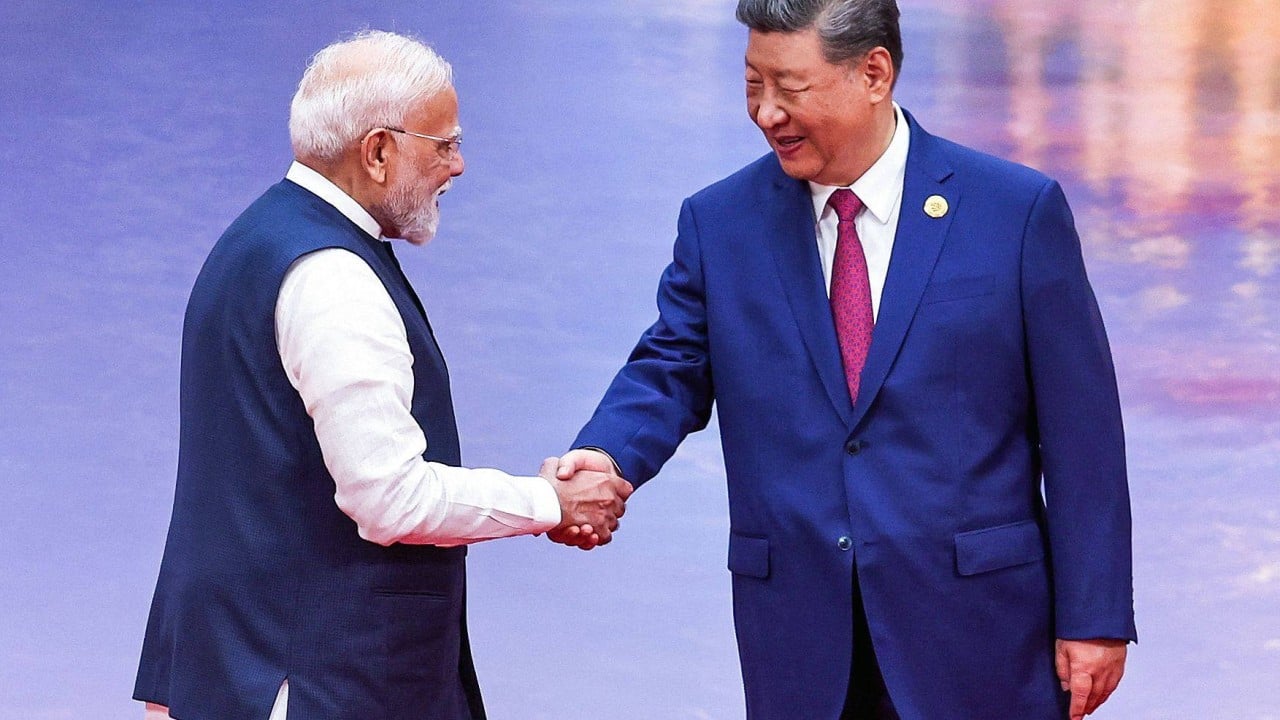

Trump has buried liberal world order but what comes next could be better
Summarized by DistantNews. Read the original for the full story.
At a glance
Analysis
Sources not specified
Context piece
- Donald Trump's presidency challenged the traditional US-led liberal international order, shifting towards a more transactional and sovereignty-centered foreign policy.
- This shift has weakened transatlantic ties and made a return to old-style liberal internationalism less credible, even if Trump were no longer in office.
- The rise of multipolarity and hedging by middle powers creates an opportunity for the US and China to establish a framework of coexistence and managed competition, potentially avoiding conflict.
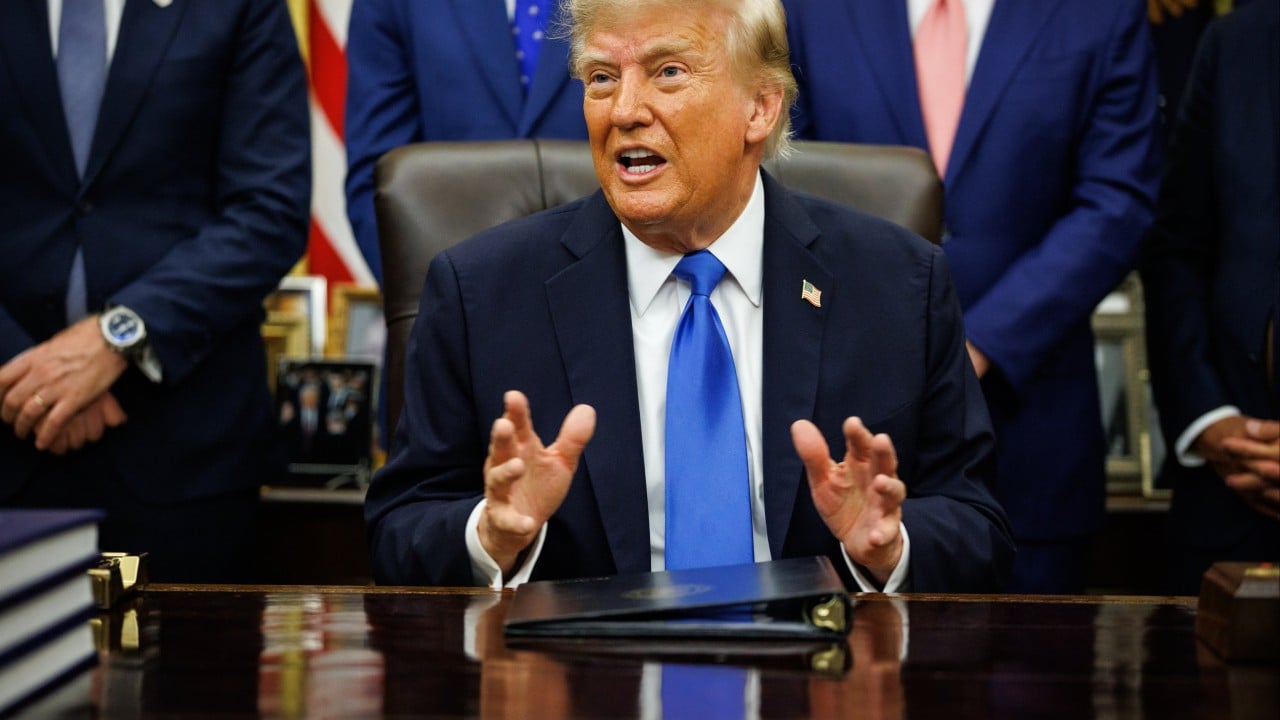
Donald Trump's two terms in office have significantly disrupted the established liberal internationalist order, ushering in a more transactional and sovereignty-focused U.S. foreign policy. This approach, characterized by its emphasis on tariffs, alliance burden-sharing, and skepticism towards global institutions, has altered the narrative of American power serving a universal project.
The impact of Trump's presidency is particularly evident in the transatlantic partnership. His administration's criticisms of Europe's defense capabilities and political involvement have eroded the notion of the Atlantic alliance as the undisputed core of global order. Consequently, Europe is now reassessing its global role and pursuing strategic autonomy in a world less defined by U.S.-led blocs.
The current global landscape is increasingly multipolar, with middle powers hedging their bets and regional institutions gaining importance. Countries in the Global South are resisting alignment with fixed ideological camps. This evolving dynamic presents a potential opening for the United States and China to move beyond ideological confrontation and establish a framework for coexistence, strategic stability, and managed competition, thereby avoiding the pitfalls of the Thucydides Trap.
About this summary
Originally published by South China Morning Post. Summarized and contextualized automatically by DistantNews, with a note on how the source frames the story. Not individually reviewed before publishing. How this works.
More Stories


From Our Blog

Countries Without a Free Press: The 2026 List and What It Means for Readers

What Press Freedom Means for the News You Read

News in Translation: What Gets Lost, and How We Keep the Framing

Diaspora Media: How Communities Abroad Follow Home

Traveling Where the Press Is Not Free: How to Read the News There
