

Kosovo's PM Kurti: 'Putin could use Serbia as a pawn'
Translated from German, summarized and contextualized by DistantNews.
At a glance
Interview
Named sources
Context piece
- Kosovo's Prime Minister Albin Kurti states that parliamentary elections were "imposed" on his party, Vetevendosje, despite it emerging as the strongest force.
- Kurti attributes the election necessity to the opposition's refusal to agree on a president, despite his party's attempts at consensus-building and coalition offers.
- He emphasizes Kosovo's progress in economic growth and democracy, while acknowledging that political issues, including the presidential election deadlock, damage its image and hinder EU integration.
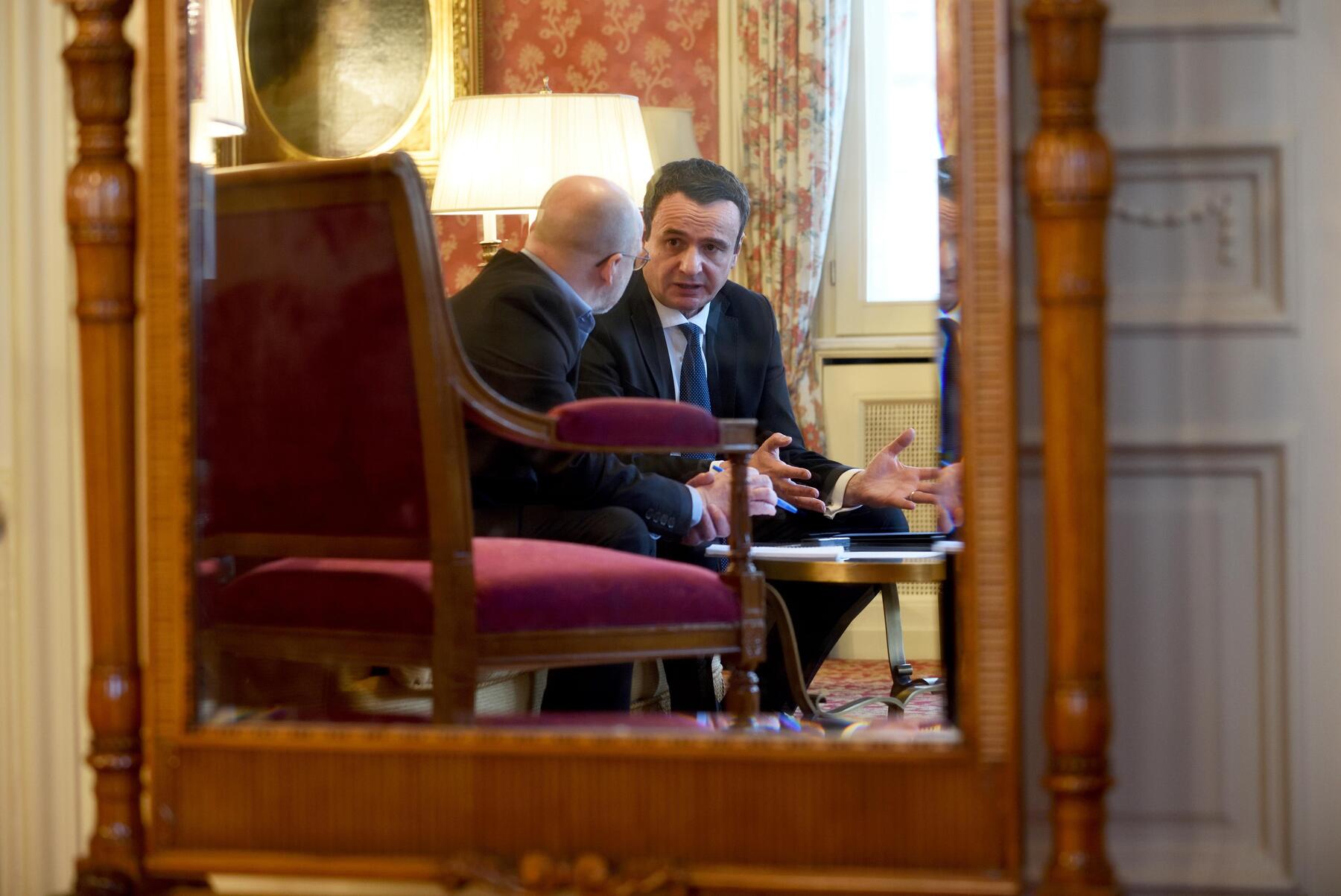
Kosovo's Prime Minister Albin Kurti described the recent parliamentary elections as "imposed" upon his Vetevendosje party, even as it secured a leading position for the fifth time in seven years. Kurti stated that the elections were not desired but were necessitated by the opposition's persistent refusal to agree on the election of a state president. He detailed his party's efforts to find a consensus, including offering coalition partnerships and proposing candidates from both opposition parties and civil society, all of which were reportedly rejected.
Kurti explained that the ongoing political deadlock over the presidential election has paralyzed Kosovo and risks forcing another parliamentary election in the autumn if a solution is not found. He acknowledged that this political instability negatively impacts Kosovo's image, particularly concerning its aspirations for European Union integration. Despite these internal challenges, Kurti highlighted Kosovo's economic achievements, including a four percent GDP growth and doubled exports, and its strong performance in democracy and human rights indices within the Balkans.
Kosovo submitted its EU membership application in December 2022 and is awaiting candidate status and the commencement of accession negotiations. Kurti expressed readiness for this process, though he recognized the obstacle posed by five EU member states, Spain, Slovakia, Romania, Greece, and Cyprus, that do not recognize Kosovo's statehood. He indicated that Kosovo is actively working to address these concerns and gain recognition from all EU members.
DistantNews Editorial
Originally published by Die Presse in German. Translated, summarized, and contextualized by our editorial team with added local perspective. Read our editorial standards.
More Stories


From Our Blog

What Gets Lost (and Found) When News Is Translated

The Critical Role of Diaspora Media in Global News

What Travellers Should Know About Countries with Restricted Press

A Digital Nomad's Guide to Following Local News

How the Same Story Looks Different in Different Countries
