


Kotka Fishermen Grapple with EU's Digital Demands
Translated from Finnish, summarized and contextualized by DistantNews.
TLDR
- Three elderly fishermen in Kotka are struggling to adapt to new EU regulations requiring real-time digital record-keeping of catches.
- The new rules, implemented in January, have introduced a mandatory digital logbook system that is proving difficult for the fishermen to use.
- Challenges include opening the required software and entering data, highlighting a generational and technological gap in the fishing industry.
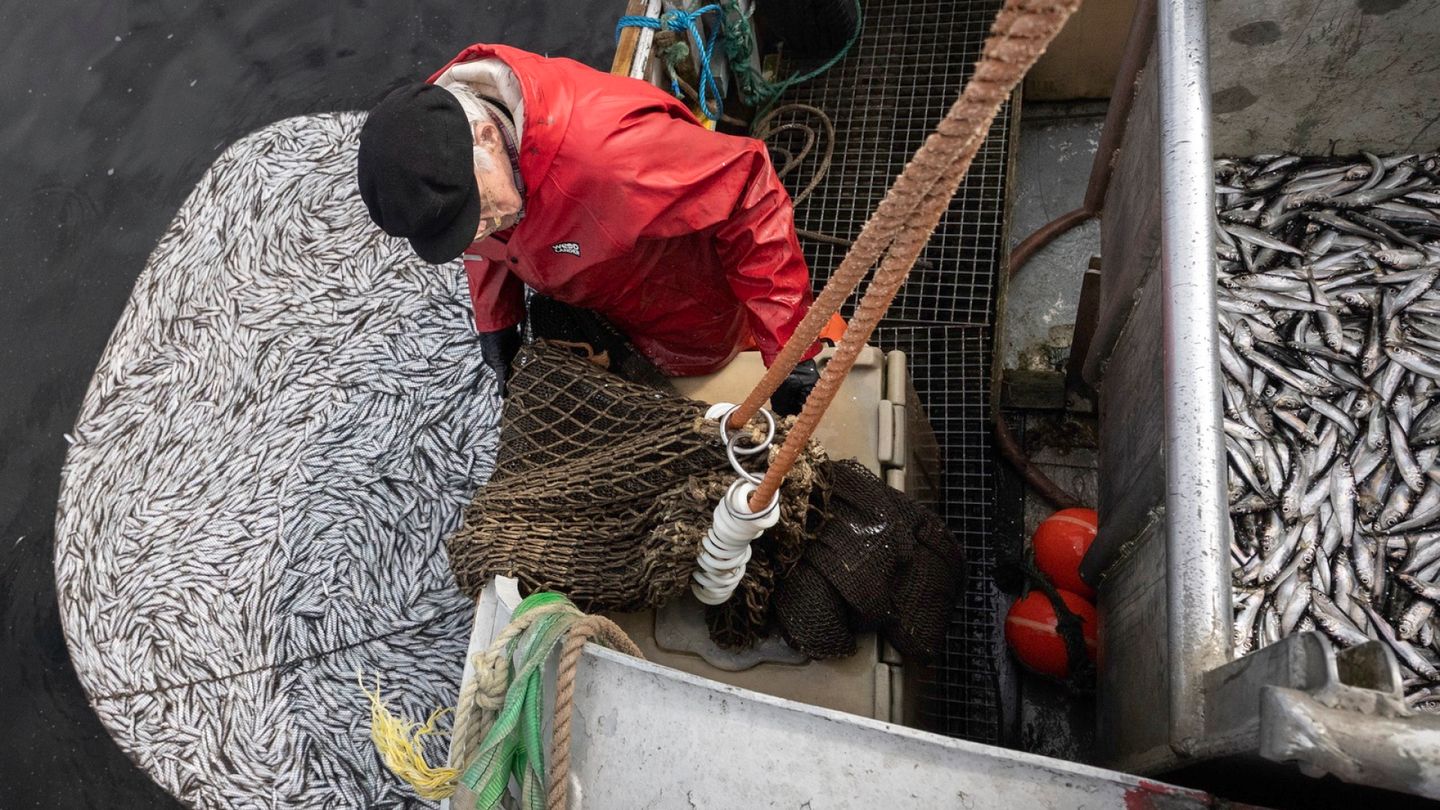
In the heart of Kotka, a town deeply connected to the sea, a quiet struggle is unfolding. Holger Sjögren, 86, and his fellow fishermen, Hannu Hedin, 74, face a new adversary not from the waves, but from Brussels: the European Union's digital bureaucracy. The recent implementation of EU regulations demanding real-time digital record-keeping of catches has thrown a wrench into the daily operations of these seasoned seafarers.
For generations, these men have relied on their knowledge of the sea and their craft. Now, they find themselves grappling with laptops and software that seem more alien than any foreign port. The image of Sjögren meticulously sorting his catch, only to be confronted by a recalcitrant computer system, is a poignant symbol of the challenges faced by traditional industries in an increasingly digitized world.
Helsingin Sanomat understands that adapting to new technologies is crucial for progress, but we also recognize the human element. These are not just numbers on a screen; these are livelihoods, traditions, and the legacy of a community built around fishing. The frustration of not being able to simply start their journey because the program won't open, or struggling with passwords, is a tangible barrier.
While international news might frame this as a simple compliance issue, from our perspective in Finland, it's a stark reminder of how quickly regulations can outpace the realities on the ground. We see the dedication of these fishermen, their willingness to learn, but also the inherent difficulties when the digital world clashes with decades of practical experience. It raises questions about how such transitions are managed and whether sufficient support is provided to those most affected, ensuring that the future of our maritime heritage is not lost in a sea of digital demands.
DistantNews Editorial
Originally published by Helsingin Sanomat in Finnish. Translated, summarized, and contextualized by our editorial team with added local perspective. Read our editorial standards.
More Stories

From Our Blog

What Gets Lost (and Found) When News Is Translated

The Critical Role of Diaspora Media in Global News

What Travellers Should Know About Countries with Restricted Press

A Digital Nomad's Guide to Following Local News

How the Same Story Looks Different in Different Countries
