


KPK: Corruption in Indonesia Has Become an Ecosystem
Translated from Indonesian, summarized and contextualized by DistantNews.
TLDR
- The Corruption Eradication Commission (KPK) in Indonesia states that corruption has evolved into a complex ecosystem, particularly with the emergence of 'circles' that facilitate illicit financial flows.
- These 'circles,' comprising family, trusted associates, or political colleagues, play various roles from planning to concealing and distributing corrupt proceeds.
- KPK data shows 1,904 individuals convicted of corruption between 2004 and 2025, emphasizing the need to dismantle these networks beyond just targeting primary perpetrators.
The Indonesian Corruption Eradication Commission (KPK) has sounded a grave alarm, describing corruption in the country not as isolated incidents, but as a deeply entrenched 'ecosystem.' This alarming assessment, particularly the rise of 'sirkel' or circles of complicity, highlights a sophisticated network that goes far beyond the initial perpetrator.
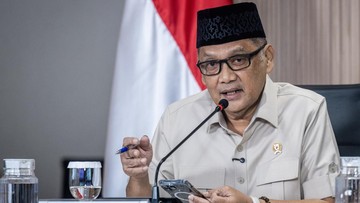
According to KPK Spokesperson Budi Prasetyo, these circles are not merely passive beneficiaries but active participants. They function as layers in the process, involved in the planning, execution, and crucially, the laundering and distribution of funds obtained through corrupt means. This intricate web can involve close family members, trusted confidants, business partners, and even political allies, demonstrating how corruption has permeated various levels of society and influence.
This circle not only plays a role when the corruption modus operandi is carried out, but also often becomes a layering or layer in receiving money and disguising and channeling money from alleged criminal acts of corruption.
Examples from Pekalongan, Bekasi, Tulungagung, and Riau illustrate the diverse roles these circles play. In some cases, core family members directly benefit from illicit gains. In others, trusted individuals act as intermediaries for fund collection and transfer. The Bea Cukai (Customs) case further exemplifies a multi-layered scheme involving safe houses and the use of colleagues' names to obscure the flow of money. This systemic nature suggests that tackling corruption requires a holistic approach, dismantling the entire network rather than focusing solely on the main actors.
From an Indonesian perspective, this revelation is deeply concerning, underscoring the pervasive challenge faced by the KPK. The notion of corruption as an 'ecosystem' implies a resilience that demands innovative and comprehensive strategies. Strengthening integrity, as Budi Prasetyo emphasizes, must begin at the most fundamental levels – within families, workplaces, and political spheres. The KPK's data, showing a vast majority of perpetrators being male, is a statistic that warrants further examination within the broader societal context of power and influence in Indonesia. The fight against corruption here is not just a legal battle; it's a societal one, requiring a collective commitment to uprooting this deeply embedded system.
Integrity must be strengthened from the closest environment such as family, colleagues, to political networks.
DistantNews Editorial
Originally published by Republika in Indonesian. Translated, summarized, and contextualized by our editorial team with added local perspective. Read our editorial standards.
More Stories


From Our Blog

What Gets Lost (and Found) When News Is Translated

The Critical Role of Diaspora Media in Global News

What Travellers Should Know About Countries with Restricted Press

A Digital Nomad's Guide to Following Local News

How the Same Story Looks Different in Different Countries
