

Krakow's Post-Referendum Reflections: A City in Search of Direction
Translated from Polish and summarized by DistantNews. Read the original for the full story.
At a glance
Analysis
Sources not specified
Context piece
- Kraków's former mayor, Aleksander Miszalski, was recalled in a referendum, leading to the appointment of Stanisław Kracik as interim commissioner.
- The author criticizes the referendum as a triviality and highlights Kraków's deep-seated problems, including debt, overdevelopment, and pollution.
- Kracik, a former Solidarność activist and mayor of Niepołomice, is seen as a capable but aging figure tasked with guiding the city through its challenges.
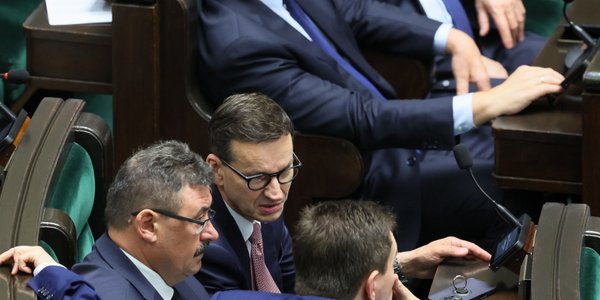
Jerzy Surdykowski reflects on the recent referendum that ousted Kraków's mayor, Aleksander Miszalski, and the subsequent appointment of Stanisław Kracik as interim commissioner. Surdykowski dismisses the referendum as a "triviality," questioning the value of participating in a plebiscite concerning a weak mayoral term that left no significant mark on the city's history.
Now the young right-wing wolves are whimpering in terror: 'we didn't recall Miszalski for his deputy to become commissioner!'
He paints a grim picture of Kraków, describing it as deeply indebted, ravaged by developers, and choked by pollution from both the city and surrounding areas. Surdykowski suggests that Miszalski's downfall stemmed from his inability to effectively address issues that directly impacted residents, such as increased ticket prices and the clean transport zone. He likens the situation to a patient fleeing a dentist's chair, leaving the fundamental problem unresolved and posing the question, "what next?"
Aleksander Miszalski did only what he had to, so he fell on what most affected the residents, which was the increase in ticket prices and the clean transport zone.
The author notes the appointment of Stanisław Kracik, a former deputy mayor and a "Solidarity" generation figure, as a positive aspect. Kracik, who served as mayor of Niepołomice, is described as a man of integrity. However, Surdykowski points out Kracik's age, suggesting he is too old to run for president himself, and laments that such capable individuals from the "second tier" are often unappreciated in modern Poland. He contrasts Kracik's generation, who made difficult choices during challenging times, with the younger right-wing politicians who, he implies, have had easier lives and are now reacting with alarm to Kracik's appointment.
One good thing in all this: the prime minister appointed Stanisław Kracik, the most decent of Miszalski's deputies, as commissioner to govern the city until a new president is elected.
About this summary
Originally published by Rzeczpospolita in Polish. Translated, summarized, and contextualized automatically by DistantNews, with a note on how the source frames the story. Not individually reviewed before publishing. How this works.
More Stories

From Our Blog

What Gets Lost (and Found) When News Is Translated

The Critical Role of Diaspora Media in Global News

What Travellers Should Know About Countries with Restricted Press

A Digital Nomad's Guide to Following Local News

How the Same Story Looks Different in Different Countries
