

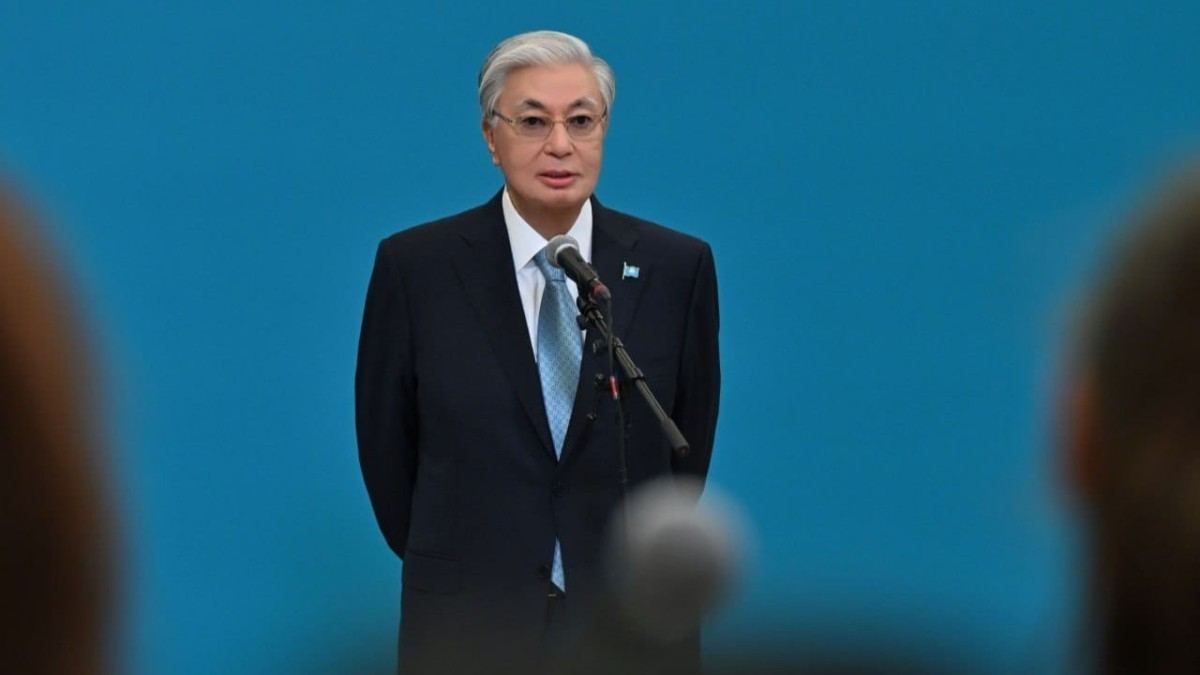

Kurultai Election Results Test Political Parties' Delivery Capabilities
Translated from English, summarized and contextualized by DistantNews.
At a glance
News
Named sources
New plan
- Kazakhstan's first Kurultai election has shifted focus to political parties' ability to deliver results, not just win votes.
- Experts note that Adilet party's dominant majority places significant responsibility on them for the Kurultai's performance.
- Voter turnout was high, indicating increased public engagement in assessing party programs and the political process.
Kazakhstan's inaugural Kurultai election, held on August 23, has fundamentally altered the political landscape, moving the emphasis from electoral victory to the practical performance of political parties. Experts suggest that the election's outcome has placed a heightened responsibility on the parties to effectively represent their constituents, formulate clear political agendas, and achieve tangible results within the parliament.
In other words, everything that will be done by the Kurultai and the institutions stemming from it during its first convocation will rest fully with the Adilet party and its leadership, given the vertical nature of management in Parliament.
The Central Election Commission confirmed the final results on August 25, with five parties successfully clearing the 5% threshold to enter the 145-seat Kurultai. The Adilet party secured a commanding three-quarters of the seats, leading political scientist Gaziz Abishev to observe that "everything that will be done by the Kurultai and the institutions stemming from it during its first convocation will rest fully with the Adilet party and its leadership." This dominant majority signifies that Adilet will bear the primary responsibility for the success of the new legislative body.
Kazakh statesman Yerlan Koshanov highlighted that voters are increasingly evaluating parties based on the substance of their programs rather than mere slogans. He noted that the first Kurultai lawmakers are tasked with translating the principles of the new Constitution into legislation, making "party programs a subject of comparison and analysis." This shift indicates a more discerning electorate, viewing political parties as crucial pillars of civil society.
Party programs became a subject of comparison and analysis, rather than simply a backdrop to the election campaign. People began to understand more deeply the role and place of such an important political institution as a party and to view it as a pillar of civil society.
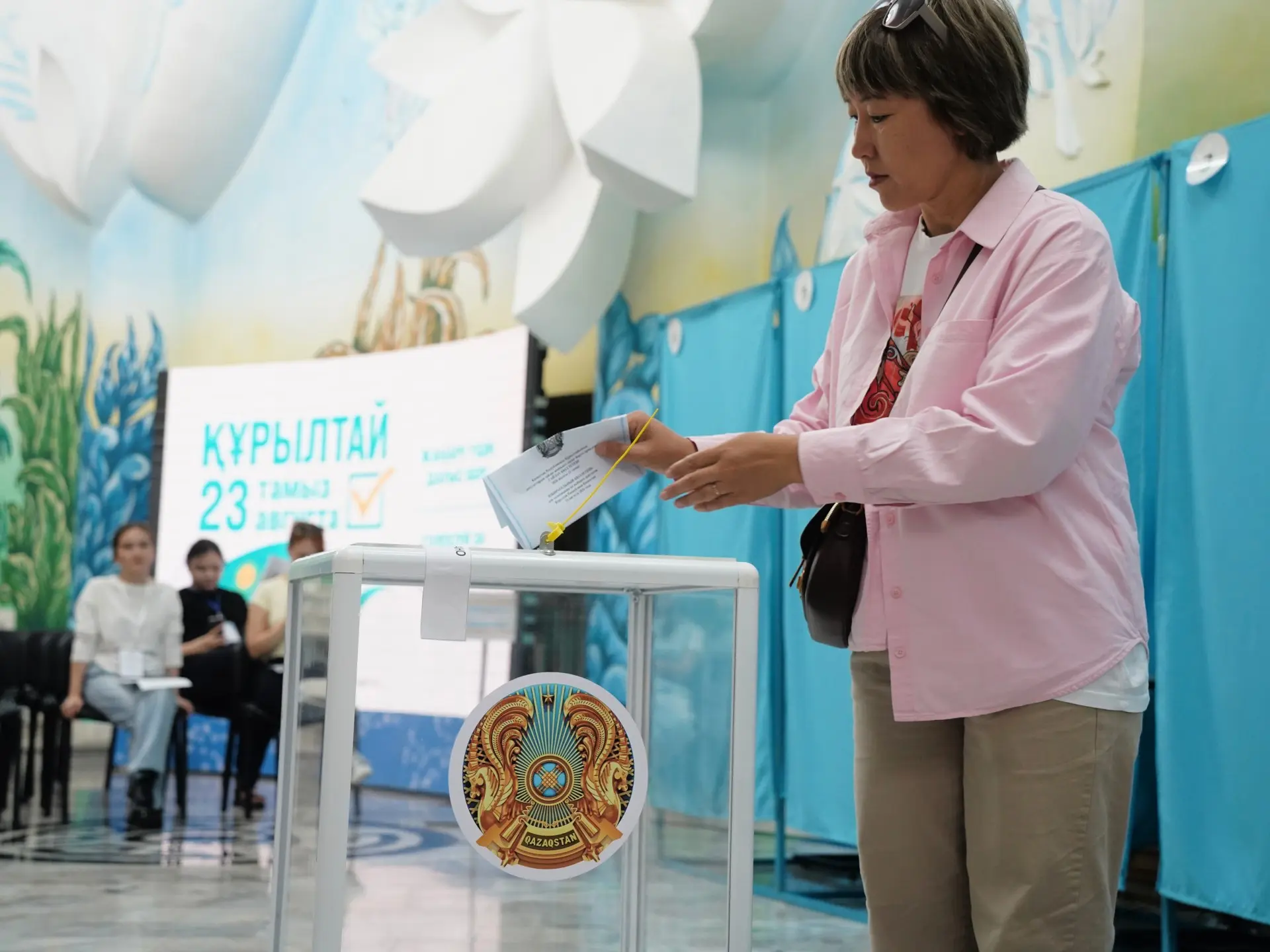
Turnout for the Kurultai election reached 74.08%, a significant increase from the previous parliamentary election's 54.19% and close to the 73.12% recorded in the March referendum on the new Constitution. Marian Abisheva, deputy director of the Presidential Center of Kazakhstan, linked the high participation to a "single political sequence" where citizens first shaped the constitutional framework and then elected the institution to operate within it. The campaign also saw a sharp decline in undecided voters, suggesting a consolidation of voter preferences and a clearer understanding of the political process.
The March referendum and the August elections form a single political sequence. First, citizens participated in determining the state’s new constitutional architecture. Then, several months later, they came to the polling stations to form the first representative institution that will operate within that architecture.
DistantNews Editorial
Originally published by The Astana Times in English. Translated, summarized, and contextualized by our editorial team with added local perspective. Read our editorial standards.
More Stories


From Our Blog

What Gets Lost (and Found) When News Is Translated

The Critical Role of Diaspora Media in Global News

What Travellers Should Know About Countries with Restricted Press

A Digital Nomad's Guide to Following Local News

How the Same Story Looks Different in Different Countries
