


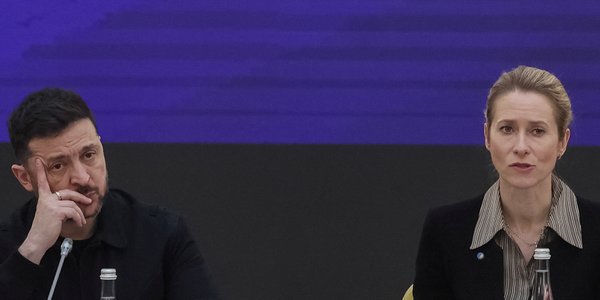
Kyiv wants to join the EU in 2027, but Brussels is holding back. Key capitals say 'no'
Translated from Polish, summarized and contextualized by DistantNews.
TLDR
- Ukraine aims to join the European Union by 2027, but key EU member states like Germany, France, Italy, and the Netherlands are hesitant about accelerated accession.
- These countries fear strengthening populists and the risks associated with national referendums on admitting new members.
- Hungary, under new leadership, also indicated strong opposition, suggesting a referendum if Ukraine's accession is pursued, contrasting sharply with Ukraine's stated goals.
The aspirations of Ukraine to join the European Union by 2027, as championed by President Zelenskyy, face significant headwinds, according to reporting by Rzeczpospolita. While Kyiv pushes for a defined timeline, a coalition of influential EU member states, including Germany, France, Italy, and the Netherlands, are signaling strong reservations about an accelerated accession process. This reluctance stems from a complex mix of concerns, notably the potential empowerment of populist movements within their own borders and the political complexities of navigating national referendums required for admitting new members.
It is impossible for a country at war to be admitted to the EU. Such issues cannot be considered without discussing all negotiation chapters.
Adding to the challenge is the shifting political landscape in Hungary. Péter Magyar, the leader of the Tisza party, has voiced strong opposition, even suggesting a national referendum on the matter. This stance starkly contrasts with Ukraine's optimistic projections and highlights the internal political considerations that EU member states must weigh. While some, like Ukrainian MP Oleksiy Honcharenko, acknowledge that 2027 may be unrealistic, they still see accession within the next few years as more probable, suggesting that the current EU opposition might be influenced by political maneuvering rather than fundamental objections.
If Ukraine does this, then a referendum will be held in Hungary on whether the EU should accept it. But this will certainly not happen in the near future.
From a Polish perspective, as articulated by Rzeczpospolita, the situation is viewed with a degree of realism. While Poland has been a staunch supporter of Ukraine's European integration, we understand the internal dynamics and hesitations within the EU. The process is not merely a matter of Ukraine meeting technical criteria; it involves intricate political negotiations and the consensus-building among 27 member states, each with its own domestic priorities and political calculations. The ongoing conflict with Russia undeniably complicates Ukraine's path, but the core issue remains the EU's internal readiness and political will to accommodate a new, large member state under such challenging circumstances. The differing expectations between Kyiv and Brussels underscore the long and complex road ahead for Ukraine's EU ambitions.
I had no illusions that Ukraine's membership in the EU depends on Hungary. It suited some EU countries to take the position that Orbán took, because in reality it was not solely his position.
DistantNews Editorial
Originally published by Rzeczpospolita in Polish. Translated, summarized, and contextualized by our editorial team with added local perspective. Read our editorial standards.
More Stories



From Our Blog

What Gets Lost (and Found) When News Is Translated

The Critical Role of Diaspora Media in Global News

What Travellers Should Know About Countries with Restricted Press

A Digital Nomad's Guide to Following Local News

How the Same Story Looks Different in Different Countries
