


Labour conference must inspire real change in work culture
Summarized and contextualized by DistantNews.
At a glance
Analysis
Sources not specified
Context piece
- Ghana's Vice President, Professor Jane Nana Opoku-Agyemang, urged workers to adopt positive work habits to boost productivity and national development.
- The National Labour Conference highlighted persistent issues like lateness and absenteeism, which hinder growth.
- The Ghanaian Times emphasized that improving work culture is a shared responsibility involving workers, employers, and the government, and called for sustained social dialogue.
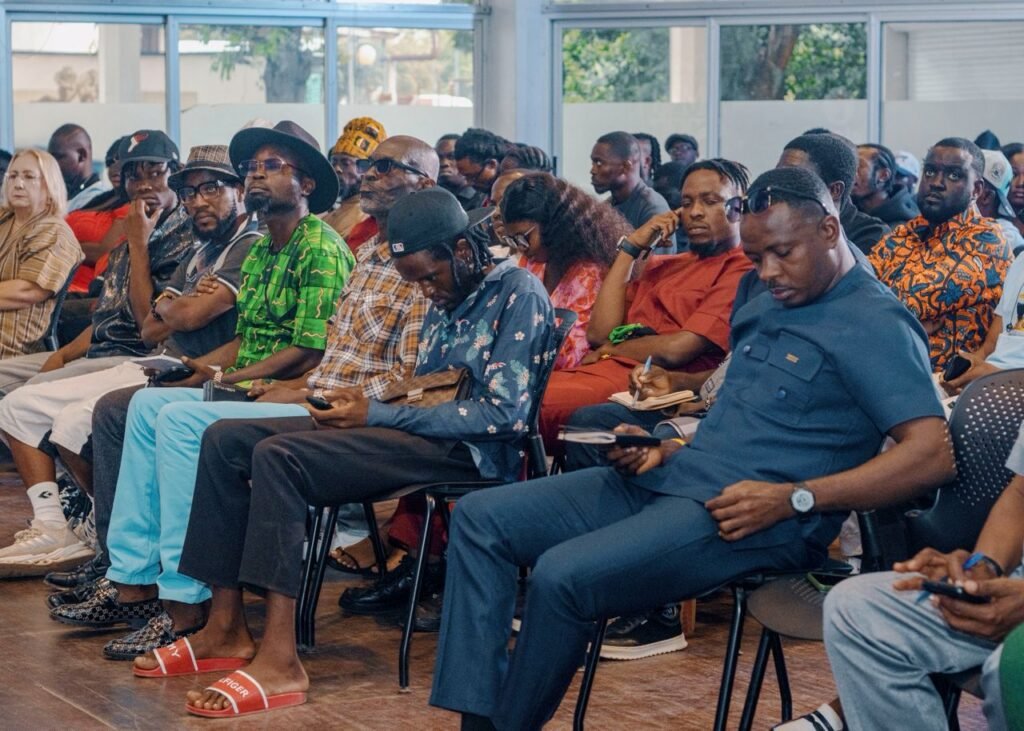
Ghana's Vice President, Professor Jane Nana Opoku-Agyemang, has called for a significant shift in the nation's work culture, urging workers and stakeholders to embrace positive habits to enhance productivity and drive national development. Speaking at the Annual National Labour Conference in Ho, she identified persistent negative practices such as lateness and absenteeism as detrimental to progress.
persistent negative practices such as lateness and absenteeism, describing them as inimical to growth.
The Ghanaian Times views the Vice President's remarks as a crucial wake-up call, highlighting that poor work culture has long constrained Ghana's development. Issues like indiscipline, low commitment, and a lack of accountability undermine efficiency across various sectors. The publication stresses that addressing these challenges is vital for the country to achieve its economic transformation agenda.
However, the responsibility for improving productivity is not solely on workers. The Ghanaian Times argues that employers must foster conducive working environments, enforce standards fairly, and reward excellence. Simultaneously, the government must ensure effective and transparent implementation of policies aimed at boosting productivity. The Vice President's call for innovation and transparency is particularly relevant in today's global economy, where efficiency and creativity are key to competitiveness.
For far too long, poor work culture has been a major constraint on Ghana’s development. Issues such as indiscipline, low commitment and lack of accountability continue to undermine efficiency across sectors.
The conference also underscored the importance of inclusivity, with a call to review labor laws to incorporate the informal sector, which forms the backbone of Ghana's economy. The Ghanaian Times strongly supports this, noting that extending legal protections and representation to informal workers will promote fairness and boost national productivity. Minister for Labour, Jobs and Employment, Dr. Abdul Rashid Pelpuo, also stressed the need for collaboration, stating that development cannot be driven by the government alone and emphasizing the necessity of partnerships among labor organizations and other stakeholders.
Productivity is a shared responsibility. Employers must create conducive working environments, enforce standards fairly and reward excellence. Government, on its part, must ensure that policies aimed at improving productivity are implemented effectively and transparently.
While the conference provided a valuable platform for discussion, the true measure of its success will be in its follow-through. The Ghanaian Times urges all stakeholders to ensure that the outcomes lead to tangible improvements in work culture, moving beyond fine speeches and resolutions to concrete action. Sustained social dialogue is identified as the best approach to address grievances, prevent industrial unrest, and build consensus for national development.
government alone cannot drive development, stressing the need for effective partnerships among labour organisations and other stakeholders.
DistantNews Editorial
Originally published by Ghanaian Times. Summarized and contextualized by our editorial team with added local perspective. Read our editorial standards.
More Stories


From Our Blog

What Gets Lost (and Found) When News Is Translated

The Critical Role of Diaspora Media in Global News

What Travellers Should Know About Countries with Restricted Press

A Digital Nomad's Guide to Following Local News

How the Same Story Looks Different in Different Countries
