


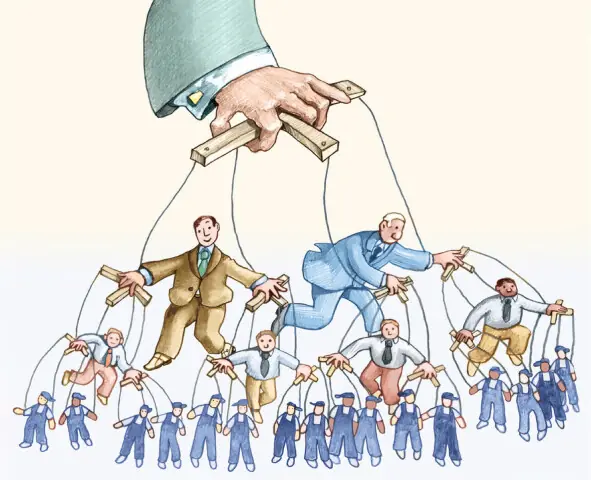
Labour in a changing world
Summarized and contextualized by DistantNews.
At a glance
Analysis
Sources not specified
Context piece
- Pakistan's labor relations landscape has shifted from charismatic, demagogic leaders to a new cadre, though union membership has declined significantly.
- Only about 1% of enterprises have registered unions, with challenges in motivating workers to form new ones.
- Some labor leaders focus on outdated issues like appointment letters, while minimum wage compliance remains a concern for many workers.
The world of work in Pakistan has undergone a significant transformation, moving away from the era of ego-centric labor leaders who relied on demagoguery and intimidation. These older leaders have largely faded, often failing to develop successors and prioritizing narcissism over pragmatism. A new generation of labor leaders has emerged, but they face the daunting task of revitalizing a worker movement that has lost considerable steam, evidenced by a substantial decline in labor unions across the country.
Currently, only about one percent of enterprises in Pakistan have registered unions. While the new cadre of leaders has seen some success in stimulating union formation within the public sector, penetrating individual enterprises remains a major challenge. Federations like the Pakistan United Workers Federation, formed by merging ten moderate federations, represent over a million workers in 637 unions and are among the largest. However, many federations lack the critical mass needed to effectively build movements, register unions, and influence policy in the corridors of power.
Despite the evolving landscape, some labor leaders remain stuck in the past. Their speeches often revolve around a few issues that are largely ignored by employers and, to some extent, the government. A persistent demand is the issuance of appointment letters, which they believe guarantee job security. However, this overlooks the realities of underperformance, hostility, or chronic absenteeism, which can lead to termination regardless of documentation. Courts may reinstate workers, but management resistance often follows.
A more genuine and widespread complaint is the failure of many employers to provide the prescribed minimum wage. While the minimum wage offers essential protection for unskilled workers, setting wages for semi-skilled and skilled labor presents complexities. These wages are typically determined by factors such as skills, productivity, experience, market demand, and industry-specific requirements, making them more appropriately regulated by market dynamics rather than solely by a board-set minimum.
DistantNews Editorial
Originally published by Dawn. Summarized and contextualized by our editorial team with added local perspective. Read our editorial standards.
More Stories

From Our Blog

What Gets Lost (and Found) When News Is Translated

The Critical Role of Diaspora Media in Global News

What Travellers Should Know About Countries with Restricted Press

A Digital Nomad's Guide to Following Local News

How the Same Story Looks Different in Different Countries
