


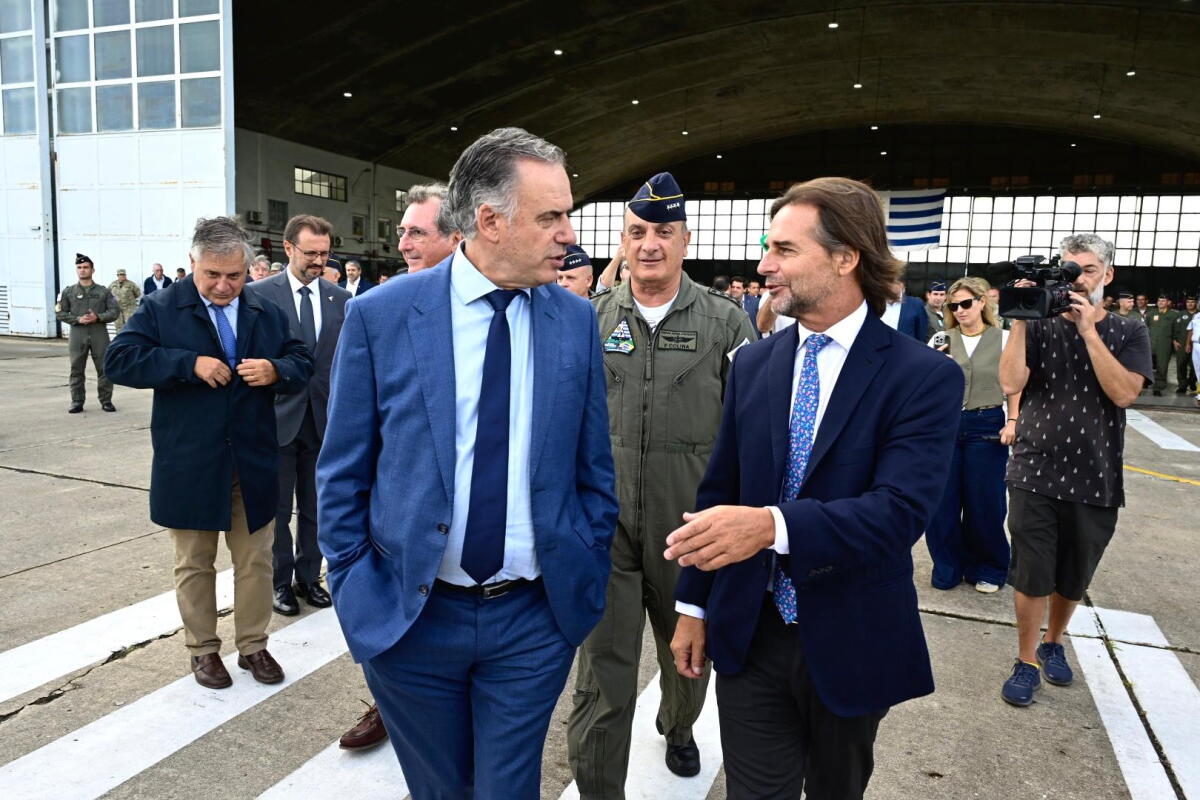
Lacalle Pou leads Uruguayan political leaders in recognition and favorability poll
Translated from Spanish, summarized and contextualized by DistantNews.
At a glance
News
Sources not specified
Context piece
- Luis Lacalle Pou leads a poll of Uruguayan political leaders in terms of recognition and favorability.
- President Yamandú Orsi and Vice President Carolina Cosse also rank highly in recognition.
- The survey indicates that while recognition is high, overall public sympathy for political leaders is not particularly strong.
Former Uruguayan President Luis Lacalle Pou has emerged as the most recognized political leader in the country, according to a new public opinion poll by Equipos Consultores. The survey, conducted in June, found that 99% of the population is aware of Lacalle Pou.
President Yamandú Orsi follows closely with 98% recognition, while Vice President Carolina Cosse is recognized by 95% of the population. Former Vice President Lucía Topolansky is known by 94%. The poll highlights that the top four most recognized figures have all held presidential or vice-presidential roles.
Other prominent politicians with high recognition rates include Álvaro Delgado, president of the National Party's board (90%), senators Pedro Bordaberry and Andrés Ojeda (both 89%), and Guido Manini Ríos, leader of Cabildo Abierto (87%). These individuals, while not having served as president, have been presidential candidates and senators.
When it comes to favorability, Lacalle Pou again leads with 46% of the population expressing sympathy. Orsi and Topolansky are tied for second place with 31% sympathy, followed by Cosse with 24%. However, Ignacio Zuasnabar, director of Equipos, noted that the average level of sympathy for political leaders is not particularly high, suggesting a general lack of strong public appreciation for the political landscape as a whole.
The survey also measured antipathy, with the article indicating that certain politicians generate higher levels of dislike, though specific rankings for antipathy were cut off in the provided text.
The leadership political Uruguayan as a whole is not going through a moment of particular appreciation.
DistantNews Editorial
Originally published by El País in Spanish. Translated, summarized, and contextualized by our editorial team with added local perspective. Read our editorial standards.
More Stories


From Our Blog

What Gets Lost (and Found) When News Is Translated

The Critical Role of Diaspora Media in Global News

What Travellers Should Know About Countries with Restricted Press

A Digital Nomad's Guide to Following Local News

How the Same Story Looks Different in Different Countries
