


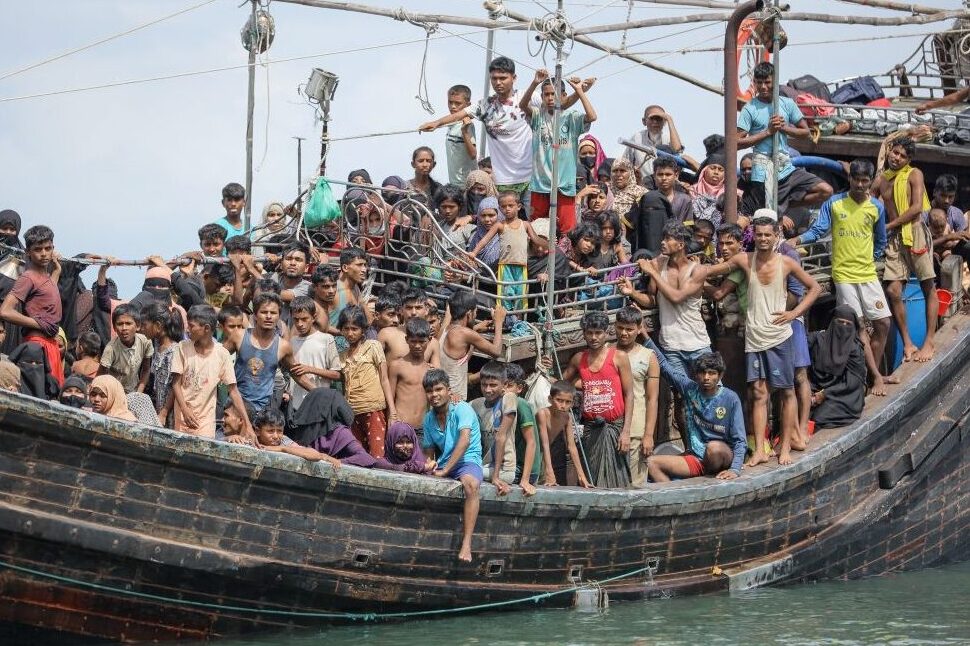
Lack of dedicated housing causes Rohingya refugees to be scattered
Translated from Malay, summarized and contextualized by DistantNews.
At a glance
News
Sources not specified
Context piece
- The lack of dedicated shelters and protection causes Rohingya refugees to be scattered across various Malaysian states.
- Weaknesses in screening and registration by UNHCR allow other ethnic groups to pose as Rohingya refugees.
- Economic pressures and the absence of movement restrictions force Rohingya refugees into informal economic hubs to support their families.
The absence of dedicated settlement centers and protection measures has led to Rohingya refugees being dispersed across multiple states in Malaysia. This situation is exacerbated by deficiencies in the screening and registration processes conducted by the United Nations High Commissioner for Refugees (UNHCR), which has reportedly allowed individuals from other ethnic groups to falsely claim Rohingya identity.
Malaysia does not provide permanent special settlement or protection centers for them after they pass initial screening at immigration detention depots. Economic pressures and the lack of movement restrictions force them to converge in informal economic centers to support their families.
Mohammed Rafique, chairman of the Arakan Rohingya Community Committee (ERCA), explained that economic pressures compel Rohingya refugees to concentrate in economic areas. "Malaysia does not provide permanent special settlement or protection centers for them after they pass initial screening at immigration detention depots. Economic pressures and the lack of movement restrictions force them to converge in informal economic centers to support their families," he stated.
Rafique also noted that a significant number of individuals enter Malaysia illegally via boats and land routes, subsequently posing as refugees to gain protection. He indicated that smuggling syndicates are involved in bringing in economic migrants from Bangladesh and various ethnic groups from Myanmar who are not directly affected by the conflict. "Large-scale illegal entry around 2012 and 2013 worsened the situation when these economic migrants took advantage by imitating our identity," Rafique added.
Large-scale illegal entry around 2012 and 2013 worsened the situation when these economic migrants took advantage by imitating our identity.
He further criticized the lack of a systematic or controlled settlement process after an individual is registered as a refugee. "UNHCR has failed to conduct proper ethnic screening and profiling, resulting in the distribution of refugee cards to the wrong parties. They are simply released into the local market without any movement monitoring or specific settlement arrangements, causing their settlements to be scattered according to their respective community networks," Rafique explained.
UNHCR has failed to conduct proper ethnic screening and profiling, resulting in the distribution of refugee cards to the wrong parties. They are simply released into the local market without any movement monitoring or specific settlement arrangements, causing their settlements to be scattered according to their respective community networks.
DistantNews Editorial
Originally published by Utusan Malaysia in Malay. Translated, summarized, and contextualized by our editorial team with added local perspective. Read our editorial standards.
More Stories


From Our Blog

What Gets Lost (and Found) When News Is Translated

The Critical Role of Diaspora Media in Global News

What Travellers Should Know About Countries with Restricted Press

A Digital Nomad's Guide to Following Local News

How the Same Story Looks Different in Different Countries
