


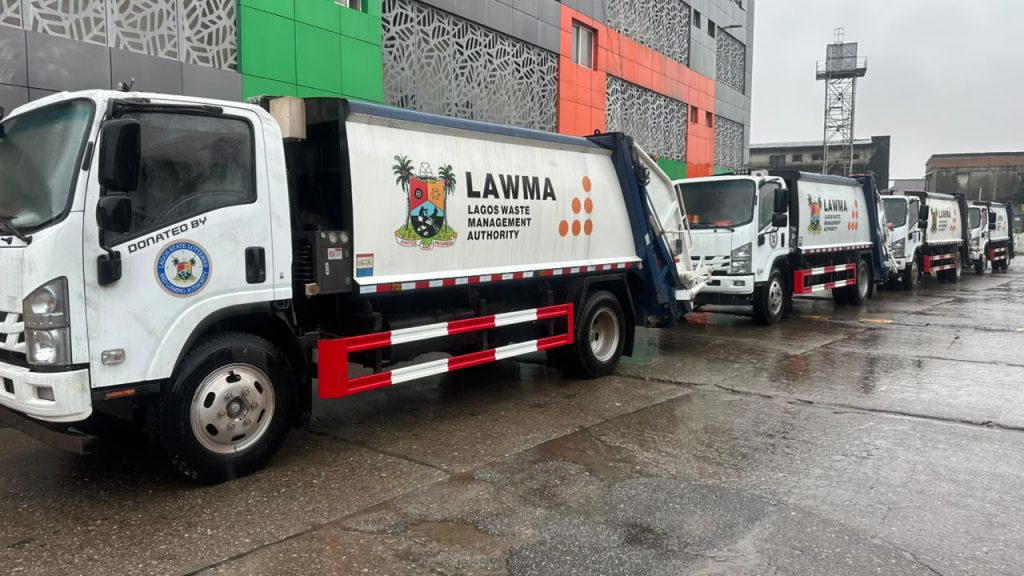
Lagos Implements Sweeping Reforms to End Waste Backlog, Improve Sanitation
Translated from English, summarized and contextualized by DistantNews.
At a glance
News
Sources not specified
Context piece
- Lagos State Waste Management Authority (LAWMA) is implementing major reforms to tackle persistent waste backlogs and improve sanitation.
- The reforms include replacing aging landfills with transfer stations, material recovery facilities, and waste-to-energy plants, aiming to create jobs and a modern system.
- LAWMA also cited poor public compliance with waste disposal regulations as a significant challenge, urging residents to cooperate with licensed operators.
The Lagos Waste Management Authority (LAWMA) is undertaking significant infrastructure, regulatory, and operational reforms to address the persistent waste backlog and enhance environmental sanitation across the state. Dr. Muyiwa Gbadegesin, LAWMA's Managing Director, revealed these initiatives, attributing recent waste accumulation on streets to aging landfill facilities, increased waste generation, heavy rainfall, and inadequate disposal infrastructure.
The challenge is not just population growth. Two of our major disposal sites, Olusosun and Solous III, have reached the end of their operational lives.
Lagos currently generates an estimated 13,000 to 15,000 tonnes of waste daily. Gbadegesin explained that two major disposal sites, Olusosun and Solous III, have reached the end of their operational lives. LAWMA is transitioning to a modern waste management system, replacing conventional dumpsites with Transfer Loading Stations, Material Recovery Facilities, and waste-to-energy plants. These new facilities, including transfer stations at Olusosun and Solous, are designed to handle thousands of tonnes of waste daily, processing it for recycling, composting, or energy generation, with only a small residual amount going to engineered landfills.
We are now carrying out end-of-life operations while transitioning to a more modern waste management system.
The projects are expected to create approximately 5,000 direct jobs and become operational in the first quarter of 2027. LAWMA is also deploying waste-to-energy technologies, such as biodigesters that convert organic waste into biogas for electricity and cooking gas, citing the Ikoyi Fruit Market biodigester as an example.
The organic fraction will become compost or energy, plastics will be recycled into products such as waste bins, while only a small residual fraction will end up in engineered landfills.
Despite these advancements, Gbadegesin highlighted poor public compliance with waste management regulations as a major obstacle. He noted that many households fail to maintain waste bins or subscribe to licensed Private Sector Participation (PSP) operators, creating financial struggles for operators and impacting service delivery. He urged residents to avoid dumping refuse on roadsides when PSP operators face delays, emphasizing the need for resident cooperation to achieve effective sanitation in Lagos.
A significant number of residents are not complying.
DistantNews Editorial
Originally published by Vanguard in English. Translated, summarized, and contextualized by our editorial team with added local perspective. Read our editorial standards.
More Stories



From Our Blog

How the Same Story Looks Different in Different Countries

What Gets Lost (and Found) When News Is Translated

The Critical Role of Diaspora Media in Global News

What Travellers Should Know About Countries with Restricted Press

A Digital Nomad's Guide to Following Local News
