


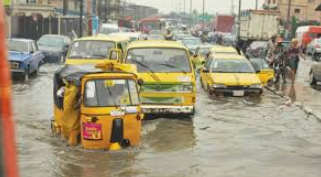
Lagos submerged as floods sack homes, paralyse traffic, halt businesses
Translated from English, summarized and contextualized by DistantNews.
At a glance
News
Sources not specified
Context piece
- Torrential rainfall lasting over 12 hours submerged properties and roads across Lagos, paralyzing traffic and halting business activities.
- Residents and motorists were stranded, with many forced to bail water from their homes and businesses.
- The severe flooding overwhelmed drainage systems, causing widespread disruption and highlighting concerns about the city's perennial flood issues.
Lagos experienced widespread disruption yesterday as over 12 hours of torrential rain submerged homes and roads, bringing commercial activities and vehicular movement to a standstill. The downpour, which intensified throughout Sunday, left motorists and commuters stranded across the metropolis.
Residents scrambled to bail storm water from their homes, while parents kept children from school due to the severity of the flooding. Heavily affected areas included the Lagos-Oshodi Expressway, Abeokuta Expressway, Lekki-Epe Expressway, Victoria Island, Agege, Ikeja, Oworonsoki, and Gbagada. Viral videos showed residents and motorists stuck in floodwaters, with some calling on the state government for intervention.
Many business offices and stalls remained closed, and bus stops were sparsely populated as people sought shelter. The floodwaters overwhelmed drainage channels in low-lying areas, rendering major roads almost impassable. Some motorists abandoned their vehicles, while others sought alternative routes. Pedestrians waded through knee-deep water to reach their destinations.
Commercial activities in areas like Yaba and Oyingbo were significantly impacted, with many shops opening late and residents staying indoors. On Ikeja's roads, several became inaccessible, leading some commercial bus operators to suspend services or increase fares. The recurring nature of the floods, despite ongoing drainage work, has frustrated many residents.
DistantNews Editorial
Originally published by Vanguard in English. Translated, summarized, and contextualized by our editorial team with added local perspective. Read our editorial standards.
More Stories


From Our Blog

How the Same Story Looks Different in Different Countries

What Gets Lost (and Found) When News Is Translated

The Critical Role of Diaspora Media in Global News

What Travellers Should Know About Countries with Restricted Press

A Digital Nomad's Guide to Following Local News
