


Lagos water concession, prepaid meters’ll deepen hardship — CAPPA
Summarized and contextualized by DistantNews.
At a glance
News
Named sources
Context piece
- A Nigerian advocacy group, CAPPA, has warned the Lagos State Government against privatizing public water infrastructure, citing potential hardship for residents.
- CAPPA expressed concerns over a Memorandum of Understanding signed with China Harbour Engineering Company and Naston Engineering Nigeria Limited for water infrastructure development in the Lekki Concession Area.
- The group demands transparency regarding the project's scope, selection of companies, and public consultation, arguing that commercial interests should not override the need for affordable water access.
Corporate Accountability and Public Participation Africa (CAPPA) has issued a stern warning to the Lagos State Government, urging it to reconsider plans to concession parts of the state's public water infrastructure. The advocacy group contends that such a move could exacerbate hardship for residents and compromise access to affordable, reliable water.
CAPPA's concerns stem from a recently signed one-year Memorandum of Understanding (MoU) between the Lagos State Government and a consortium comprising China Harbour Engineering Company (CHEC) and Naston Engineering Nigeria Limited. This agreement aims to scope and define components of a water infrastructure program within the Lekki Concession Area, including pipeline installation and downstream distribution, metering, and connections.
There is no publicly accessible record showing the project’s full scope, how the consortium was selected, what obligations the companies have assumed, or how residents have participated in its development.
The organization highlighted a significant lack of transparency surrounding the project. CAPPA stated that there is no publicly available record detailing the project's full scope, the selection process for the consortium, the companies' assumed obligations, or the extent of resident participation. "The government is already discussing tariffs and a concession while the public remains shut out," CAPPA noted, emphasizing the absence of publicly accessible copies of the MoU, terms of reference, and records of consultations with affected communities.
The government is already discussing tariffs and a concession while the public remains shut out.
Beyond transparency issues, CAPPA argued that concessioning water infrastructure risks prioritizing commercial profitability over the essential needs of residents, particularly low-income households. The group asserted that Lagos, with its financial capacity, should mobilize public resources to maintain and expand its water system. "Allowing a public institution to deteriorate and then presenting private control as its rescue is dishonest. It is an abdication of responsibility," said CAPPA’s Water Programme Officer, Holiness Segun-Olufemi.
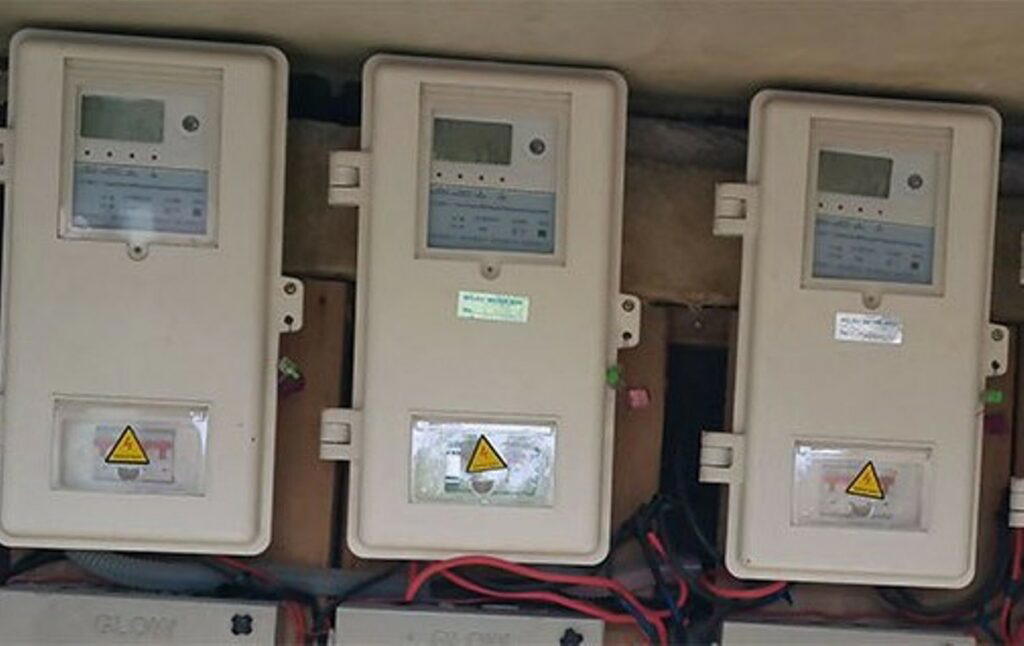
Furthermore, CAPPA strongly opposed the planned expansion of prepaid water meters, warning that this system could make water access contingent on a household's ability to pay upfront, potentially cutting off supply when credit is exhausted. The group views water as a fundamental resource for life, sanitation, and public health, questioning the ethics of a system that links essential supply to immediate payment.
Allowing a public institution to deteriorate and then presenting private control as its rescue is dishonest. It is an abdication of responsibility.
DistantNews Editorial
Originally published by Vanguard. Summarized and contextualized by our editorial team with added local perspective. Read our editorial standards.
More Stories


From Our Blog

How the Same Story Looks Different in Different Countries

What Gets Lost (and Found) When News Is Translated

The Critical Role of Diaspora Media in Global News

What Travellers Should Know About Countries with Restricted Press

A Digital Nomad's Guide to Following Local News
