

Latin America, Europe sidelined in US-China AI race, says Lula adviser
Translated from English, summarized and contextualized by DistantNews.
At a glance
News
Named sources
Context piece
- Brazil's top foreign policy adviser stated that Latin America and Europe are sidelined in the U.S.-China AI race.
- Celso Amorim described the contest as a two-power struggle over rare earths, data, and technology rules.
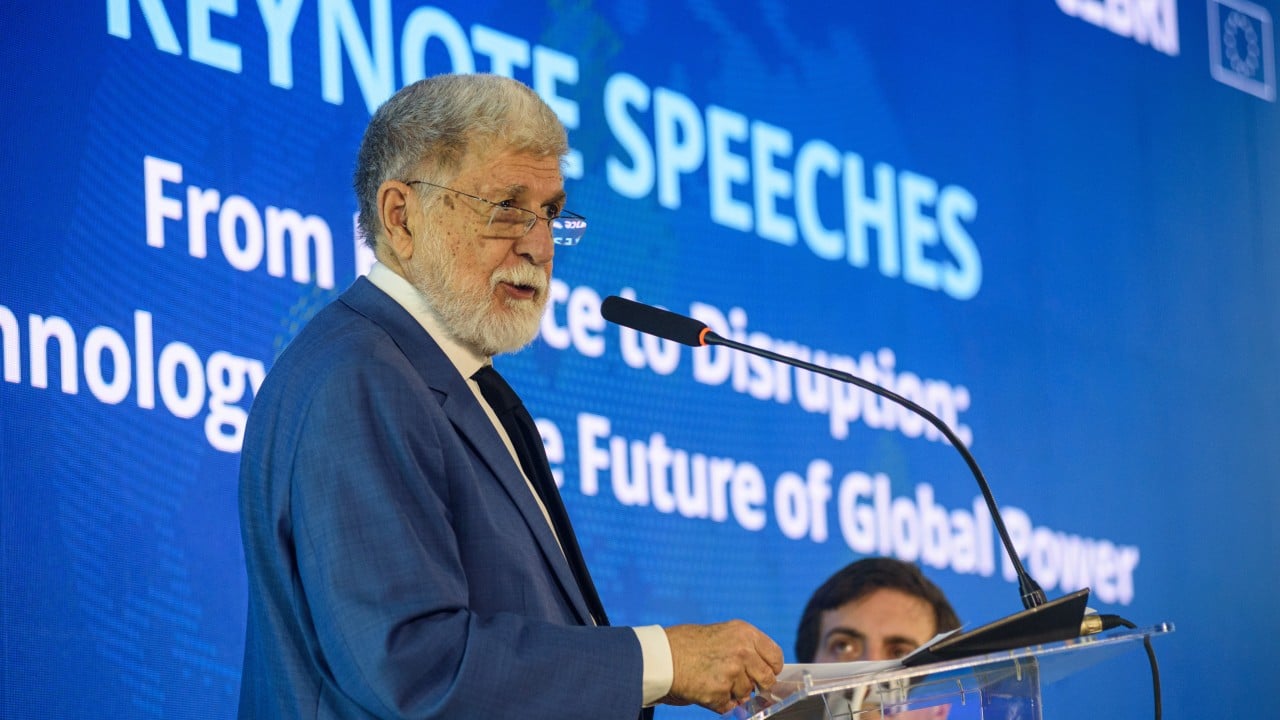
- He made these remarks at the Forte de Copacabana International Security Conference in Rio de Janeiro.
Latin America and Europe are being left behind as spectators in the intensifying artificial intelligence race between the United States and China, according to Celso Amorim, a top foreign policy adviser to Brazilian President Lula da Silva. Amorim characterized the competition as a hardened contest between two major powers, fought over critical resources like rare earths, vast amounts of data, and the very rules that will govern the burgeoning technology.
Speaking at the Forte de Copacabana International Security Conference in Rio de Janeiro, an annual forum organized by the Brazilian Centre for International Relations, Amorim elaborated on the geopolitical implications of the AI race. He argued that the strategic importance of AI development has led to a consolidation of efforts between the U.S. and China, effectively marginalizing other regions from a position of influence.
Amorim, who has previously served as Brazil's foreign and defense minister, highlighted the stakes involved, including control over the supply chains for essential components and the setting of international standards for AI. His comments suggest a concern that without greater engagement, Latin America risks becoming dependent on technologies and standards set by others, rather than shaping its own digital future.
The race for artificial intelligence has hardened into a two-power contest between the United States and China, fought over rare earths, data and the rules governing the technology, with Latin America and Europe sidelined.
DistantNews Editorial
Originally published by South China Morning Post in English. Translated, summarized, and contextualized by our editorial team with added local perspective. Read our editorial standards.
More Stories


From Our Blog

Countries Without a Free Press: What You Need to Know

What Press Freedom Means for the News You Read

What Gets Lost (and Found) When News Is Translated

The Critical Role of Diaspora Media in Global News

What Travellers Should Know About Countries with Restricted Press
