


Latvia investigates West Nile fever spread; public asked to report dead birds
Translated from Latvian, summarized and contextualized by DistantNews.
At a glance
News
Sources not specified
Context piece
- Latvia's Food and Veterinary Service (PVD) is investigating the spread of West Nile fever in wild birds and asks the public to report dead birds, especially crows, magpies, and sparrows.
- West Nile fever is a zoonotic disease transmitted by mosquitoes, with wild birds serving as the main reservoir; humans cannot contract it directly from birds.
- Citizens can report dead birds to PVD or deliver them to the BIOR laboratory for free testing under a specific project, taking safety precautions.
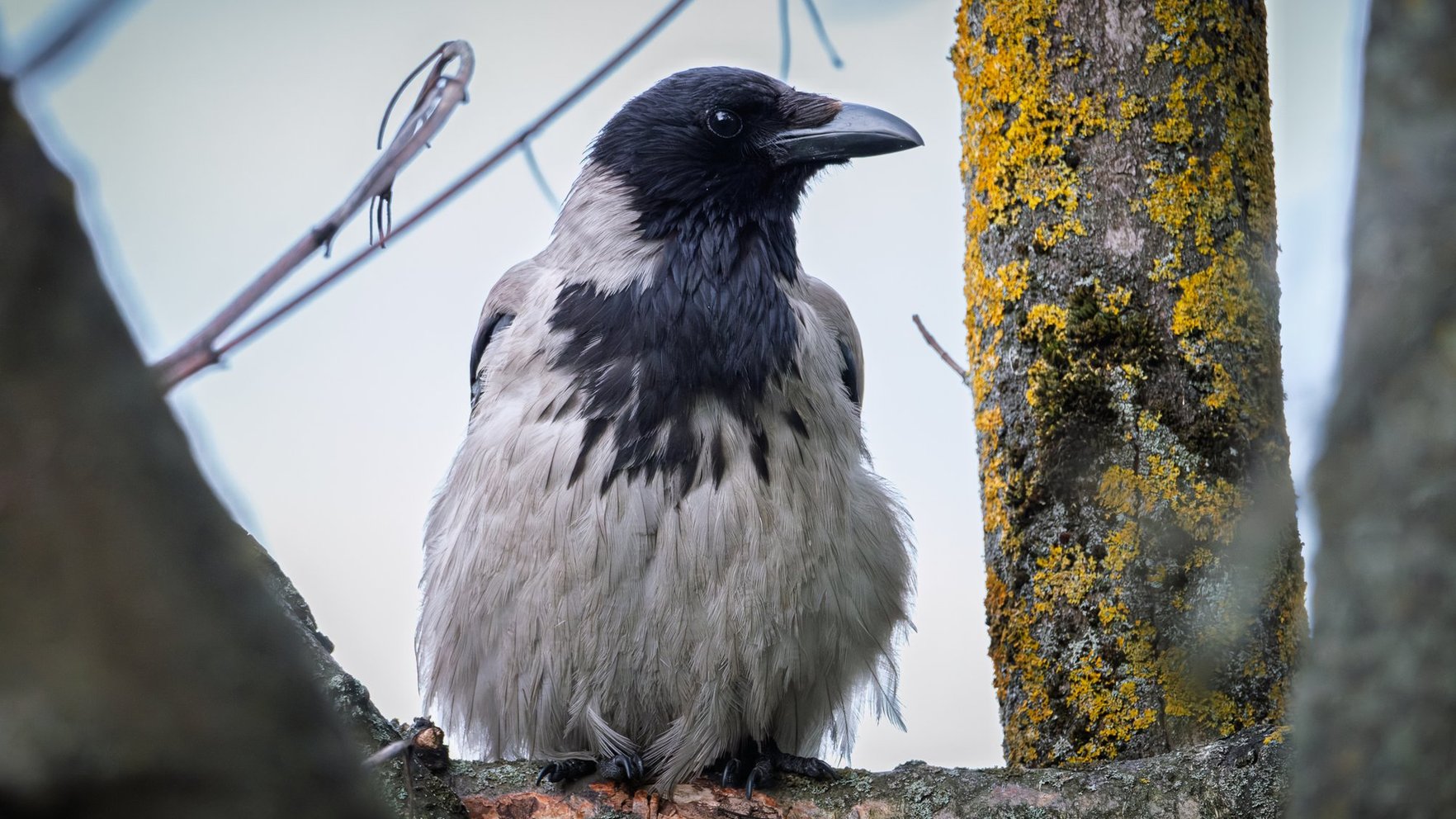
Latvia's Food and Veterinary Service (PVD) is initiating an investigation into the prevalence of West Nile fever among wild bird populations across the country. The service is urging citizens to report any findings of dead wild birds, with a particular focus on species like crows, magpies, and sparrows, which are known to be more susceptible to the virus.
To study the spread of West Nile fever in the wild bird population in Latvia, the Food and Veterinary Service (PVD) calls on residents to report dead wild birds, especially crows, magpies, and sparrows.
West Nile fever is classified as a zoonotic disease, meaning it can affect both humans and animals. The primary vectors for the virus are mosquitoes, but wild birds act as the main natural reservoir. Importantly, the PVD clarifies that humans cannot become infected with the West Nile virus directly from contact with wild birds or their carcasses. Infection in humans occurs through mosquito bites.
Residents who discover dead wild birds are encouraged to report them to their local PVD offices. Alternatively, individuals can personally deliver the bird carcasses to the laboratory of the Food Safety, Animal Health and Environmental Science Institute "BIOR." This delivery is part of the "OH4S" project and will result in free laboratory testing for West Nile fever. Those choosing this option must exercise caution, using disposable gloves when handling the carcass and placing it in two waterproof plastic bags.
West Nile fever is a zoonosis – an infectious disease that can affect both humans and animals. The most important transmitters of the West Nile fever virus are mosquitoes, but the main reservoir of the virus in nature is wild birds (especially birds of the crow and sparrow families). Humans cannot become infected with the West Nile fever virus from wild birds or their carcasses. Humans can be infected with the West Nile fever virus by mosquitoes when they suck blood.
The PVD noted that West Nile fever was detected for the first time in Latvia in the autumn of 2024, identified in a deceased goshawk. The ongoing investigation is supported by the European Union-funded project "One Health 4 Surveillance." In 2025, wild birds found dead or showing clinical signs of the fever, as well as horses with characteristic symptoms and mosquito pools, were tested, but West Nile fever was not detected.
Regarding found dead wild birds, the PVD calls for reporting to PVD administrations. Residents can also deliver the found bird carcass themselves to the laboratory of the Food Safety, Animal Health and Environmental Science Institute "BIOR" ('BIOR'), indicating that it is submitted for free laboratory examination for West Nile fever within the framework of the 'OH4S' project.
DistantNews Editorial
Originally published by Delfi Latvia in Latvian. Translated, summarized, and contextualized by our editorial team with added local perspective. Read our editorial standards.
More Stories



From Our Blog

What Gets Lost (and Found) When News Is Translated

The Critical Role of Diaspora Media in Global News

What Travellers Should Know About Countries with Restricted Press

A Digital Nomad's Guide to Following Local News

How the Same Story Looks Different in Different Countries
