

Latvian Rural Doctors Consider Partial Sick Leave Proposal
Translated from Latvian, summarized and contextualized by DistantNews.
At a glance
News
Named sources
Context piece
- Latvia's Rural Family Doctors Association president Ainis Dzalbs supports discussing the introduction of partial sick leave.
- Partial sick leave would allow individuals to gradually return to work during recovery, potentially aiding socialization and skill retention.
- Implementing such a system would require further research into international experiences, organizational aspects, benefits, and risks, alongside state support.
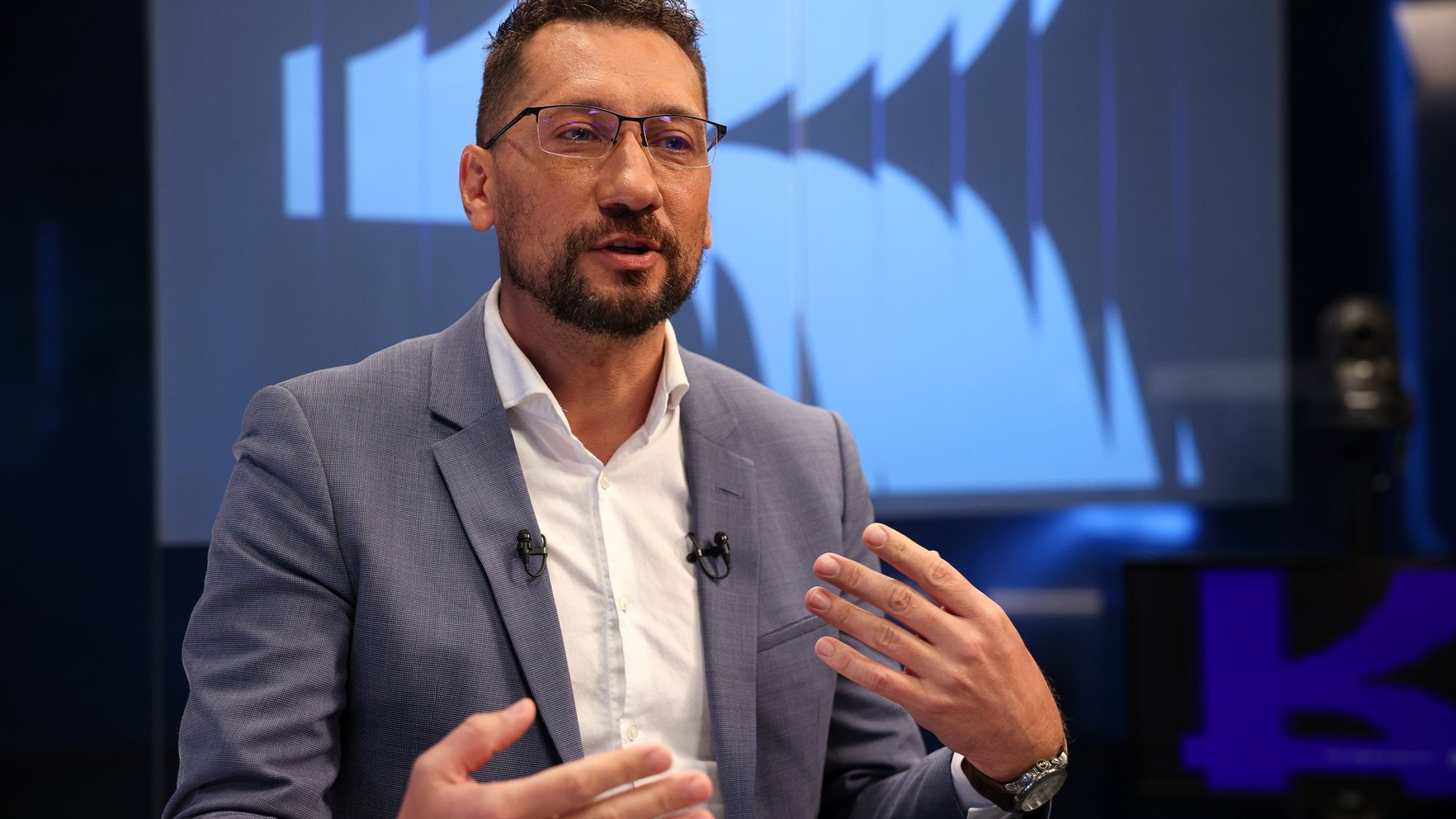
Latvia's Rural Family Doctors Association president Ainis Dzalbs has indicated that a discussion on introducing partial sick leave in Latvia is worth considering. This concept, previously raised by Alise Nicmane-Aišpure, head of the Latvian Family Doctors Association, would permit individuals to gradually resume work while continuing their recovery.
In certain cases, a patient's health status, job duties, employer support, and possibilities can be adapted to ensure an earlier and individualized return to the labor market.
Dzalbs believes that in certain cases, a patient's health status, job duties, and employer support could be adapted to facilitate an earlier, individualized return to the workforce. He noted that countries like Germany and Scandinavian nations already practice this. Typically, patients in the recovery or rehabilitation phase, as their health improves, are given the opportunity to gradually return to work in a modified capacity.
Early partial return to the labor market would promote socialization, reduce the risks of depression and isolation, and foster the preservation of skills and abilities.
This approach could benefit patients recovering from musculoskeletal issues, those post-oncological treatment, or individuals rehabilitating from cerebrovascular incidents. Dzalbs suggests that an early, partial return to work could boost socialization, reduce risks of depression and isolation, and help maintain skills. It might also offer time for additional education or qualification courses related to their job.
To consider such a possibility, it would be necessary to further investigate the experience of other countries, the organizational side, the benefits, and the risks.
However, Dzalbs stressed the need for thorough research into other countries' experiences, organizational challenges, and potential risks and benefits. He also emphasized the crucial role of state support and understanding to prevent the system from becoming overly bureaucratic and impractical. The Latvian Employers' Confederation has raised concerns about work planning, replacing partially incapacitated employees, and timekeeping.
State support and understanding would also be crucial, without turning this option into a bureaucratically cumbersome and unfeasible option.
DistantNews Editorial
Originally published by Delfi Latvia in Latvian. Translated, summarized, and contextualized by our editorial team with added local perspective. Read our editorial standards.
More Stories

From Our Blog

What Gets Lost (and Found) When News Is Translated

The Critical Role of Diaspora Media in Global News

What Travellers Should Know About Countries with Restricted Press

A Digital Nomad's Guide to Following Local News

How the Same Story Looks Different in Different Countries
